
Last updated November 22, 2026
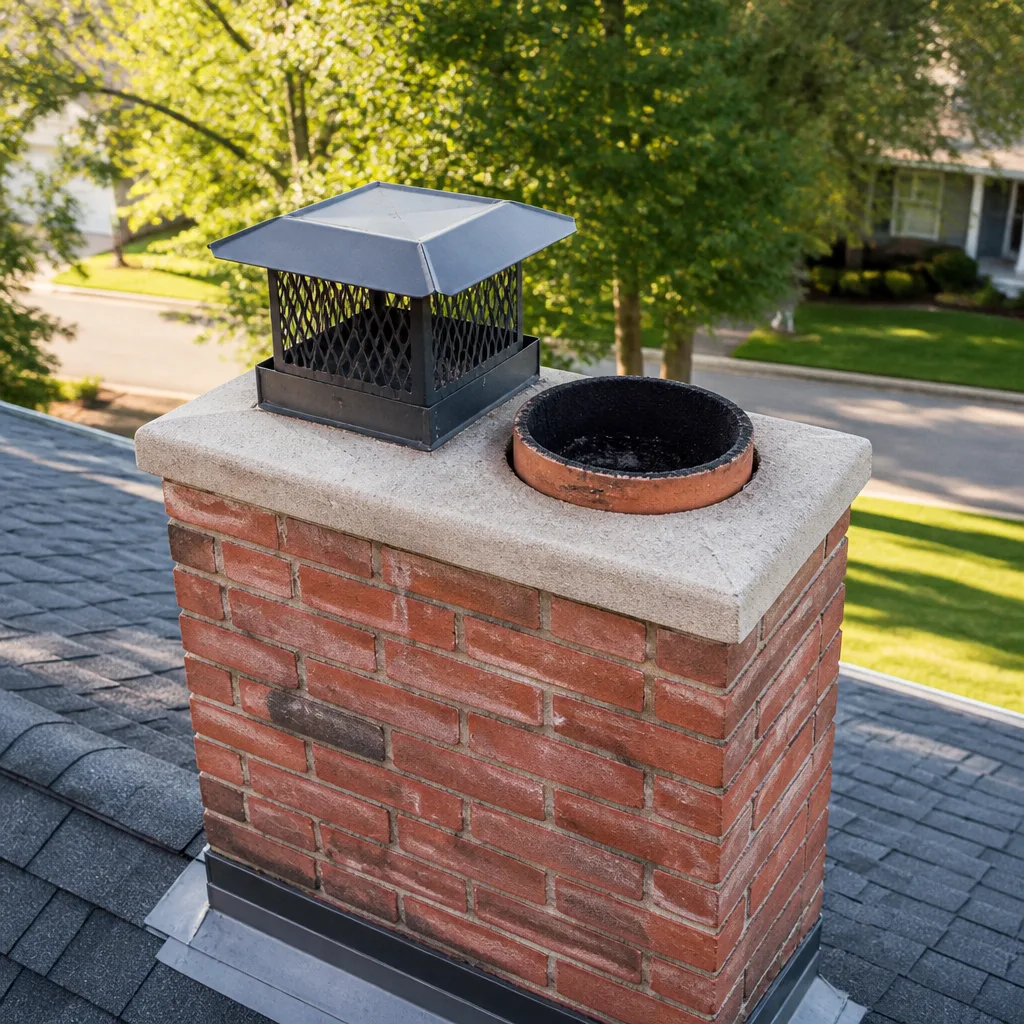 Sweep & inspection
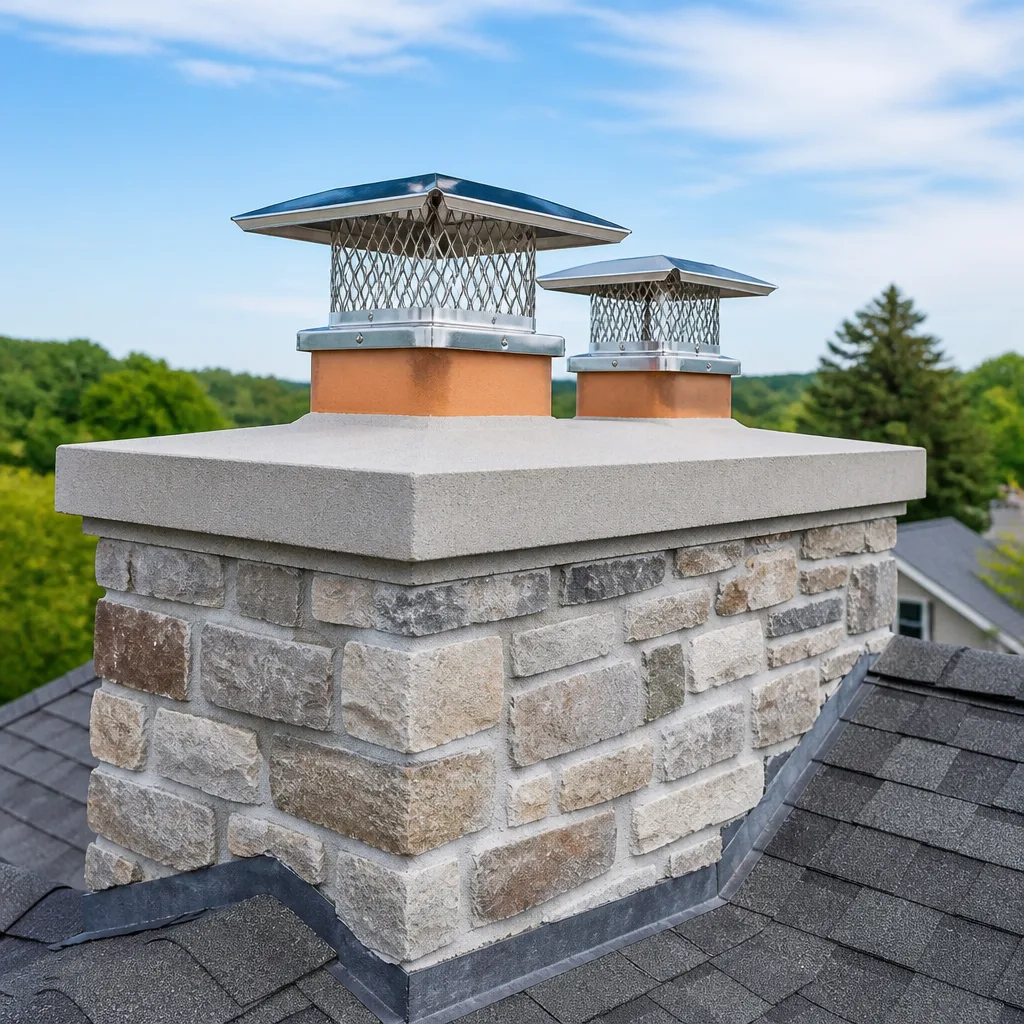 Caps & crowns
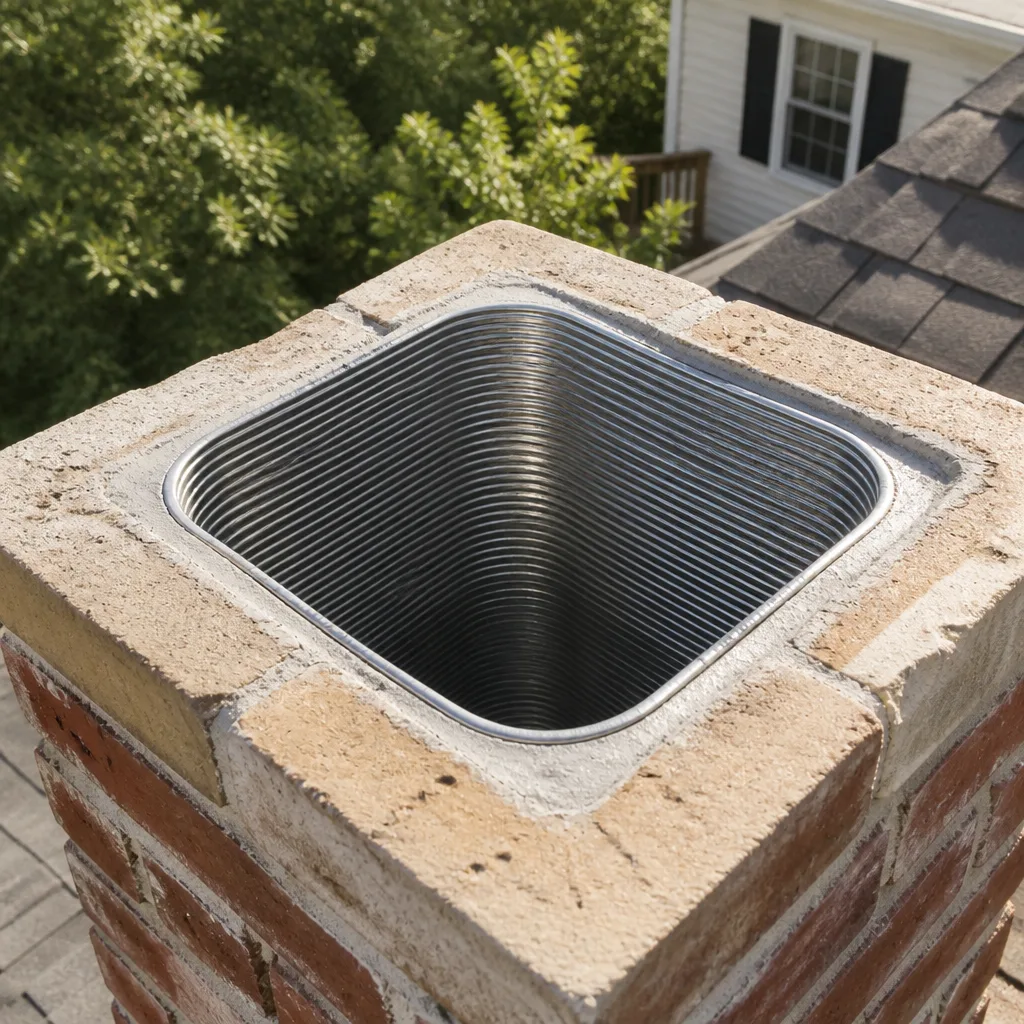 Flue relining
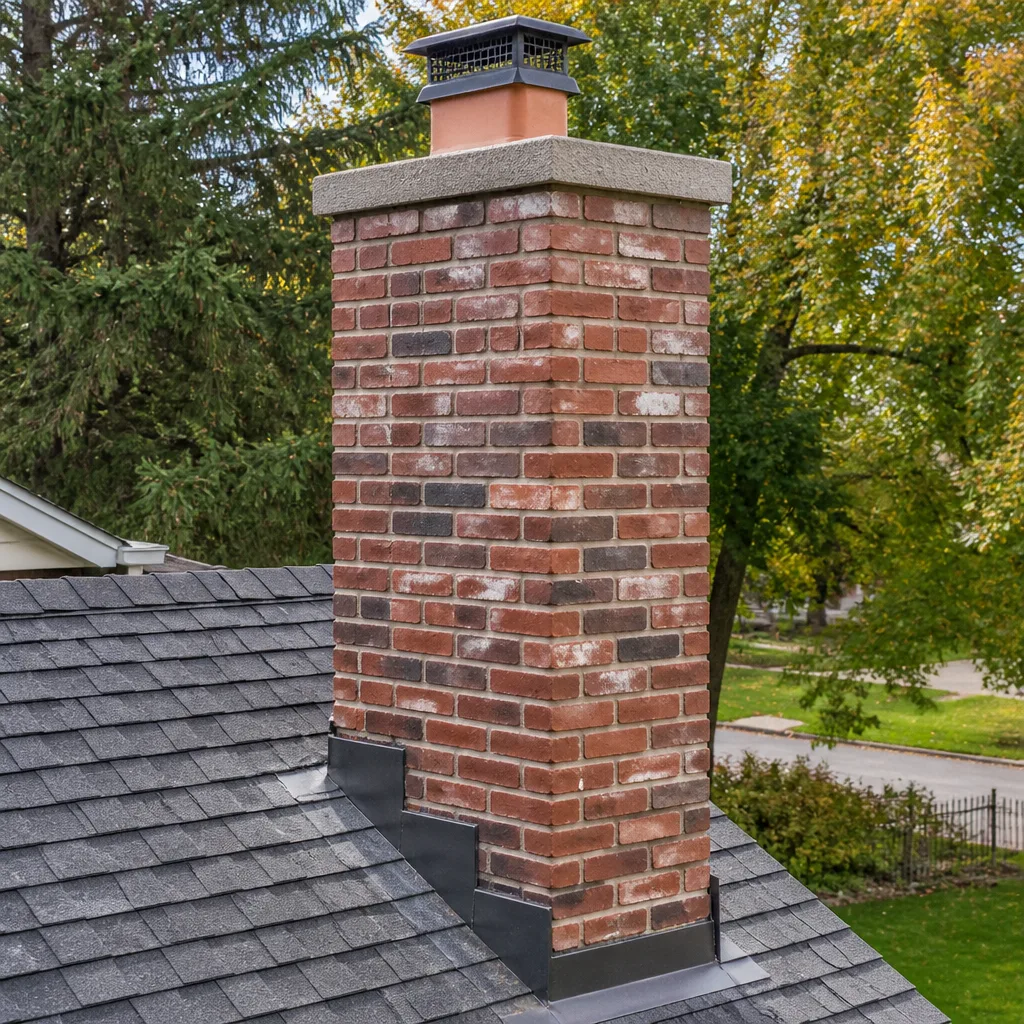 Masonry repair
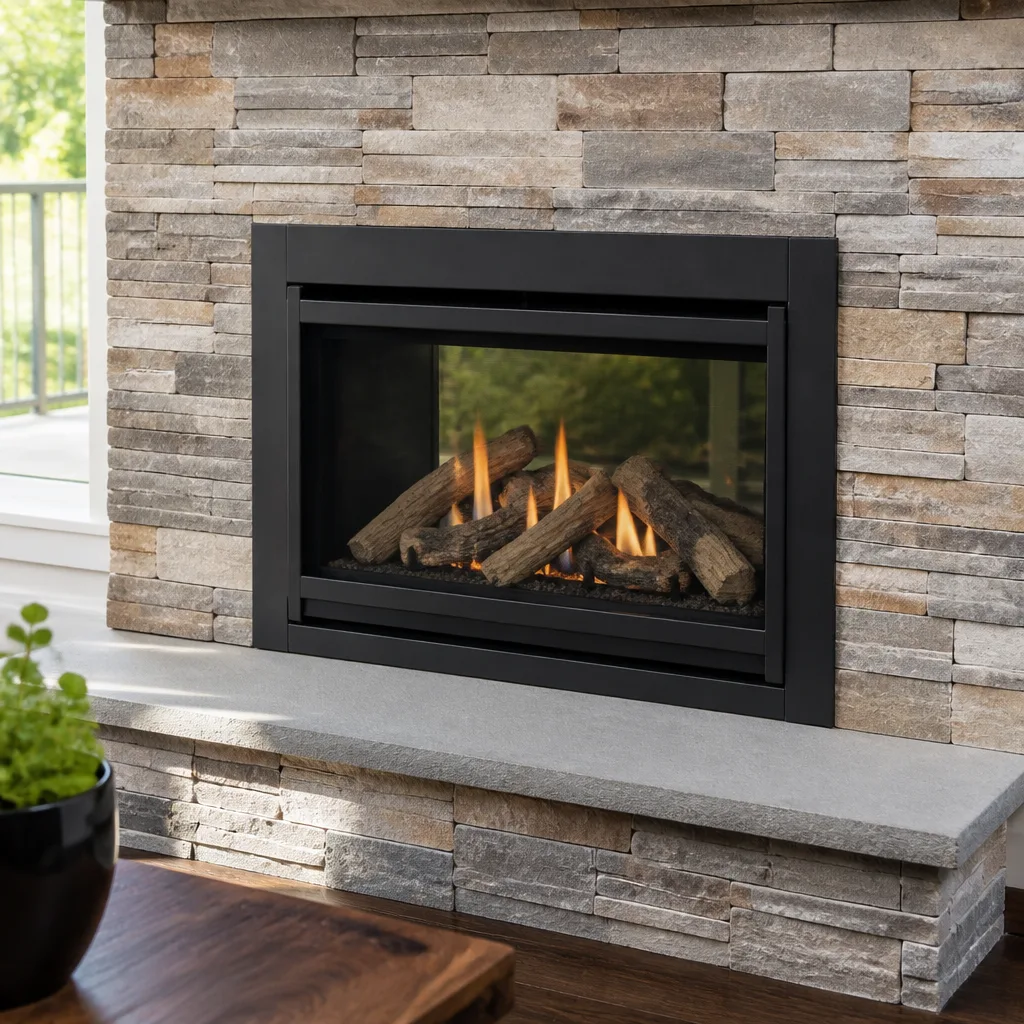 Gas fireplace service
Level 1 sweep and inspection to the NFPA 211 annual standard - flue, crown, cap, and flashing checked and photographed
Chimney sweep logs do not sweep chimneys. They loosen some creosote - which then falls where a brush and vacuum still have to collect it.
Chimney Sweep Maintenance Checklist for Venice Homeowners
The standard “sweep once a year” advice was written for Midwest homeowners burning fifty fires a season. If you’re in Venice firing up six times between Thanksgiving and February, your maintenance calendar needs a completely different structure. Venice chimneys don’t fail from heavy creosote loads. They fail from long idle stretches, moisture working at the masonry, and the small problems nobody notices because the fireplace sat cold for nine months. This guide gives you a month-by-month framework built around how Venice homes actually use their chimneys, with the visual checks you can do yourself, the materials worth keeping on hand, and the documentation that protects you when you sell.
Quick Answer
A Venice homeowner should follow a two-season maintenance rhythm: a pre-season visual check and professional sweep in September or October before the first fire, a post-season inspection and moisture assessment in March or April after the last one, and simple monthly exterior checks (mortar joints, cap screen, chase cover) during the long idle months in between. Most Venice chimneys need a professional sweep once a year, but the work that actually protects your home happens in the checklist between those visits.
Styles & brands we work with
- Sweep & inspection
- Caps & crowns
- Flue relining
- Masonry repair
- Gas fireplace service
Table of Contents
- Why Venice Chimneys Age Differently
- Pre-Season Checklist: September and October
- Post-Season Checklist: March and April
- Off-Season Monthly Checks
- What to Keep on Hand vs. What to Leave to Professionals
- Your Documentation Log Template
- Common Mistakes to Avoid
- When to Call a Professional
Why Venice Chimneys Age Differently
Venice has a mild climate with a distinctly dry, warm stretch through most of the year. That’s good news for your roof and your foundation, and it changes the way chimneys wear. Since we focus on chimney work in this area, we see the pattern constantly: the damage that matters here is what happens during the months your fireplace sits completely idle.
Two forces dominate. The first is moisture intrusion from the top down. A cracked crown, a failed cap, a missing screen, or deteriorated mortar joints around the chimney stack gives the occasional winter rain and the long dry season a way in. Water gets into the masonry, the flue, and eventually the chimney chase. Because this climate doesn’t deliver a hard freeze that would reveal the crack, the damage goes unnoticed until it’s structural.
The second is the “infrequent but intense” usage pattern. A Venice homeowner might run six to twelve fires per season, and those fires tend to be concentrated on a few cool nights. Short, hot fires on a cold chimney produce less creosote than week after week of slow smoldering fires, but they still need a clean flue. Creosote is still depositing on the walls. Even a modest creosote layer becomes a fire risk once it’s ignited by a hot spark or a long fire.
The bottom line: your maintenance calendar for a Venice chimney should be split into three parts, not one. Pre-season planning, post-season assessment, and monthly monitoring through the long idle stretch. That split is the foundation of everything else in this guide.
Pre-Season Checklist: September and October
The pre-season window is your best chance to catch issues while the calendar still gives you time to schedule work. Here’s the sequence we recommend for Venice homeowners before the first fire of the season.
- Do a firebox visual check. Look inside the firebox for cracked firebrick, crumbling mortar joints between bricks, or loose material. A hairline crack in a firebrick can let heat into the brick behind it, which is a real safety problem. Don’t run a fire until it’s been evaluated.
- Open and close the damper. The damper should move freely. If it sticks, doesn’t close flush, or opens only partway, it needs attention before you build a fire. A damper that won’t seal wastes heat up the flue on every fire.
- Look at the exterior crown from the ground. Use binoculars or a phone zoom. The crown is the concrete cap that sits on top of the chimney stack. Hairline cracks are common and can be repaired. Chunks missing, or visible separation between crown and flue, is a schedule-the-repair item.
- Check the chimney cap and screen. The cap keeps rain and debris out and the screen keeps birds out. A damaged screen, or a cap that’s come loose in a wind event, is a common Venice issue and one of the first things we look at in any Chimney Sweep Venice walkthrough.
- Inspect visible mortar joints on the stack. From the ground, look for missing mortar, powdery joints, or bricks that are spalling (flaking off in layers).
- Book your chimney sweep. September and October are the busiest weeks of the year for chimney work, and scheduling ahead is the difference between getting swept before the first fire and starting the season with an unverified flue.
The pre-season checklist is quick. Maybe thirty minutes of your own time plus the sweep appointment. The details in the next sections cover what each item actually means and where the line between DIY and professional work sits.
Post-Season Checklist: March and April
Here’s where most chimney maintenance advice gets Venice wrong. The standard advice is “get swept in the fall.” But the checklist that actually protects a Venice chimney happens in the spring, after the season ends and before the long dry months begin.
Why spring and not fall? Because the winter is when the moisture gets in and the season is when the flue does its work. If you wait until fall to look, you’re discovering last winter’s damage one year later, with twelve more months of exposure underneath it. A spring inspection catches the whole season’s wear while it’s still fresh, and gives you the summer to schedule repairs before next fall.
The spring checklist covers:
- Moisture assessment. Look for damp patches, efflorescence (the white powdery staining that shows moisture has moved through masonry), or dark streaks on the chimney stack, the chase cover, or the ceiling around the chimney inside the house.
- Post-season sweep. Creosote has been sitting in the flue since the last fire. Getting it swept in spring clears the flue before the idle season, when a stray spark or a hot day combined with roof work nearby is the only ignition risk you’ll face.
- Full inspection by a professional. A post-season inspection checks the flue, damper, firebox, crown, cap, and joints with a camera and a trained eye. This is also your chance to get the paper trail from the last season documented (more on that below).
- Mortar and brick condition. Look for any joint that’s widened, any brick that’s loosened. The winter moisture and the seasonal temperature shift are what do this work, and it’s easiest to catch in spring.
- Check the screen for nesting debris. Birds and other animals often leave nesting material in the flue or cap screen over the winter, especially if the cap screen has any gap. A spring check clears it.
- Documentation update. Log the sweep date, inspection findings, photos, and any recommendations before you file the paperwork away.
The spring assessment is also the natural time to schedule a fireplace repair, since the fireplace won’t be in use and there’s no rush on the calendar. Catching a damper issue or firebrick crack in April gives you a comfortable margin before the next season.
Off-Season Monthly Checks
Your chimney sits idle for most of the year in Venice. That’s exactly when the small problems happen. Give the exterior five minutes on the first weekend of each month and you’ll catch the majority of issues before they become expensive.
What to check each month, from the ground:
- Mortar joints. Look for new missing mortar, powdery or crumbling joints, or joints that have visibly widened since last month. Photograph anything that’s changed.
- Cap screen. A screen that’s bent, missing a section, or has come detached means an open invitation for birds, debris, and water. This is one of the most common issues we see in Venice, and it’s easy to fix if it’s caught early.
- Chimney cap. The cap should sit flush and level. Look for a cap that’s shifted, tilted, or rusted at the seams.
- Chase cover. If your home has a chase cover (the metal cover over a framed chimney chase), check for rust-through, dents, or separation at the seams. A leaky chase cover is a top cause of interior water damage around the chimney.
- Crown. Any new cracks or spalling material on top of the crown.
- Interior signs. A quick look at the ceiling and walls around the chimney inside the house. Staining, dampness, or a musty smell is a sign the chimney is letting water in.
- Ground-level details. Anything that’s changed at the base of the chimney, like a loosening of the flashing where chimney meets roof, which is visible from the ground with a little patience.
Not every monthly check will turn up something. Most won’t. The value is in the months when it does.
What to Keep on Hand vs. What to Leave to Professionals
There’s a real split between the maintenance tasks you can do safely and the work that belongs to a professional. Getting this line right protects both your home and your wallet.
Keep on hand for homeowner-level work
- Crown sealant. A flexible masonry-rated sealant designed for exterior chimney crowns. It’s useful for sealing hairline cracks in the crown during the off-season before they widen. It is not a substitute for a crown repair when the crown has failed structurally.
- A correctly sized chimney cap. If your existing cap is standard size and the crown and flue are in good condition, replacing a damaged cap is a reasonable homeowner task. Measure the outside dimensions of the flue and the crown opening before ordering. A cap that doesn’t seat properly is worse than no cap.
- A draft-stop balloon. A draft-stop balloon (sometimes called a flue blocker) is a simple inflatable insert that seals the flue during the off-season so the air conditioning doesn’t draft up the chimney and the chimney doesn’t pull in outside air. It’s a genuine energy saver in a climate where the AC runs most of the year. It must be removed before the first fire of the season and it should not be used in a chimney with an active gas appliance.
- A flashlight and a phone. For the firebox, damper, and exterior checks. Photos are your documentation, and the flashlight is how you actually see the joints.
- A small notebook or a photo app. Your chimney documentation log, covered below.
Leave to a professional
- Chimney sweeping. A proper sweep with professional brushes and a vacuum, and a camera inspection of the flue. This isn’t a homeowner task. A poorly done sweep can damage the flue.
- Anything involving high-tension springs, cables, or the roof surface. If the work requires standing on the roof near the chimney stack, get a professional who is trained and equipped for it.
- Liner replacement or relining. A failed flue liner is not a homeowner repair. Relining is where materials matter most, which is why we standardize on DuraFlex liner systems for flexible relining: it’s the industry-standard solution and it’s what the trade actually uses.
- HeatShield ceramic resurfacing. HeatShield is a ceramic resurfacing method for damaged flue liners. It’s a real cost-saver over full replacement in the right situations, and it requires qualified application. Our team at Chimney Sweep Venice is HeatShield-qualified, and we use it when the assessment shows it’s appropriate. Ceramic resurfacing with HeatShield can restore your flue without the cost of a full liner replacement, but it’s not the right call for every flue.
- Crown repair and cap fabrication. A chimney cap & crown repair is the single most effective preventive work you can do on a Venice chimney, but it’s a structural repair. The right materials (not hardware-store caulk) and the right installation matter.
- Masonry repair and joint repointing. Tuckpointing is a skill task with specific mortar mixes and technique. A homeowner repair at this level usually makes the problem worse.
- Gas line or appliance work around the chimney. Anything involving the gas connection for a gas fireplace belongs to a trained professional.
The general rule: if the work happens at the firebox, the damper handle, or the visible exterior from the ground, it’s homeowner work. If it happens inside the flue, on the roof, or involves masonry materials being replaced, it belongs to a professional.
Your Documentation Log Template
A chimney documentation log sounds like busywork until you need it. It’s genuinely valuable for two situations: an insurance claim after a chimney fire, a water intrusion, or a carbon monoxide scare, and a home sale inspection where the buyer’s inspector wants to see maintenance history. A simple log turns “I think it was swept a couple of years ago” into a verifiable record.
After every professional visit (sweep, inspection, repair, cap installation, crown work), record the following:
- Date of service.
- Service type. Sweep, inspection, cap, crown, fireplace repair, chimney repair, liner work.
- Company name and contact.
- Technician finding. The condition reported by the technician. Include the exact wording for anything that sounded like a recommendation.
- Photos. If the technician provided photos (camera images of the flue, exterior shots, the crown, the cap), save them in one folder alongside the log entry. A camera inspection should document what was found. If the recommendation isn’t backed by photos, ask.
- Work performed. What was done, and what was recommended but deferred.
- Materials used. Note the product line when it’s a parts repair. Our team uses recognized industry-grade brands like Copperfield and DuraFlex for liner and cap work, and knowing what’s in your chimney helps if a warranty question ever comes up.
- Next recommended service date.
- Invoice. Save it with the entry.
Keep the log in a cloud folder or a binder dedicated to the house. When you sell, it’s a document that shows the buyer the chimney has been maintained and documented. When you have an insurance claim, it’s the difference between “no evidence of maintenance” and a clean record.
Common Mistakes to Avoid
- Only getting swept in the fall. Fall sweeps are the industry default because the industry grew up in cold climates with heavy winter burning. In Venice, the moisture damage and envelope failures happen during the idle season. The spring assessment is at least as important as the fall sweep, and skipping it means the damage from one winter gets a second winter to grow.
- Skipping the professional inspection because the sweep “looked fine.” A sweep removes creosote. An inspection is what evaluates the flue, damper, firebox, crown, cap, and joints. They’re different services, and we offer a standalone inspection at chimney sweep visits precisely because a homeowner shouldn’t have to commit to any repair to get an assessment.
- Using the wrong sealant on the crown. The crown is a concrete surface exposed to sun, heat, and moisture. A tube of general-purpose caulk from the hardware store is not a chimney-grade material. It fails within a season and takes the surface under it with it. Use a masonry-rated crown sealant designed for exterior chimney work.
- Replacing a cap without measuring the flue. A cap that’s the wrong size lets rain in around the seam or blocks the draft. Measure the flue and the crown opening before ordering, and don’t install a cap on a flue with damage underneath it. The point of the cap is to protect what’s under it, which means the surface needs to be sound first.
- Using a flue balloon as a permanent fix. A draft-stop balloon is a seasonal insert for the idle months. It comes out before the first fire, and it never goes in a chimney with an active gas appliance. Treating it as a permanent seal is dangerous.
- Ignoring the chase cover because it’s not “the chimney.” The chase cover over a framed chimney is a common water entry point in Venice homes. Rust-through, seam separation, and loose fasteners are all common after years of exposure.
- Not documenting inspections. A chimney that hasn’t been inspected has nothing on file. Two years from now when you’re asking whether the recommended repair was ever actually necessary, the photos and log entries are the evidence.
When to Call a Professional
Some chimney work needs a specialist, and some can wait until your next scheduled visit. Call a professional immediately if you smell gas, notice soot on the walls near the fireplace, see flames or sparks coming from the chimney top, or suspect carbon monoxide in the house (headaches, nausea, dizziness, or the alarm going off). Get everyone out and call from outside.
Schedule a professional visit for: a cracked or missing crown, missing or damaged cap or screen, cracked firebrick, a damper that won’t close, dampness or efflorescence on the chimney or ceiling, loose or missing mortar joints, and any winter flushing you couldn’t verify. Also call if it’s been more than a season since the last sweep, or if you bought the house recently.
Chimney Sweep Venice offers free estimates in Venice. Our team works with the trade-grade materials the industry actually uses, including DuraFlex liners, HeatShield ceramic resurfacing, Gelco products, and Copperfield chimney parts. From annual sweep to full chimney repair, one specialist, complete care. Call (833) 725-4278. We answer 24/7. Fast dispatch from 7am to 7pm, Sunday through Friday.
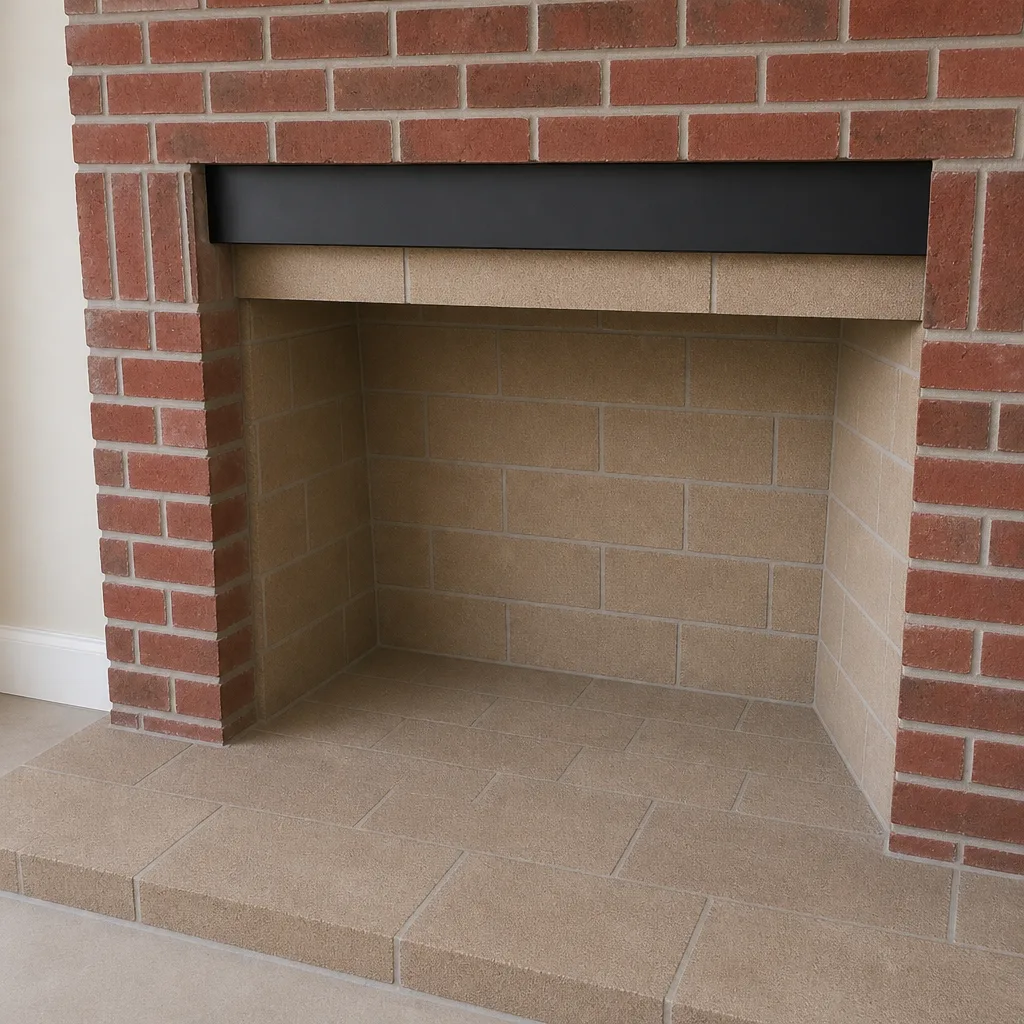
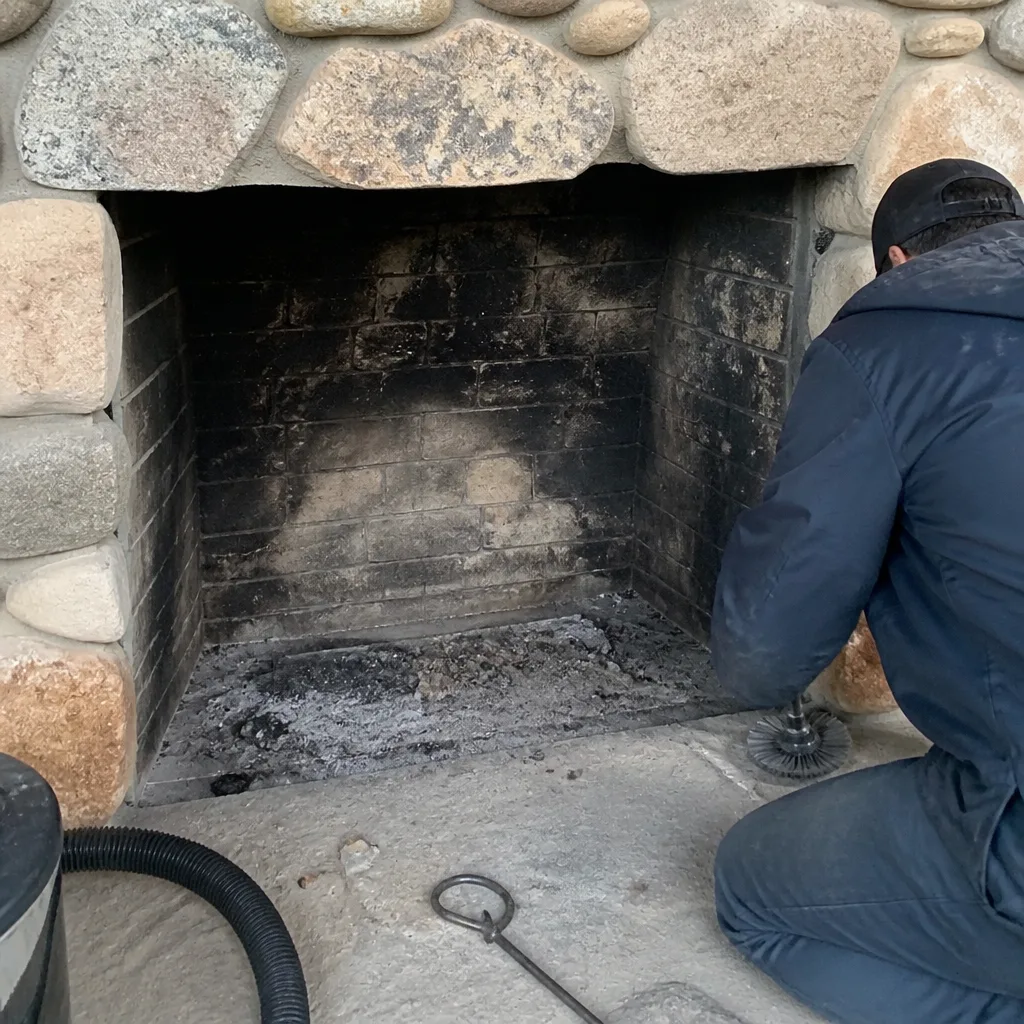
See the difference
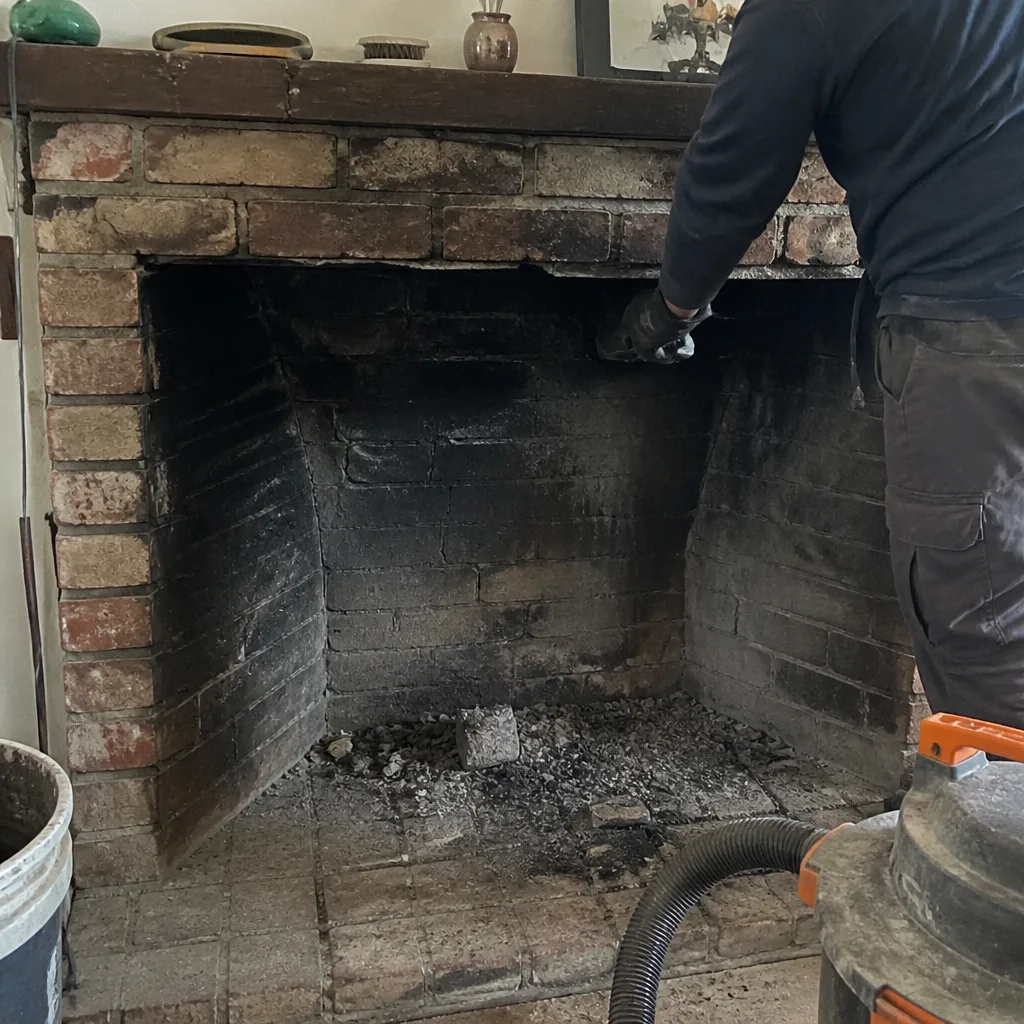 Before
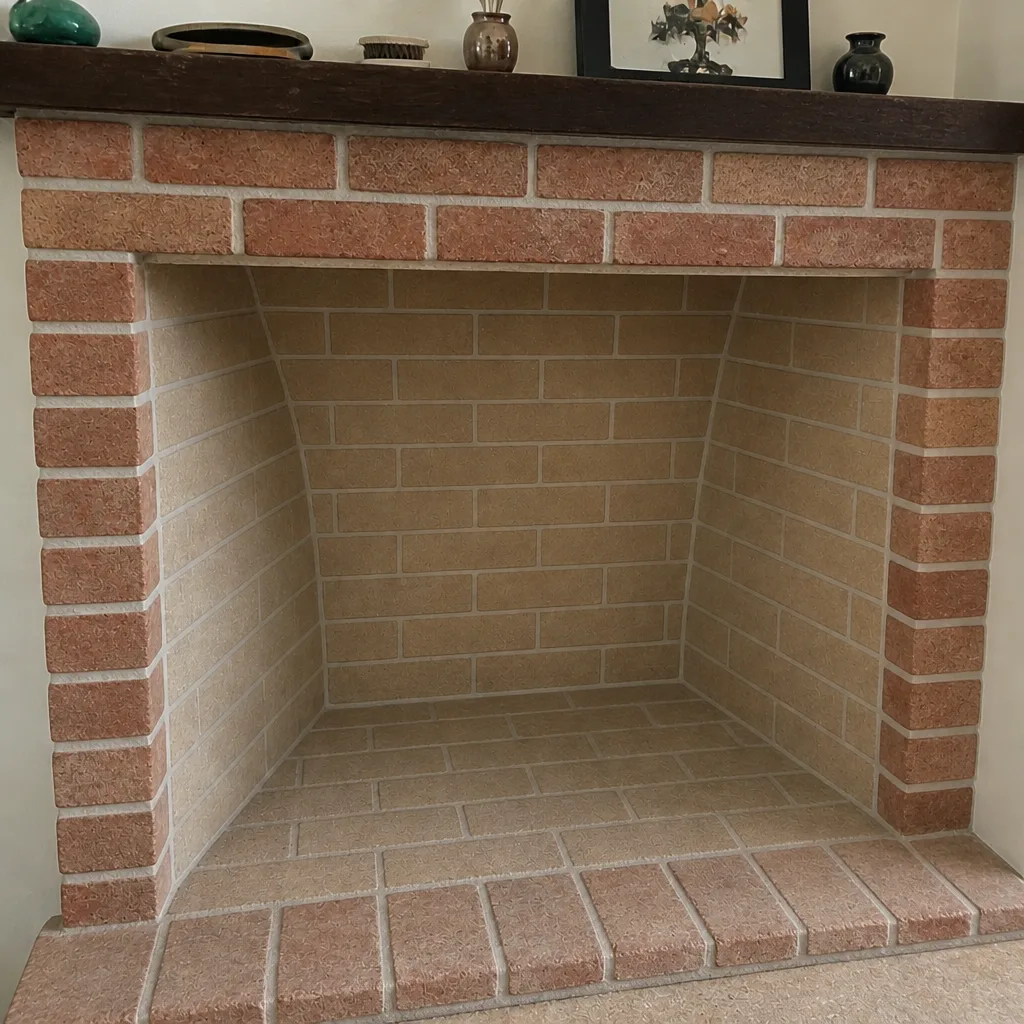 After
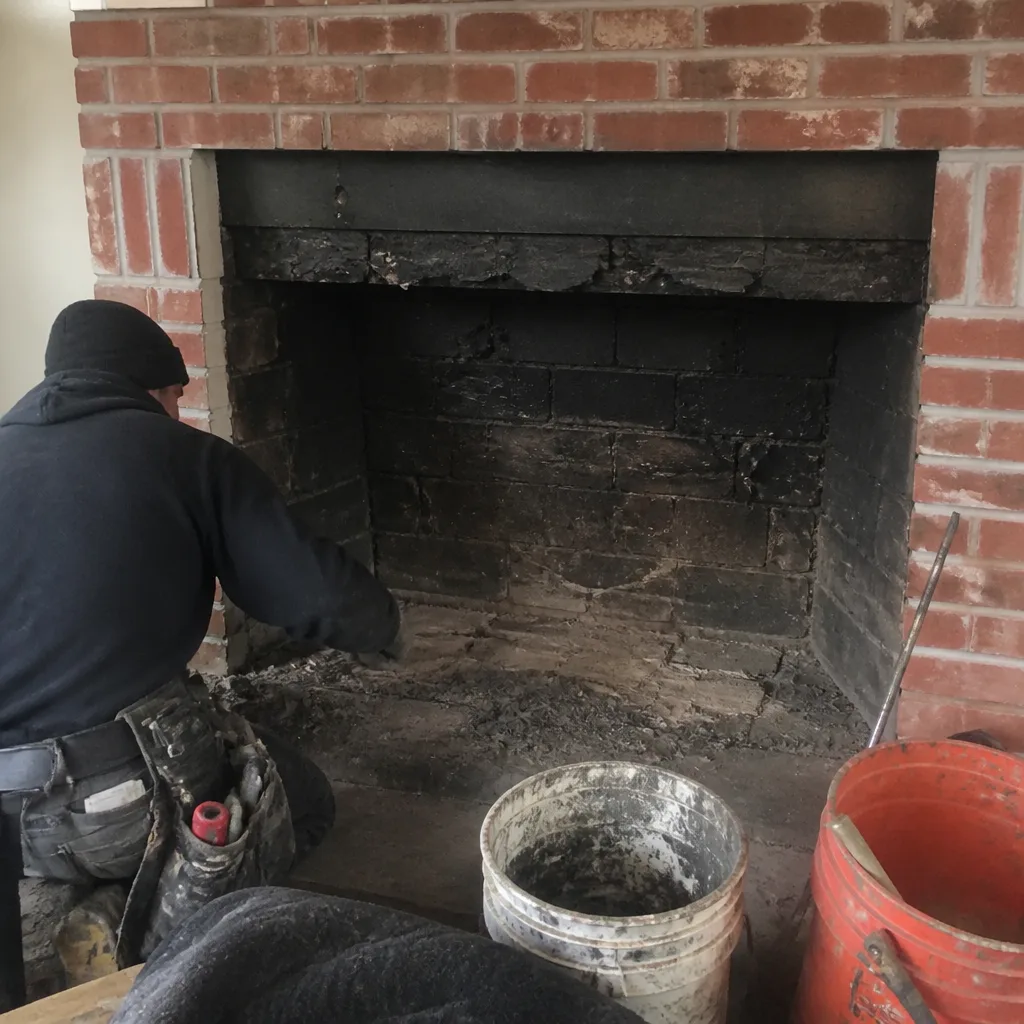 Before
 After
 Before
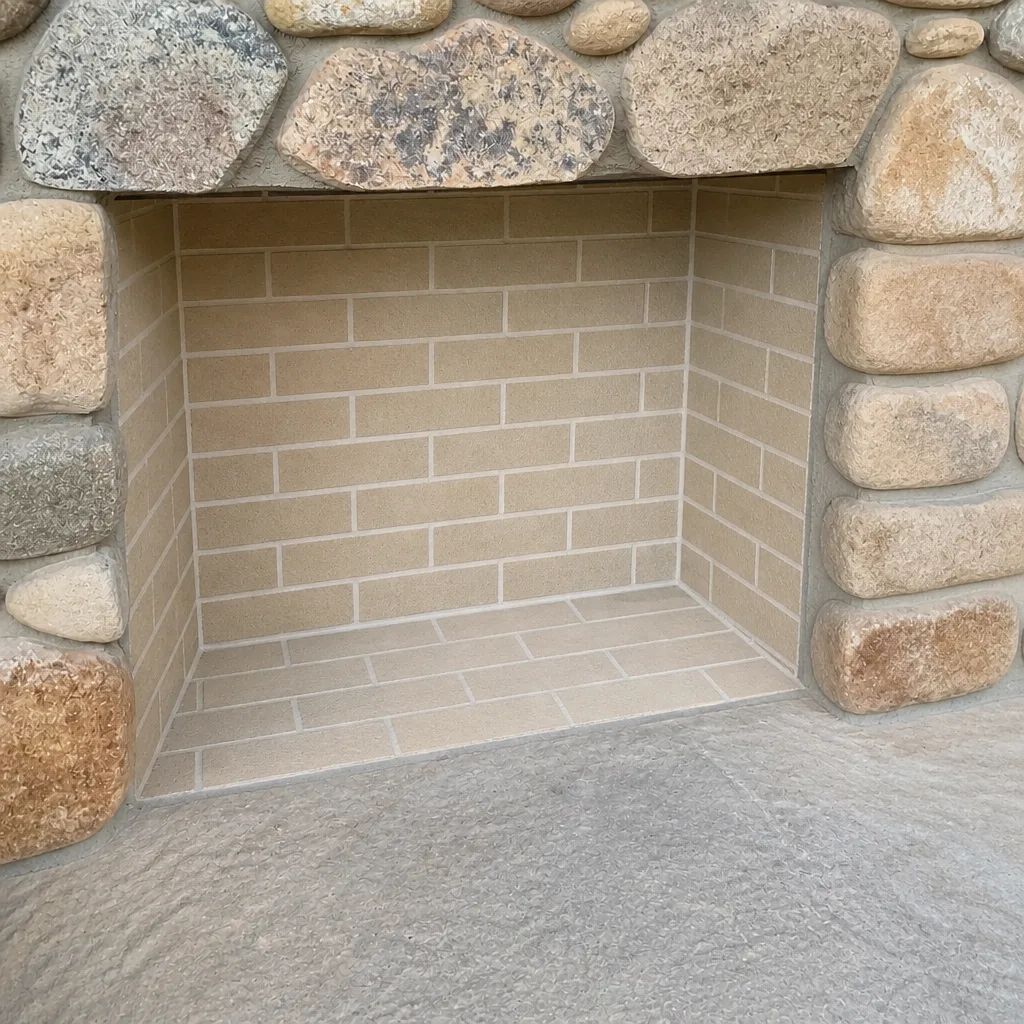 After
Frequently Asked Questions
Once a year is the standard for a wood-burning fireplace, even with light usage, because the creosote layer builds regardless of how many fires you burn. If you’re burning a few fires per season in Venice, an annual professional sweep plus a spring inspection is the right rhythm. Call (833) 725-4278 for an exact quote. Estimates are free.
Because the damage happens between visits, not during the fire. Venice’s idle months are when moisture works at the crown, cap screen, chase cover, and mortar joints. A spring inspection catches last season’s wear while the summer gives you time to schedule any repair. Waiting until fall means a full year of no assessment on the same chimney.
A sweep removes creosote, soot, and debris from the flue. An inspection evaluates the entire chimney: flue liner, damper, firebox, crown, cap, chase cover, and masonry joints, usually with a camera. You can book an inspection without a sweep, and we offer it as a standalone service because safety-first should not mean a repair upsell. Call (833) 725-4278 for a free estimate.
A correctly sized cap on a sound crown is within reach for a confident homeowner with a safe ladder position. Measure the flue opening carefully, don’t install over a damaged crown or loose cap screen, and don’t get on the roof if you’re not confident. For anything involving the roof or masonry repair, use a professional. From a chimney cap & crown standpoint, the cap is only as good as the crown it sits on.
Gas fireplaces need an annual inspection and cleaning of the vent and flue too, even though there’s no creosote. The vent system can clog with dust and debris, the glass and logs need attention, and carbon monoxide safety is still a question. Don’t use a draft-stop balloon in a chimney with an active gas appliance. Call (833) 725-4278 to schedule a gas fireplace inspection. Estimates are free.
Find the entry point first: crown, cap, chase cover, or flashing where the chimney meets the roof. A crown crack can be sealed in the short term with a masonry-rated sealant, but if the crown has failed or the chase cover has rusted through, it’s a repair. Untreated water intrusion in Venice’s mild climate often shows up as efflorescence or interior staining before it shows up as a leak. Book an inspection to confirm the source before you start sealing. Call (833) 725-4278.
The Bottom Line
The maintenance calendar that matters in Venice isn’t the one you read in a Midwest homeowner guide. It’s a three-part rhythm: pre-season checks and a professional sweep in September or October, a post-season moisture assessment and inspection in March or April, and monthly five-minute exterior checks through the long idle months. Keep a documentation log after every professional visit. Stay on the homeowner side of the DIY/pro work line. And when you’re not sure what you’re looking at, get an inspection before you commit to any repair. A chimney inspection is the first step, not a sales pitch. Our technicians have up to 13 years of experience, and we use the trade-grade products the industry actually uses. Call (833) 725-4278 for a free estimate. We answer 24/7. Fast dispatch from 7am to 7pm, Sunday through Friday.
Written by the team at Chimney Sweep Venice.