
Last updated November 22, 2026
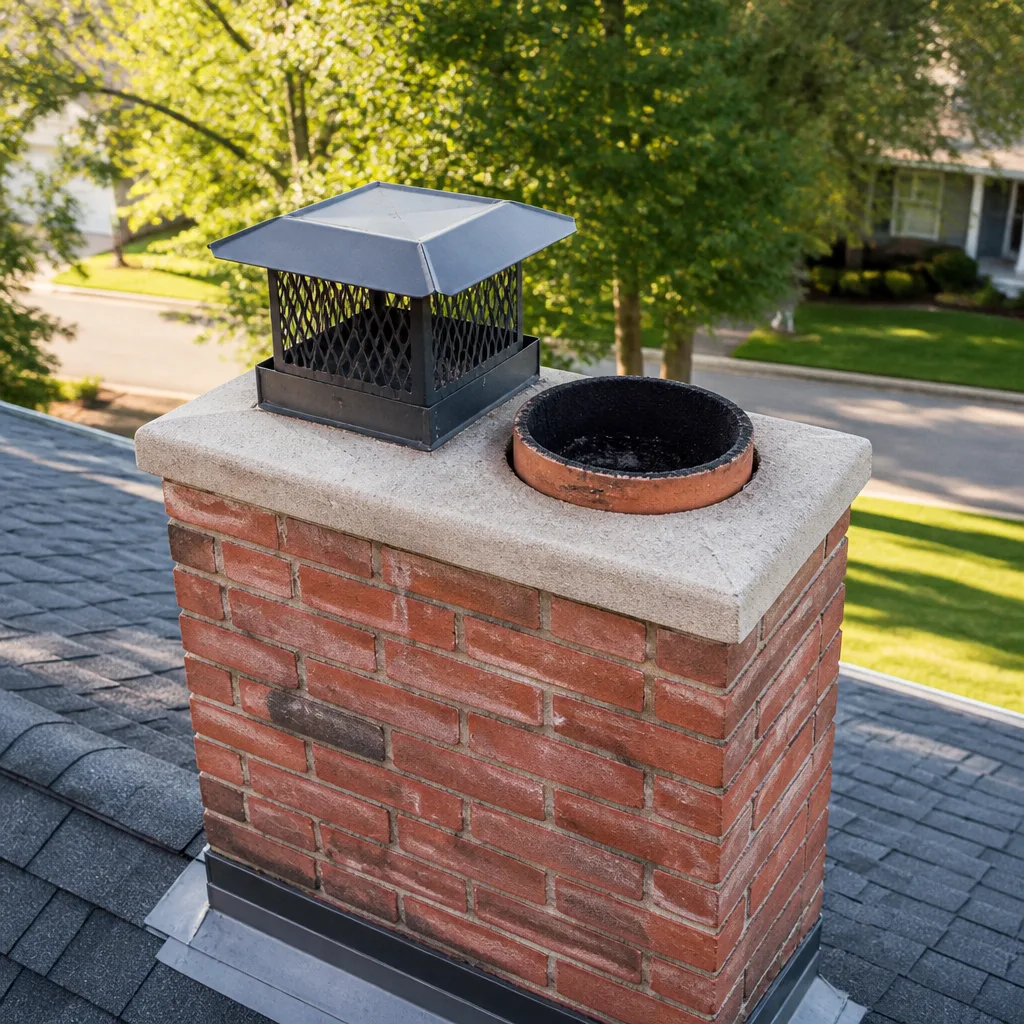 Sweep & inspection
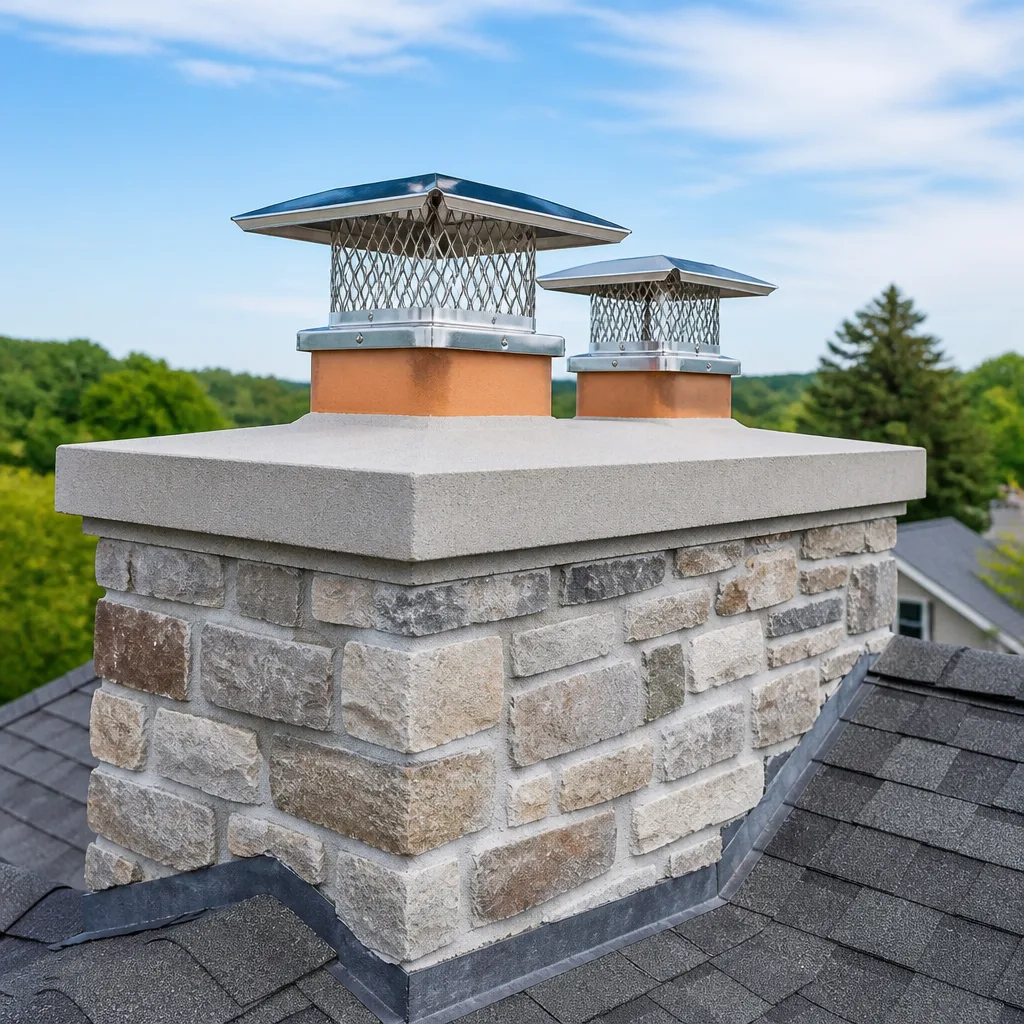 Caps & crowns
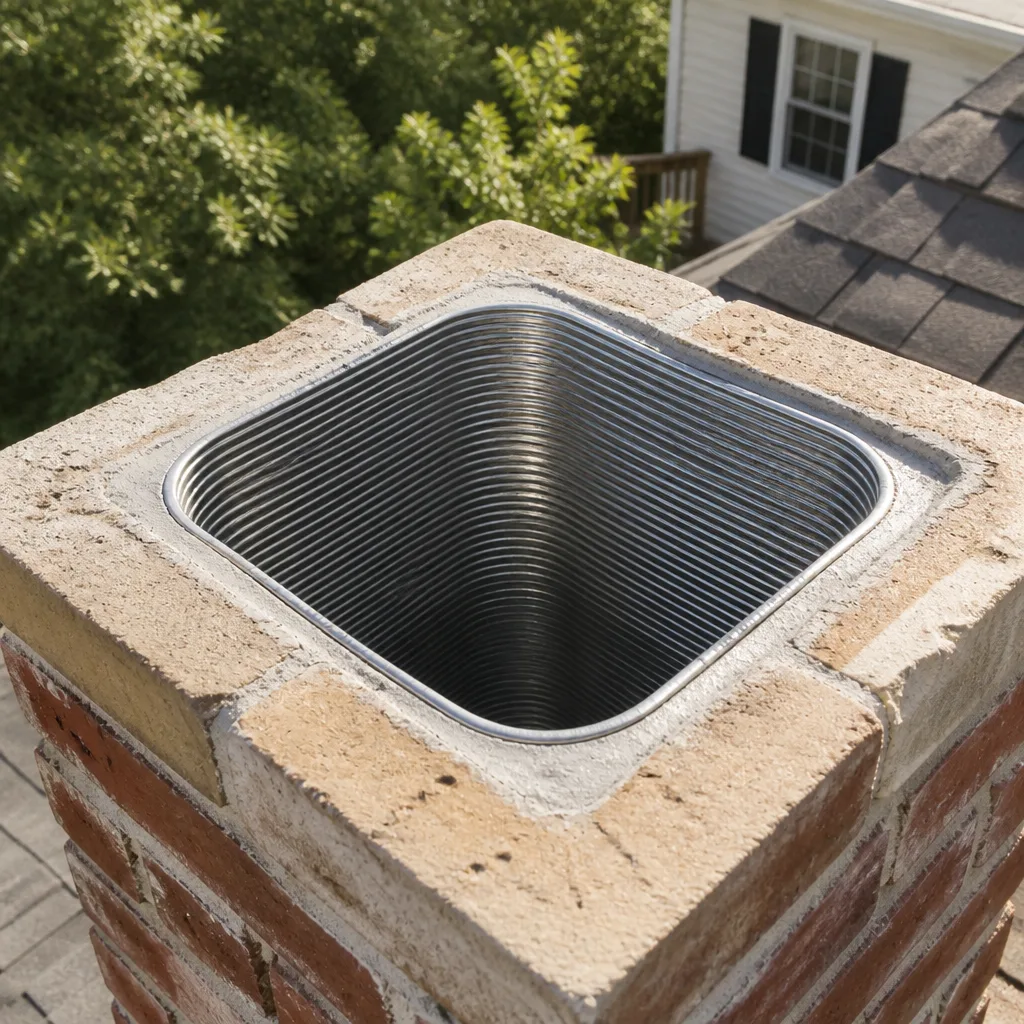 Flue relining
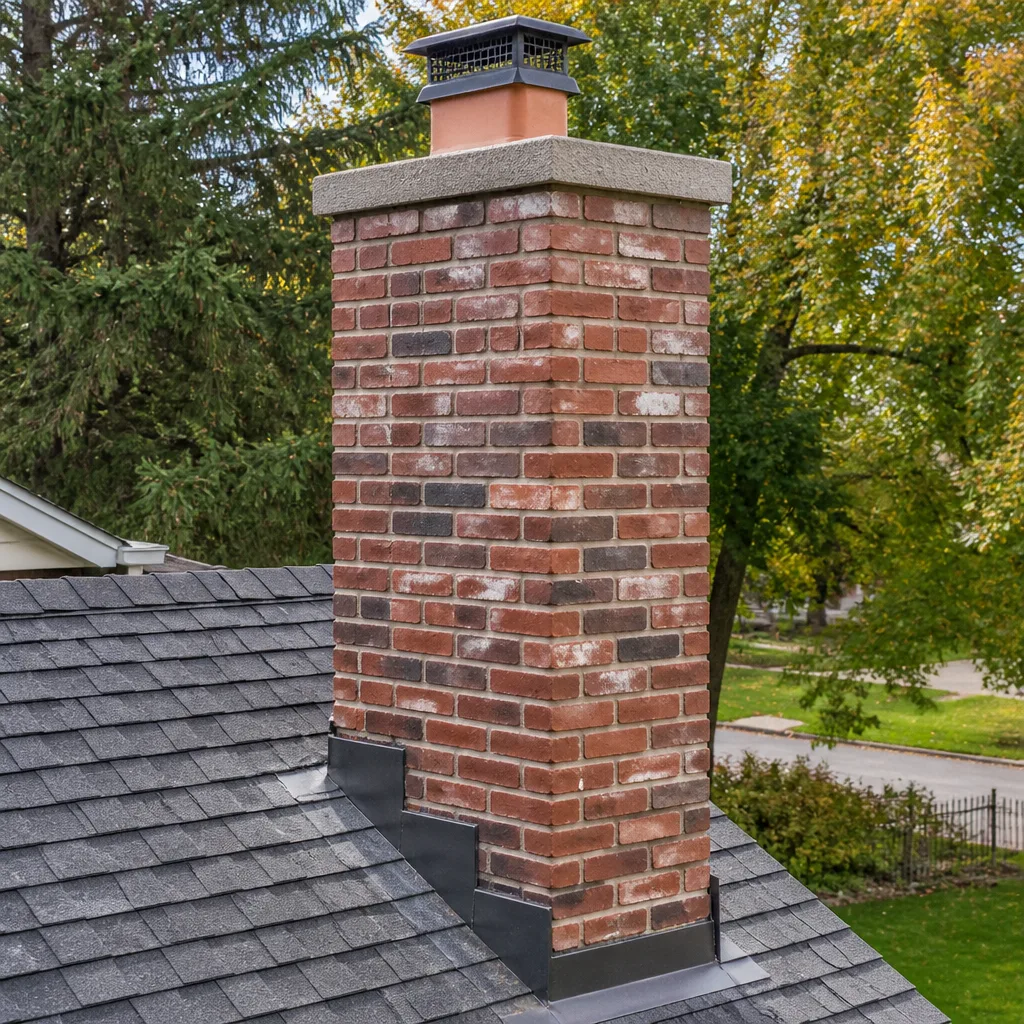 Masonry repair
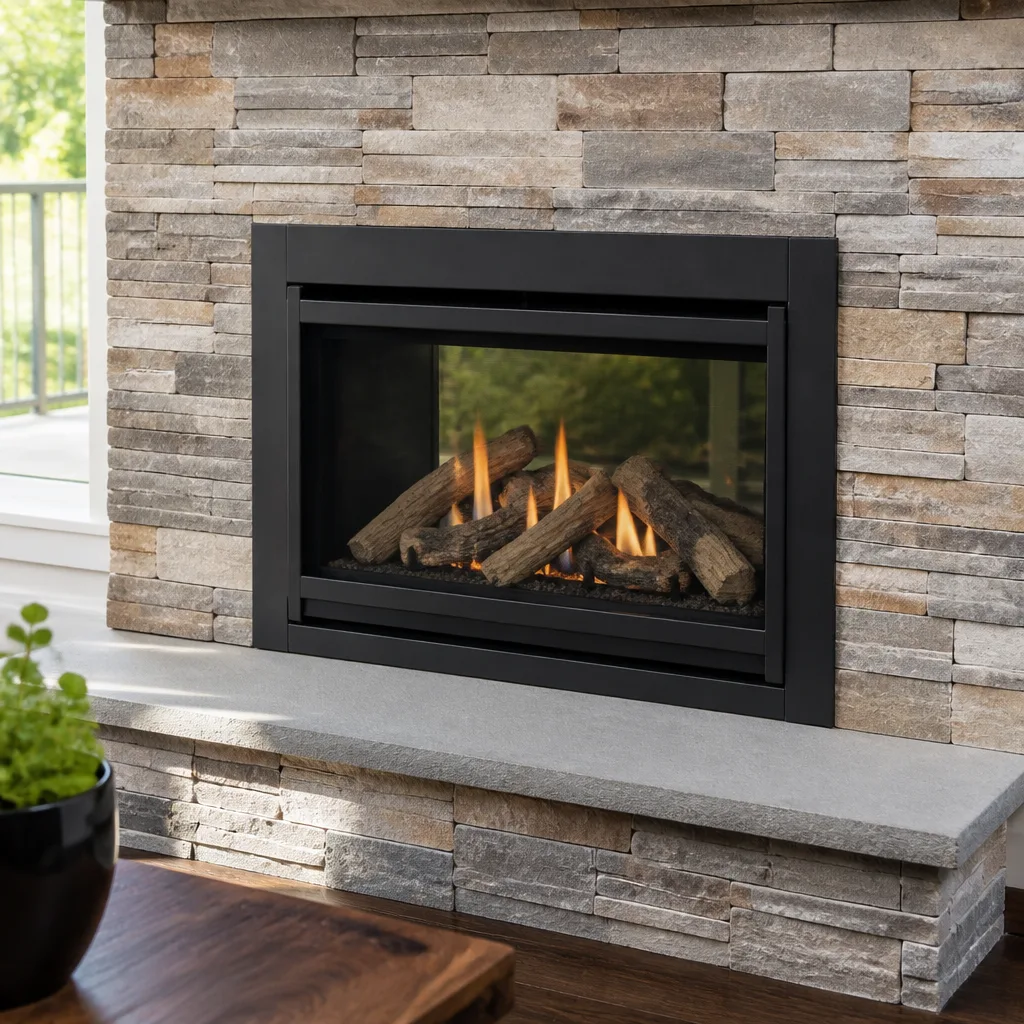 Gas fireplace service
Level 1 sweep and inspection to the NFPA 211 annual standard - flue, crown, cap, and flashing checked and photographed
Chimney sweep logs do not sweep chimneys. They loosen some creosote - which then falls where a brush and vacuum still have to collect it.
Seasonal Chimney Cleaning Care for Venice: Year-Round Homeowner’s Guide
Because Venice rarely gets cold, most homeowners treat chimney care as a single annual event – one fall sweep, then nothing until next year. But a thermometer hides what actually stresses a chimney here: the marine layer peaks in June through August, the Santa Anas arrive in October, and rains hit December through March, each doing a different kind of damage to an idle flue. A chimney in Venice doesn’t experience four seasons the way the rest of the country does. It experiences four distinct stress phases, and each one asks something different of you. This guide walks through all four, plus the cap and screen work that protects everything below them.
Quick Answer
Chimney care in Venice works best on a four-phase calendar rather than a single annual sweep: check for condensation and efflorescence in June through August, inspect cap, damper, and screen before the Santa Anas in September and October, book your sweep in September so it’s done ahead of burn season, and assess crown and flashing damage after the rains in March through May. A screened cap and sound crown are the two things that protect a chimney year-round, and they matter even in months when the fireplace sits unused.
Styles & brands we work with
- Sweep & inspection
- Caps & crowns
- Flue relining
- Masonry repair
- Gas fireplace service
Table of Contents
- Why Venice Chimneys Are Never Really Off-Duty
- June Through August: The Marine Layer and Your Idle Flue
- September and October: Santa Ana Winds and the Pre-Fire Check
- November Through February: Why You Book the Sweep in September
- March Through May: Reading Water Damage After the Rains
- Cap and Screen Care in Venice’s Particulate Environment
- What a Proper Inspection Covers
- Your Venice Chimney Calendar at a Glance
Why Venice Chimneys Are Never Really Off-Duty
Coming from us at Chimney Sweep Venice, we think the biggest misunderstanding about chimney care in this city is that a chimney resting nine months out of the year is a chimney that doesn’t need attention. If anything, the opposite is true. Wood-burning and gas fireplaces in Venice sit idle much of the year, and an idle flue is a flue exposed to moisture, wind-driven debris, and airborne particulate for the whole stretch between fires.
A chimney that gets used hard through the winter and cleaned in spring gets consistent airflow and regular eyes on it. A chimney used a handful of evenings a year and never looked at is a little more like a sealed, unlit column sitting on your roofline – collecting what the weather brings.
Three conditions do most of the quiet work:
- Marine layer moisture. The heavy evening and morning damp of summer settles into cool masonry and cool metal, and condensation forms inside a flue that sees no fire.
- Wind-driven debris. Santa Ana events carry leaves, dust, and grit that make it past a damaged cap but not past a properly screened one.
- Rain on unprotected tops. Winter storms hit the crown, the flashing, and the masonry top hardest. Damage there then works downward for months before a homeowner notices a stain on the ceiling.
So the useful way to think about it: you’re not scheduling a chimney sweep once a year. You’re running a maintenance cycle that happens to include a sweep. In our experience, the homeowners who treat it that way end up avoiding the biggest repair bills, because they catch problems at the crown and cap stage rather than the flue-rebuild stage.
June Through August: The Marine Layer and Your Idle Flue
This is the stretch most people forget about, and it’s the one that quietly sets up problems for later. In June, July, and August the marine layer over Venice is at its strongest, keeping nights and mornings cool and damp even while the afternoons stay mild. For a chimney, that means months of condensation cycling inside an unused flue.
What condensation actually does
Two things matter here. Inside the flue, moisture collects on metal components – damper hardware, the damper frame, and any steel in the firebox assembly – and those parts start to rust. Rust on a damper isn’t cosmetic: a damper that seizes open lets heat and smoke escape up the chimney year-round, and a damper that seizes shut haunts you the first cool evening of fall.
On the masonry side, moisture that migrates through brick and mortar carries dissolved salts with it. When that moisture evaporates at the surface, those salts crystallize as a white, powdery bloom called efflorescence. It’s harmless on its own, but it’s a signal: your masonry is staying wet, and if the crown or flashing lets water in for long enough, spalling and pitting follow.
What to do between June and August
- Open the firebox and look up. Would you note white bloom, rust streaks, or a musty smell? Those are the three quickest condensation indicators.
- Work the damper by hand. Move it through its full range a few times so the hardware doesn’t corrode in one position.
- Check the crown and cap visually from the ground. A cracked crown or a cap that’s come loose is how summer moisture gets in faster than it should.
- Note any pest activity. Summer is when birds and insects find an unscreened chimney easiest to occupy.
If any of those turn up, don’t wait until fall to deal with it. Scheduling work in summer also means your repair is done before the fireplace gets any use at all.
September and October: Santa Ana Winds and the Pre-Fire Check
Come October, the Santa Anas arrive – hot, dry, gusty wind events that push through the region and change how your chimney behaves before you’ve lit a single fire. Two things happen during Santa Anas, and both deserve a specific check before your first burn of the season.
The wind-driven debris problem
A Santa Ana funnels leaves, grit, and fine dust across the roofline. A chimney with a good screened chimney cap & crown shed most of it. A chimney with a cracked, loose, or missing cap catches it – and it collects at the bottom of the flue, right above the damper. Debris sitting on a damper is debris waiting for a spark.
The backdraft problem
Santa Ana winds create pressure differences around the house, and with the fireplace closed up for months, a chimney can push air backward into the room – the fireplace drafts cold air and soot down when you open the flue for the first fire. That’s not a chimney failure in the dramatic sense. It’s a sign the cap design and damper setup aren’t matched to how the chimney handles negative pressure in windy conditions. It’s also avoidable if you check it in September rather than discovering it in December.
Your pre-fire checklist
- Look up the flue with a light. Any visible debris? Stop there and get it cleared before burning.
- Test the damper through its full range. Should it move freely and seat properly? It should.
- Check the cap and its screen for tears or gaps. Wind-driven debris gets in through exactly those gaps.
- Confirm the chimney has no strong draft reversal on a windy day. If the fireplace pushes air back into the room, that’s a damper or cap check, not just a quirk.
- Check the smoke chamber and firebox for signs of last year’s draft problems – soot streaks, creosote deposits along the face.
This is the single best window in Venice to book a professional chimney sweep, before everyone remembers they have a fireplace.
November Through February: Why You Book the Sweep in September
Venice’s burn season is short and compressed. Between November and February, homeowners use their fireplaces in bursts rather than continuously – a handful of evenings through the cooler stretch, a weekend habit or two, maybe more during a cold snap. That pattern hides a creosote problem rather than preventing it.
Creosote builds in layers. Every fire deposits some, and short, hot fires followed by long gaps don’t burn it off the way a sustained burn cycle does. A winter of occasional fires can leave enough of the glazed, tarlike variety behind that it becomes a chimney fire risk the following season.
This is why a September sweep is worth arranging. With the chimney cleaned before November, every fire through the short season burns efficiently, and you won’t find yourself trying to schedule a sweep in the middle of the first cold week of the year. Booking in September also lets anyone who finds a problem – a seized damper, a hairline crack in the flue tile, a deteriorated firebox – get that work done in a normal schedule instead of scrambling.
The details matter. In our experience, most homeowners don’t know what “creosote” looks like at the third-degree stage, or why a chimney sweep should tell you which type of creosote is in your flue. That’s fine – that’s our job.
Early-season sweep: what a real cleaning covers
- The full flue, not just the smoke chamber – the sweep should reach the top of the liner.
- The firebox, damper, smoke shelf, and smoke chamber.
- A quick check of joints and connections inside the firebox.
- A clear report – what we found, what we recommend, and what can safely wait.
March Through May: Reading Water Damage After the Rains
Once the rains of December through March pass, the chimney enters its most diagnostic phase. Winter water has had weeks to work its way into the places it shouldn’t be, and March, April, and May are when you can see the results most clearly.
Two spots cause almost all of the meaningful damage:
- The crown – the sloped concrete or masonry top that sheds water away from the chimney. Hairline cracks widen over a wet winter; water gets into the masonry below and starts working down through the flue tiles.
- The flashing – where the chimney meets the roof. Caulk and sealant deteriorate, and a gap at the flashing lets rain run alongside the flue.
What to look for after the rains
- Stains or discoloration on the ceiling near the chimney or on the chimney breast itself.
- White or gray mineral bloom on the roof-facing side of the masonry, particularly below the crown.
- Cracks you can see in the crown from the ground, or chunks of crown material on the roof below the chimney.
- Damp or rust in the firebox, or a smell of damp soot when you open the damper.
- Spalling on the brick or stucco near the flashing.
If you find any of those, get an inspection before the next fall. A cracked crown or a failed flashing is usually a modest repair done early, and a considerably more expensive one once water has had a second rainy season to work. This is why cap and crown work in Venice belongs on a spring checklist, not just a pre-winter one.
Cap and Screen Care in Venice’s Particulate Environment
A chimney cap and its screen are the year-round protective layer that does more to extend a chimney’s life than anything else a homeowner can do. Here, where the air carries marine-layer particulate and seasonal wind-driven debris, the cap does real work every single month.
Why a cap matters here
A cap does three jobs at once: it keeps rain out of the flue, it stops debris from collecting at the damper, and it prevents insects and birds from nesting in an empty chimney. It’s a preventive service, not an upsell. In our experience, a significant share of the moisture damage we’re called out to assess started as a missing or damaged cap.
What a proper screen does
Screen mesh size matters more than most homeowners realize. Too coarse, and embers can escape onto a dry roof. Too fine, and air movement is restricted, which sends creosote buildup higher. A properly specified screen keeps embers in and pests out while letting the flue draft the way it should. If yours is torn, dented, or missing, it’s worth replacing – not just because of pests, but because wind-driven grit collects anywhere it can.
What to check on your cap and screen
- Is the cap sitting flat and securely attached, or has wind loosened it?
- Is the screen intact, with no tears, dents, or holes?
- Has debris collected against the inside of the screen?
- Does the cap fit the flue diameter properly, or is there a gap?
- Is the metal cap itself showing corrosion, particularly at the fasteners?
None of that requires climbing on the roof yourself. A simple visual from the ground catches most of it, and our yearly inspection catches the rest. If your cap and screen are due for replacement, that’s a modest job with a long payoff. It’s also the first thing to check before any other chimney work is scheduled – there’s no point cleaning a flue that’s going to get rained into next week.
What a Proper Inspection Covers
A chimney inspection is the foundational service for everything else in this guide, and it’s worth understanding what one actually involves – particularly because a professional inspection should be a standalone service, not a sales funnel for repair work.
What we inspect
- Flue interior. The liner or flue tile from firebox to top, checking for cracks, gaps, and buildup.
- Firebox and damper. The firebox assembly, damper operation, smoke shelf, and smoke chamber.
- Crown and flashing. Water-shedding surfaces and the chimney-to-roof connection.
- Cap and screen. Attachment, screen integrity, and fit.
- Chimney exterior. Masonry condition, joint integrity, and signs of efflorescence or spalling.
When we find a problem, we show you what we found, in plain terms. The inspection comes with a clear report: what needs work now, what can wait, and what needs no work at all. If your flue needs restoration rather than replacement, HeatShield ceramic resurfacing can often restore the flue without the cost of a full liner replacement – a repair pathway not every chimney company offers or carries.
The other thing worth knowing: when work is needed, the materials matter. We work with recognized professional product lines – DuraFlex liner systems, Gelco, Olympia Chimney, Famco, and Copperfield – because they’re what the trade uses, not what’s on the shelf at the hardware store.
Your Venice Chimney Calendar at a Glance
Here’s the whole year in one place, so you can plan chimney work alongside everything else you look after as a homeowner. Print it, screenshot it, stick it on the fridge.
- June-August (marine layer peak): Check for condensation damage and efflorescence; work the damper; confirm the cap is intact. If any work is needed, schedule it before fall.
- September-October (Santa Anas): Pre-fire inspection and damper and cap check. Book your sweep. Clear any wind-driven debris before the first burn.
- November-February (burn season): Burn the fire; pay attention to draft behavior and smoke backing up. No need to clean the flue mid-season unless you notice a problem.
- March-May (post-rain): Look for stains, efflorescence, cracked crown, and failed flashing. Book a repair assessment before the next season.
- Year-round: Keep the cap and screen sound. Replace a torn screen before it becomes a pest or ember problem.
That’s the whole cycle: sweep, inspect, cap, crown, fireplace repair, and chimney repair handled as one connected maintenance sequence rather than a batch of separate jobs.
Common Mistakes to Avoid
- Waiting until November to book the sweep. By then the first cold snap is already here and everyone’s fireplace is in line ahead of yours. Book in September instead – the work is ready when you are.
- Treating summer as an off-season. The marine layer does more quiet damage to an idle flue than a full burn season does. A five-minute check in July prevents a real repair in October.
- Ignoring efflorescence. White bloom on the masonry is often the first sign water is getting into a place it shouldn’t be. Treat it as a question to investigate, not a cosmetic quirk.
- Skipping the cap. A missing or damaged cap lets rain, wind-driven grit, and pests straight into the flue. It’s the simplest piece of preventive work there is, and it protects the entire chimney below it.
- Burning without clearing debris after a Santa Ana. Anything that’s collected at the damper becomes a fire risk the first time you burn. Clear it before lighting up.
- Assuming a garage-side glance is a real inspection. A chimney’s important surfaces – flue interior, smoke chamber, crown, flashing – can’t be assessed from the ground. That’s what an inspection is for.
- Doing line work yourself after a minor flue crack. Liner and flue restoration is time-sensitive and reliant on the right materials. HeatShield ceramic resurfacing, in particular, is a qualified process, not a DIY repair.
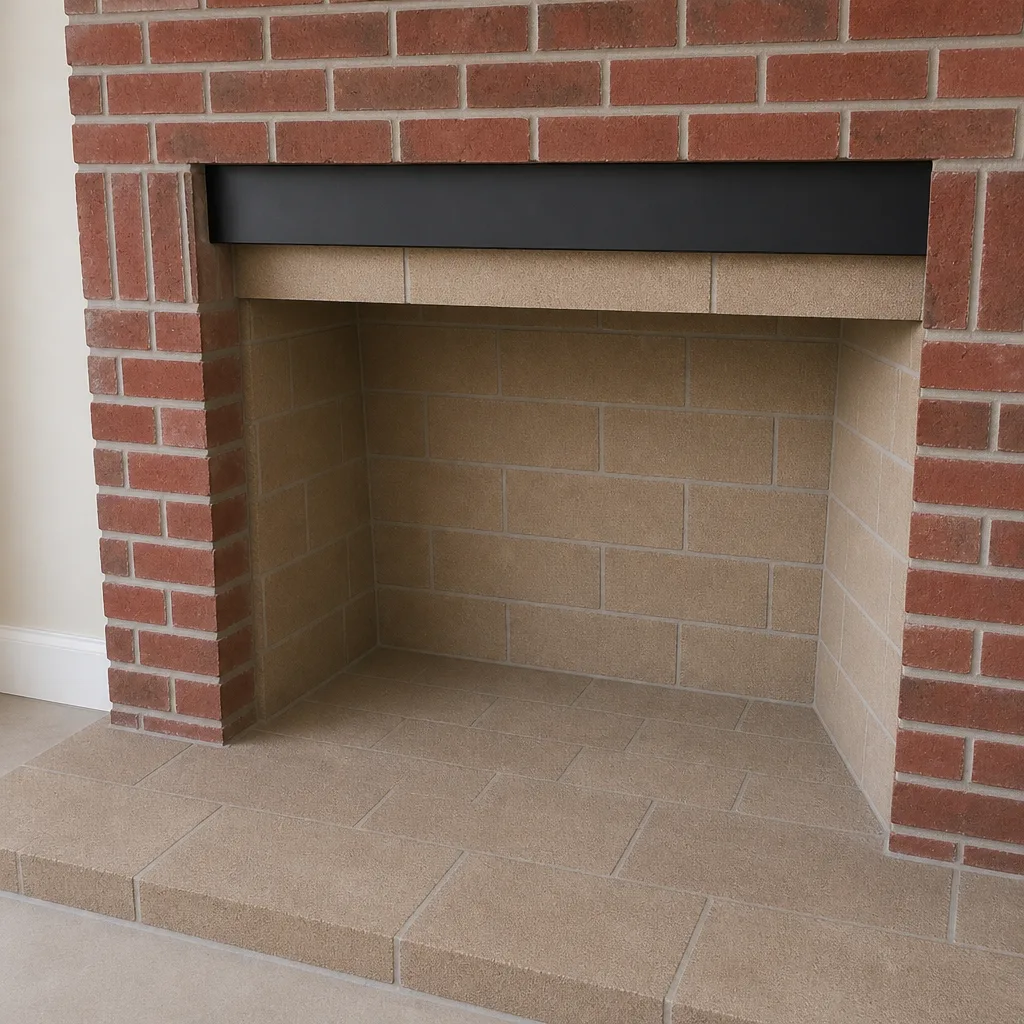
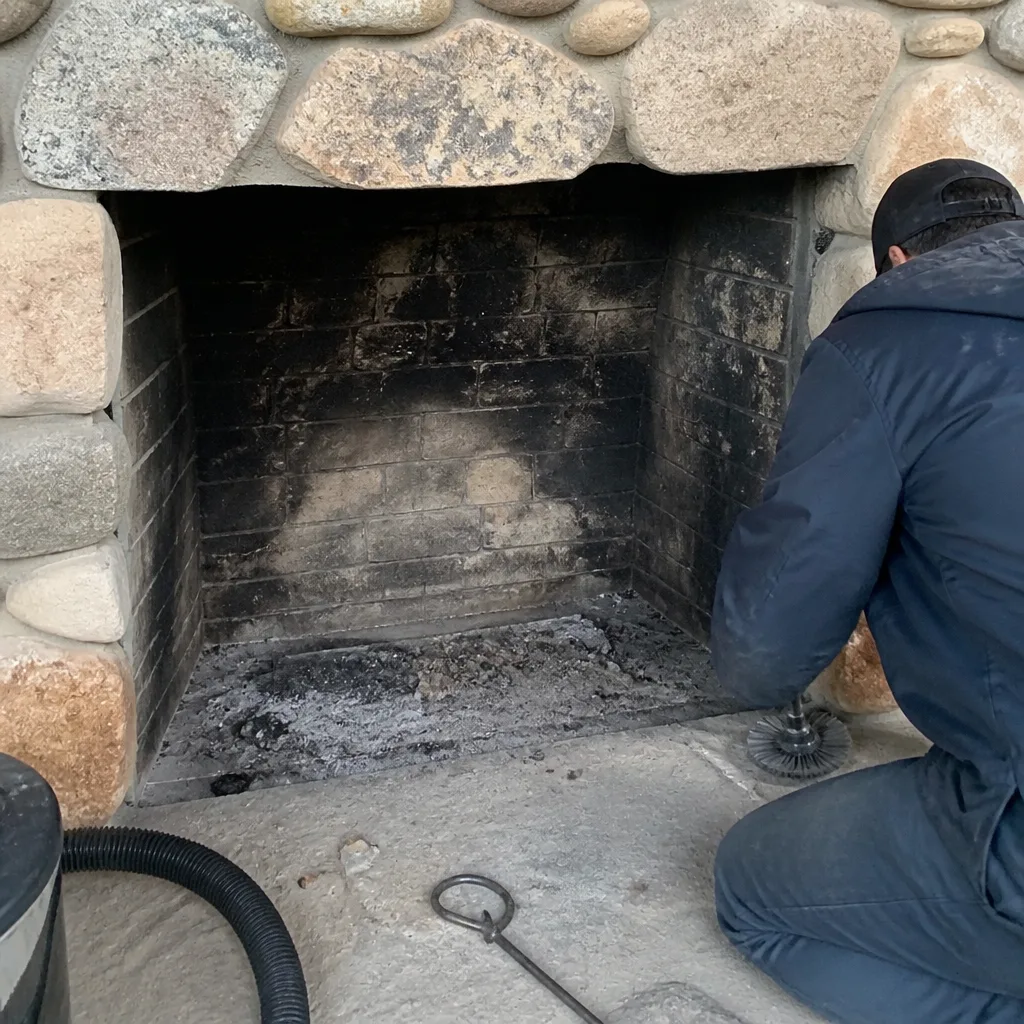
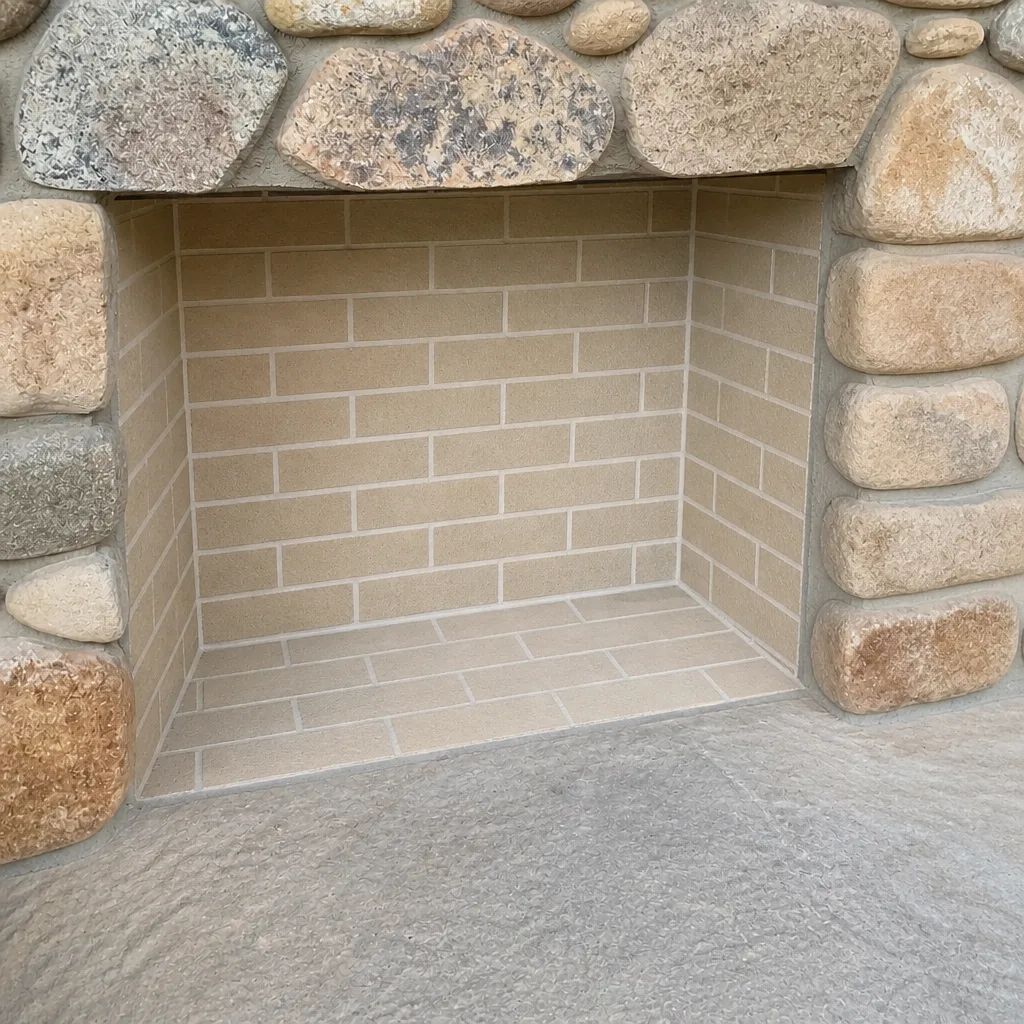
See the difference
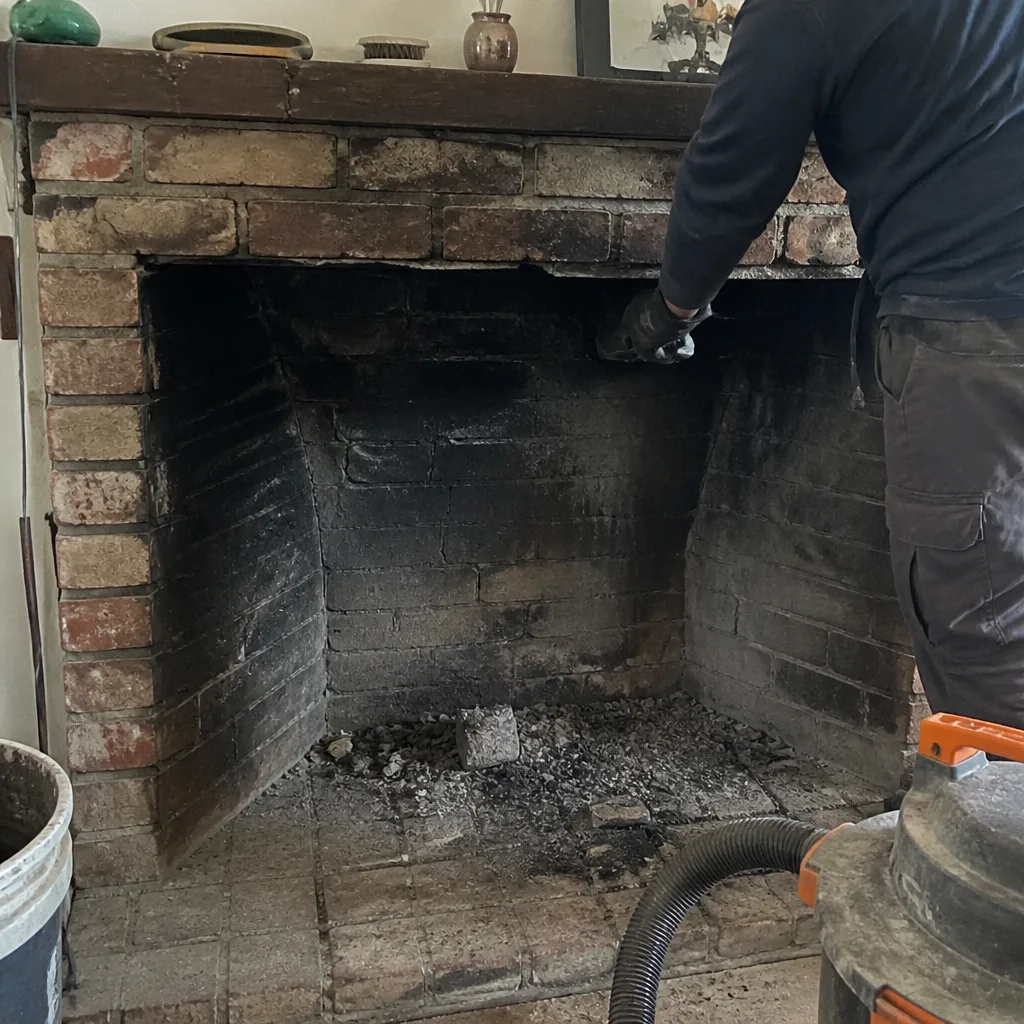 Before
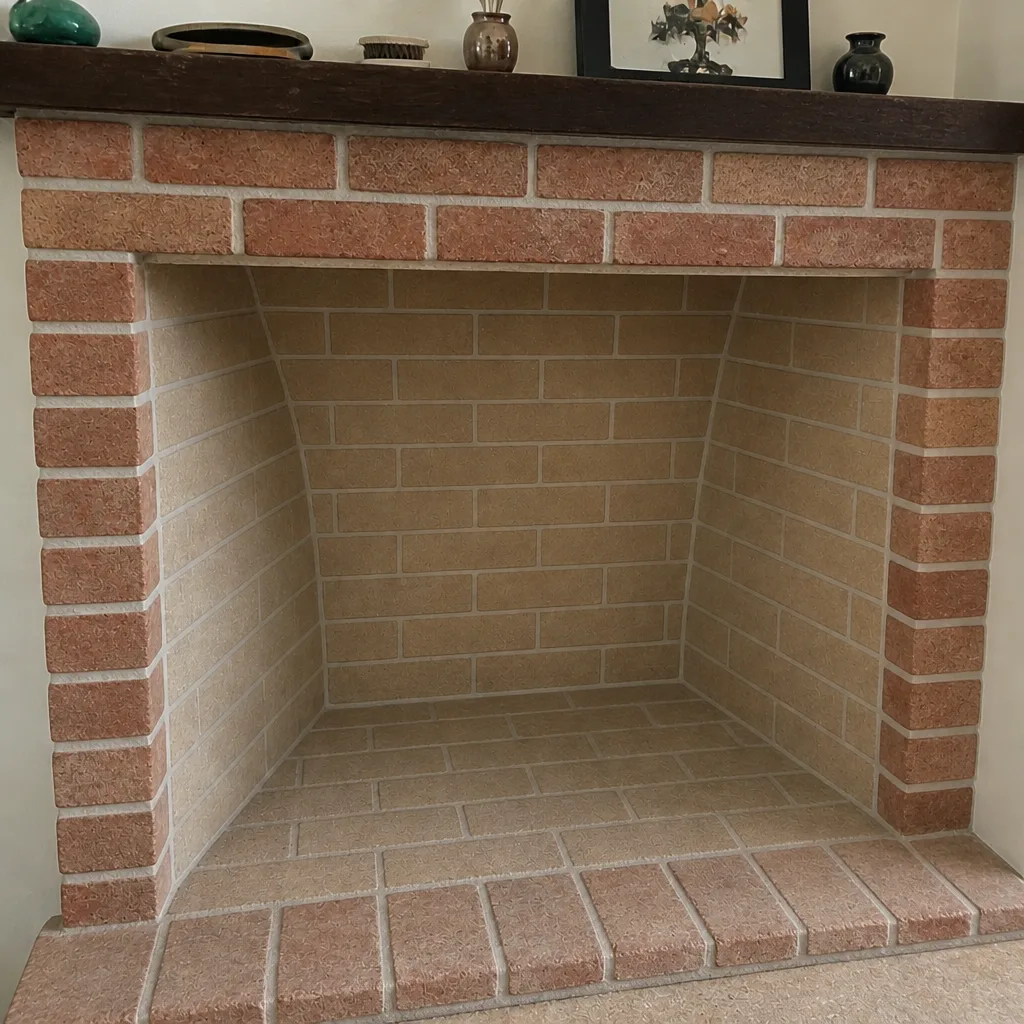 After
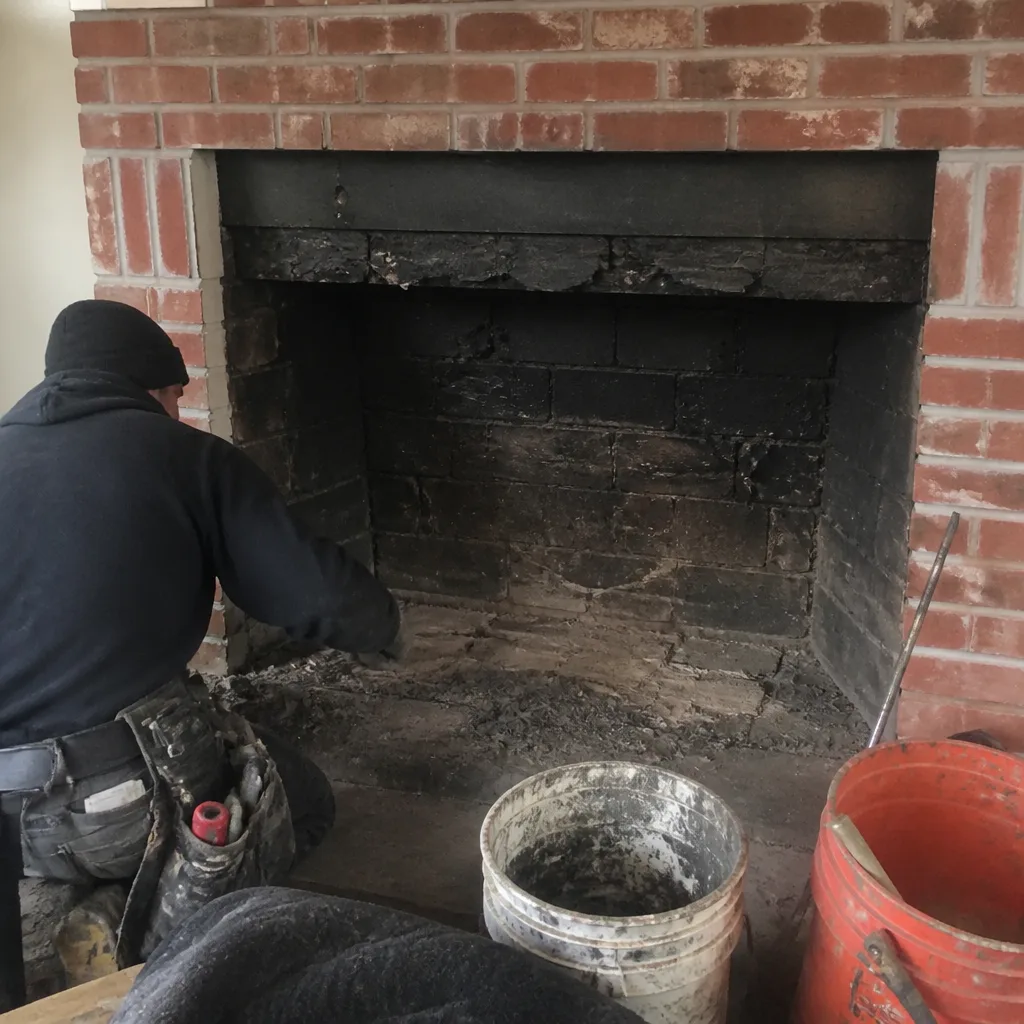 Before
 After
 Before
 After
When to Call a Professional
Many chimney issues are easy to delay because you can’t see them. A few situations clearly deserve a call: the first cold week of a cold snap reveals the sweep needed to have happened; a strong draft reversal during Santa Ana winds suggests a cap and damper check; a stain on the ceiling or a damp firebox points to a water-intrusion issue that should be assessed before it spreads; a fireplace that’s never had a professional inspection deserves one regardless of whether you’ve noticed anything. Our technicians have up to 13 years of experience, and we offer Chimney Sweep Venice free estimates – call (833) 725-4278 to arrange one. Fast dispatch from 7am to 7pm, Sunday through Friday; we answer 24/7.
Frequently Asked Questions
Once a year is the standard for a wood-burning fireplace, and for Venice the best time to schedule that sweep is September, just before the compressed burn season begins. If your fireplace sees heavy use or a lot of short, cool fires, check with a sweep mid-season as well. Call (833) 725-4278 for an exact quote – estimates are free.
Yes. June through August is when the marine layer causes the most condensation in an idle flue, which accelerates rust on damper hardware and promotes efflorescence on the masonry. A quick summer check catches those early. Call (833) 725-4278 for an exact quote – estimates are free.
A sweep physically cleans the flue and firebox; an inspection assesses the entire chimney’s condition and reports what needs work and what doesn’t. We offer inspection as a standalone service, so you can get an assessment without committing to any repair work. Call (833) 725-4278 for an exact quote – estimates are free.
It depends on the condition of the existing flue. In some cases, HeatShield ceramic resurfacing can restore an aging flue without the cost of a full liner replacement. When a full reline is the right answer, we use DuraFlex liner systems. We’ll show you what we found and let you see the camera evidence. Call (833) 725-4278 for an exact quote – estimates are free.
Late spring and early summer is the smoothest window for chimney repair in Venice – the rains are over, and the work is done well before the first cold evening of fall. It also means any findings from the inspection can be addressed without scrambling. Call (833) 725-4278 for an exact quote – estimates are free.
Creosote builds quietly, water damage works downward from the crown to the flue, and pests nest in unscreened chimneys. None of that shows up on a thermometer, which is why the maintenance matters more than the weather suggests. Call (833) 725-4278 for an exact quote – estimates are free.
The Bottom Line
Venice chimneys don’t run on a single annual sweep. They run on four distinct phases: summer marine-layer condensation, fall Santa Ana wind exposure, a compressed burn season, and post-rain water-damage assessment in spring. A well-screened cap and a sound crown protect the chimney year-round, and a September sweep keeps the burn season clean. Everything from the initial inspection through cap, crown, fireplace repair, and full chimney repair can be done with one specialist, using materials the trade trusts – HeatShield, DuraFlex, Olympia Chimney, Famco, Gelco, and Copperfield. That’s the whole sequence, planned once and followed every year.
If you’d like to put your own Venice chimney on that calendar, chimney sweep services start with a professional assessment – call (833) 725-4278 for a free estimate and a plain-spoken plan for the year ahead. We answer 24/7. Fast dispatch from 7am to 7pm, Sunday through Friday.
Written by the team at Chimney Sweep Venice.