
Last updated November 22, 2026
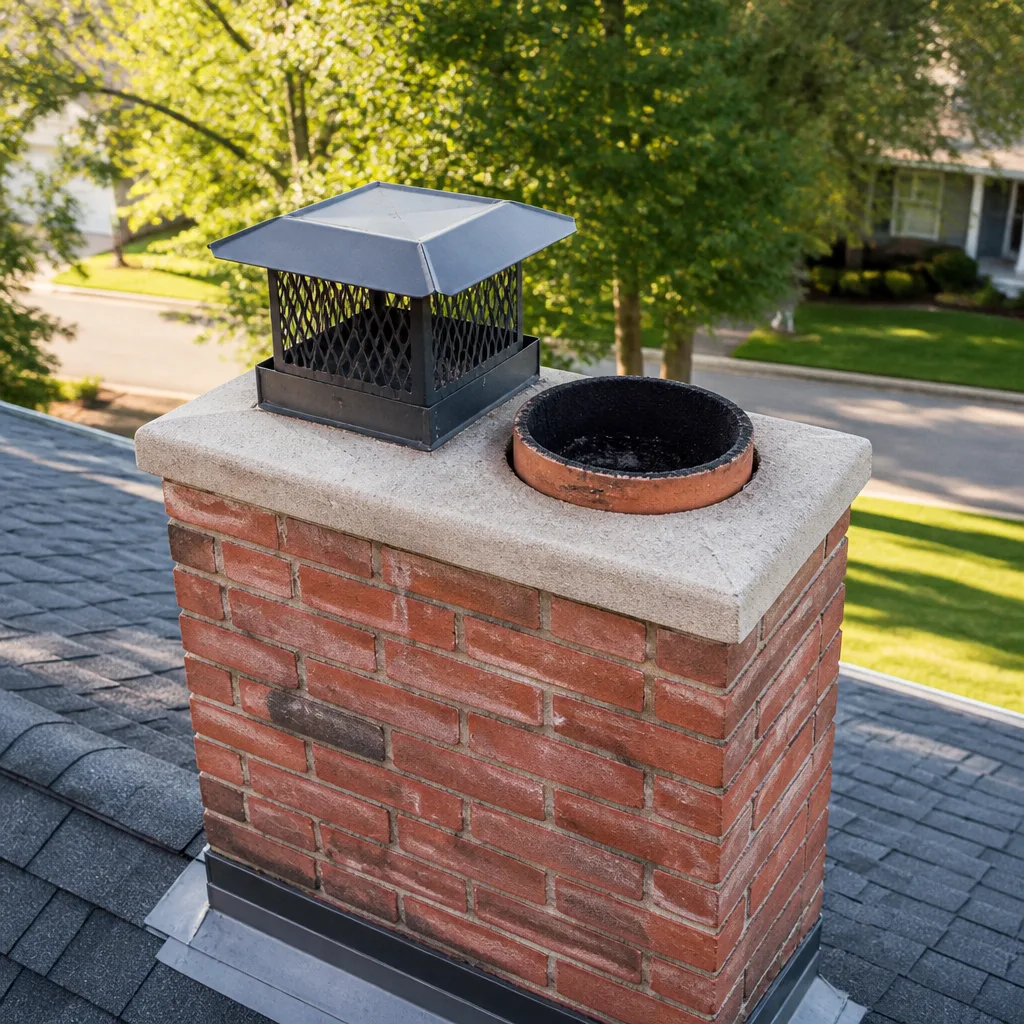 Sweep & inspection
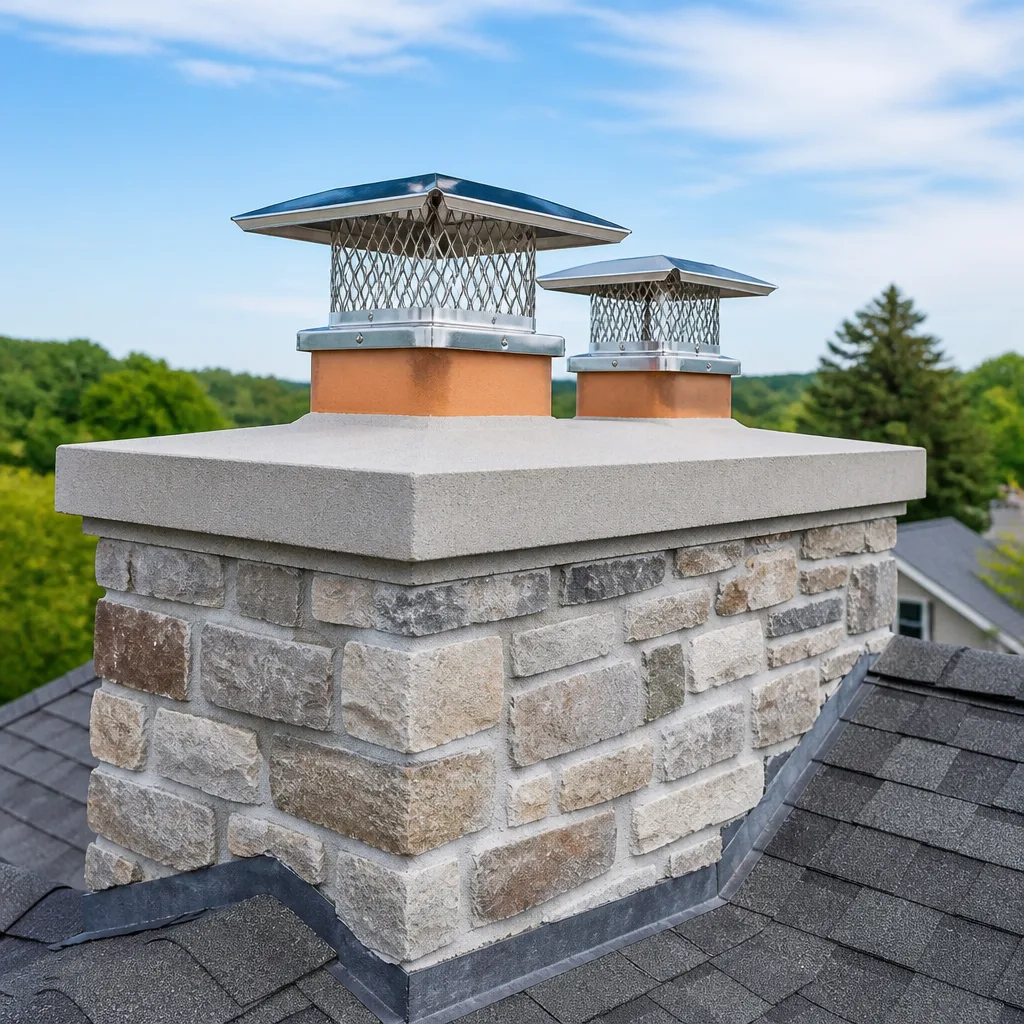 Caps & crowns
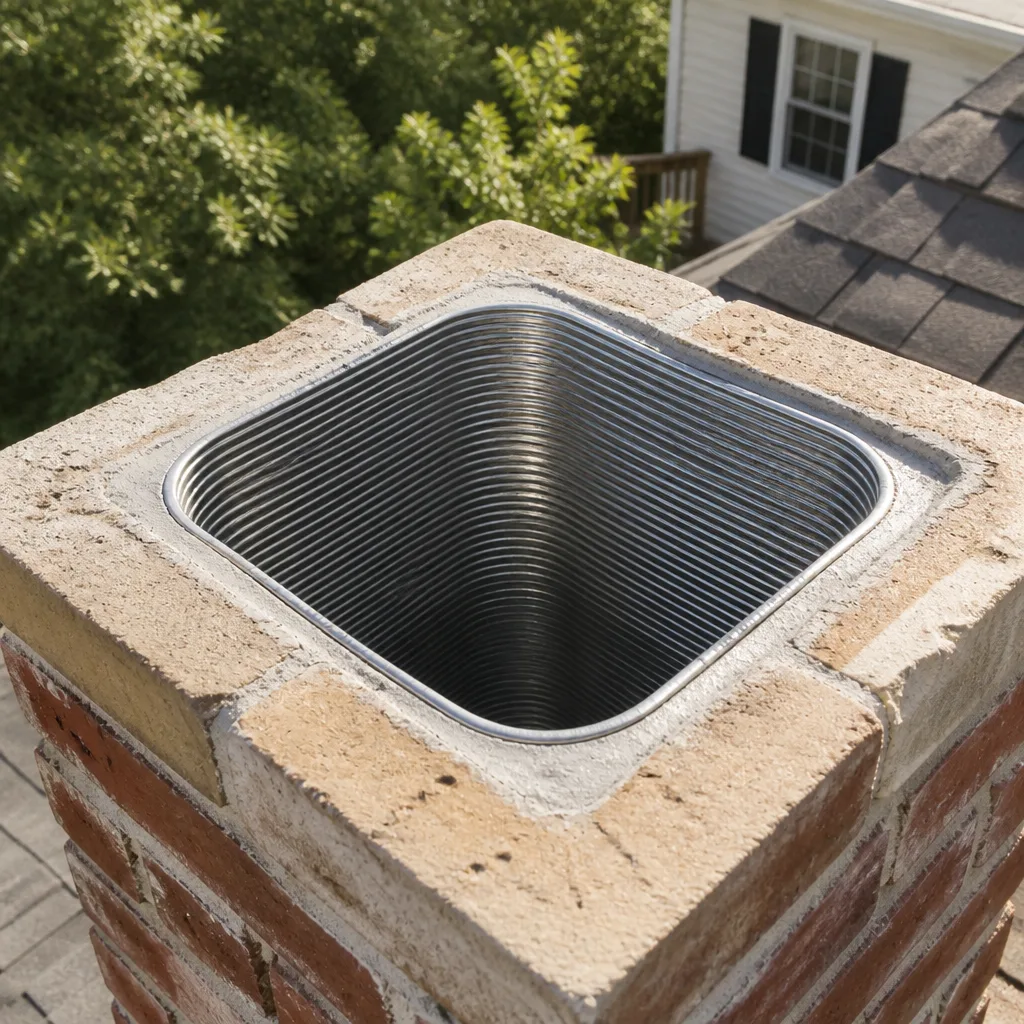 Flue relining
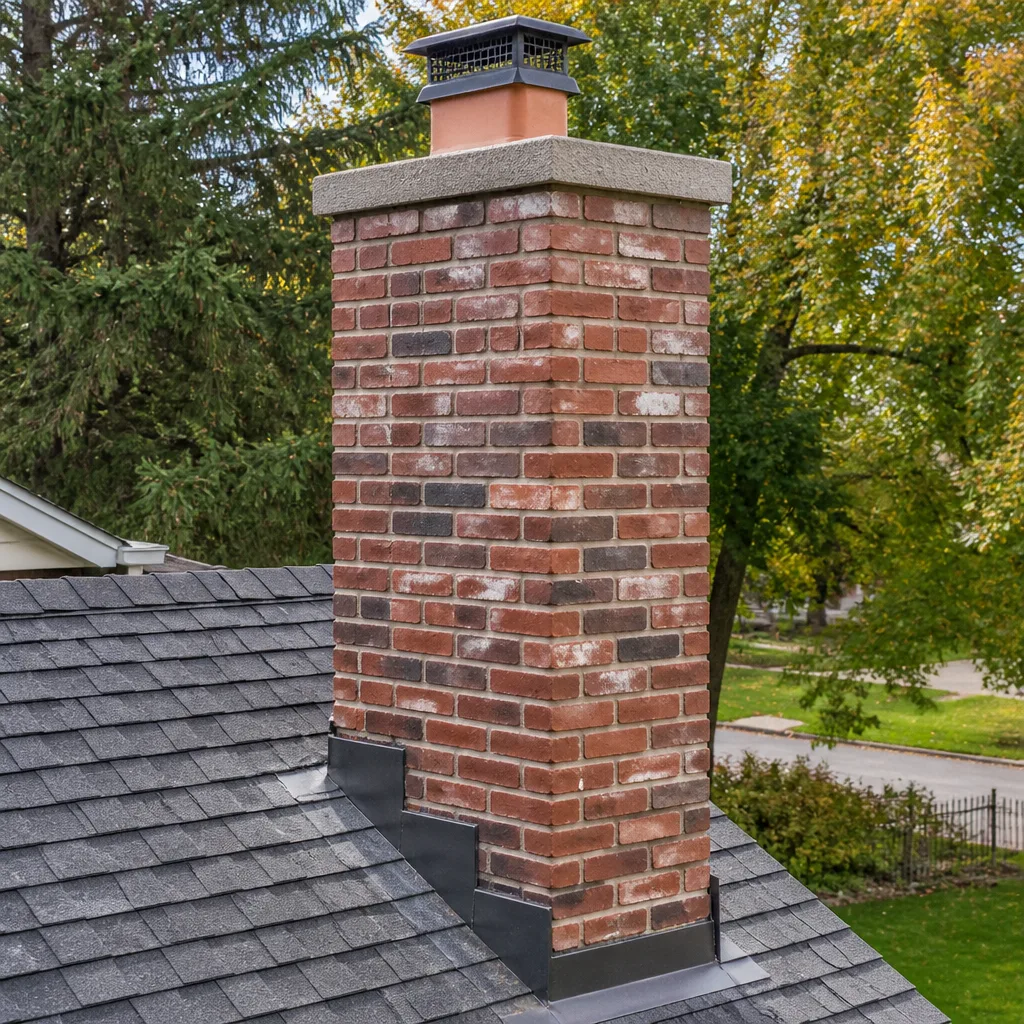 Masonry repair
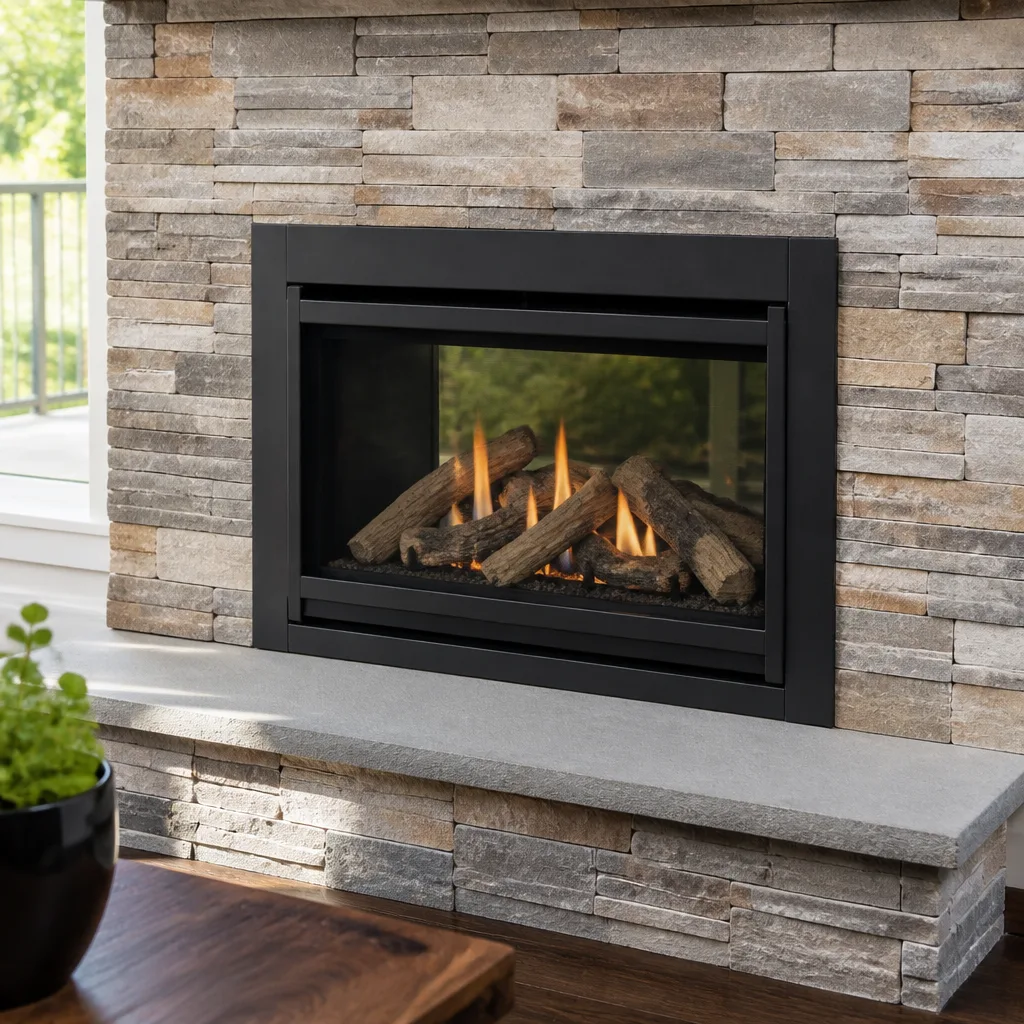 Gas fireplace service
Level 1 sweep and inspection to the NFPA 211 annual standard - flue, crown, cap, and flashing checked and photographed
Chimney sweep logs do not sweep chimneys. They loosen some creosote - which then falls where a brush and vacuum still have to collect it.
The Complete Guide to Chimney Cleaning in Venice
Most Venice homeowners light their fireplace fewer than fifteen times a year. That sounds like a reason to skip the annual sweep, but it’s usually the opposite. Light-use chimneys build a sticky, moisture-heavy layer of Stage 1 creosote that thickens faster per hour burned than the flue of a house that fires every night through the winter. Add a mild, stop-and-start burn season and a flue that’s asked to handle condensation between fires, and cleaning becomes a more particular job than the standard once-over. This guide walks through what a real cleaning in Venice includes, how inspections differ, and how to tell the work was done right.
Quick Answer
Chimney cleaning in Venice means removing soot, creosote, and debris from the flue, firebox, and smoke chamber, then verifying the whole system with a camera inspection so you know the liner, cap, and crown are intact. Because our local burn season is intermittent rather than continuous, a thorough cleaning here focuses as much on the condition of the flue between fires as on the soot itself. Most Venice wood-burning fireplaces need a professional sweep roughly once a year.
Styles & brands we work with
- Sweep & inspection
- Caps & crowns
- Flue relining
- Masonry repair
- Gas fireplace service
Table of Contents
- Why Chimney Cleaning in Venice Isn’t a Generic Job
- What a Full-Service Chimney Cleaning Actually Includes
- The Creosote Problem in Intermittent-Use Fireplaces
- Inspection Levels: Level 1, 2, and 3 Explained
- How Salt Air and Moisture Affect Your Flue Liner
- How to Verify the Job Was Done Correctly
- What Chimney Cleaning Costs in Venice
- Common Mistakes to Avoid
- When to Call a Professional
- Frequently Asked Questions
Why Chimney Cleaning in Venice Isn’t a Generic Job
Venice sits close enough to the water that its air carries salt and steady moisture most of the year. That combination changes what happens inside a chimney between fires. When you burn wood, the smoke leaves water vapor behind on the flue walls. In a house that burns daily, that area stays warm and the vapor mostly evaporates. In a Venice home that lights a fire a dozen or so times a season, the flue cools down for weeks at a time, and that leftover moisture sits there, drawing salt-laden air in through the top of the chimney and holding it against the liner.
Over a season this shows up as a few specific things a sweep should be looking for, not just soot:
- Surface pitting on clay flue tiles, where moisture and salt have begun to break down the ceramic surface.
- Hairline cracks in the liner, which let heat and carbon monoxide reach combustible framing.
- Rust on metal components like the damper, firebox grate, and cap hardware.
- Efflorescence, a white powdery residue on masonry that signals moisture moving through the brick.
- A stuck or stiff damper, often the first sign of corrosion in a lightly used fireplace.
A sweep who only vacuums out soot and calls it a day misses all of this. The cleaning is the visible part; the inspection of the flue surface is the part that protects the house. In our experience, a Venice fireplace that looks clean inside the firebox can still have a liner that’s starting to fail behind it. That’s why we treat cleaning and inspection as one visit, not two separate errands. If you want to see how a dedicated specialist approaches the whole visit, start with chimney sweep and work outward from there.
What a Full-Service Chimney Cleaning Actually Includes
A complete cleaning runs top to bottom, not just the firebox. The order matters because debris knocked loose higher up needs somewhere to land, and the tools change at each stage. Here’s what a full-service visit looks like from cap to firebox.
- Drop cloths and containment. The work area around the hearth gets covered, and a dust-containment system is set at the firebox opening so soot never reaches the room.
- Cap and crown check. The technician inspects the top of the chimney first: cap in place, crown intact, no cracked masonry or open joints letting water in. If the cap is missing or damaged, that’s flagged before cleaning begins.
- Flue sweep. A properly sized rotary brush or hand brush, matched to the flue’s shape and liner type, runs the full length of the flue. Sticky creosote may need a chemical treatment before brushing so it releases cleanly instead of smearing.
- Smoke chamber and damper. The area just above the damper collects creosote and is the most common spot for a chimney fire to start. It gets brushed and vacuumed directly.
- Firebox cleaning. Ash, soot, and any debris get removed down to the firebox floor.
- Camera inspection. A flue camera confirms the liner is intact, joints are tight, and no cracks were hidden behind the soot.
- Photo report. You get images of what the camera saw, so you can see the condition of your own flue rather than taking a recommendation on faith.
This top-to-bottom approach is why we keep the same specialist on the whole job rather than handing pieces off. It’s also where the dedicated chimney cap & crown service comes in: if the cap or crown fails the check, that’s addressed before it turns into water damage to the flue below. A cap is the single cheapest way to keep rain, salt air, and animals out of a chimney you don’t burn very often.
The Creosote Problem in Intermittent-Use Fireplaces
Creosote forms in three recognizable stages, and the stage matters more than the total hours you’ve burned. Stage 1 is a light, flaky soot you can brush off easily. Stage 2 is a denser, sticky, tar-like deposit that clings to the flue walls. Stage 3 is a glazed, hardened layer that requires professional removal. The catch in Venice is that a lightly used fireplace often lands in Stage 2 faster per hour burned than a heavily used one, because the fire never gets hot enough, long enough, to burn the deposits off.
Here’s why. A cold or short fire produces more smoke and more unburned vapor, which condenses on a cool flue. If you light one fire a week for a couple of hours, the flue spends most of its time cool, so what little smoke there is condenses thickly and sticks. A fireplace that burns hot for hours at a time keeps its flue warmer and leaves a thinner, flakier deposit. Two homes with identical burn counts can have very different creosote. The sticky version is the one that needs a different cleaning method: a dry brush smears it around, so a chemical creosote treatment softens it first, then the brush pulls it off.
A few things that push a Venice chimney toward the stickier stuff:
- Burning unseasoned or damp wood, which throws off far more water vapor.
- Short fires that never get the flue properly hot.
- Closing the damper too early, trapping smoke as the fire dies.
- Burning on mild evenings when the chimney draft is weak.
- Long gaps between fires, which let condensation build up between burns.
None of this is a reason to stop using your fireplace. It’s a reason to clean it on schedule even when the burn count is low, and to expect the technician to assess creosote stage and choose the method accordingly rather than treating every flue the same way.
Inspection Levels: Level 1, 2, and 3 Explained
Not every chimney needs the same depth of inspection. The industry recognizes three standard levels, and knowing which one your Venice home needs helps you understand what you’re paying for and why a recommendation may go beyond a simple sweep.
- Level 1 inspection. A visual check of the readily accessible parts of the chimney and firebox, done when the chimney is in known good condition and nothing has changed. This is the standard check during a routine annual cleaning.
- Level 2 inspection. A more thorough assessment that includes a video camera scan of the flue interior, accessible attic and crawl spaces, and the chimney’s exterior. It’s called for when there’s been a change: a new appliance, a chimney fire, a liner change, or a home sale.
- Level 3 inspection. The most involved level, used when a specific problem requires accessing parts of the chimney that are normally concealed, which may mean opening up walls or masonry.
So which level does a lightly used Venice fireplace typically need? Most of the time, a properly maintained chimney on an annual cleaning can be handled with a Level 1 inspection during that visit. But an intermittent-use home, especially one that’s been sitting for years or a house you’ve recently moved into, is a reasonable candidate for a Level 2, because the camera is what reveals the pitting, cracks, and corrosion that a visual glance won’t catch. If the camera does find a problem, a Level 3 becomes the next step, but only when there’s something specific to investigate.
A chimney inspection should stand on its own, not exist only to sell you repairs. We offer it as a standalone service so you can get a real safety assessment without committing to any work. The inspection is the first step, not a sales pitch. If a chimney hasn’t been looked at recently, Chimney Sweep Venice can come out, run the camera, and show you what’s there before anything else is decided.
How Salt Air and Moisture Affect Your Flue Liner
The flue liner is the safety barrier between the fire and the framing of your house, and in Venice it’s working against a quiet, constant opponent: moisture carried on the air. Two conditions at once make liner problems more likely here. The first is that intermittent use leaves the flue cool and damp for long stretches. The second is that even a capped chimney pulls outside air in from the top, and that air carries salt and dampness inland from the water.
What that looks like over time, and what a sweep should check for beyond soot:
- Clay tile liner. Look for cracked tiles and spalling, where the face of the tile flakes and pits. Salt and moisture cycling in and out is the usual driver.
- Metal liners. Look for rust, thinning, and seam separation, especially near the top where moisture and air first enter.
- Cast masonry. Look for crumbling mortar and soft, eroded joints, which let smoke and moisture reach the structure behind.
- Top-of-flue components. Look at the cap, crown, and top plate, since the top is where salt-laden air enters and where weather hits first.
When a liner has damage, a full relinining is one route, but it’s not the only one. For flues with a serviceable structure but a failing inner surface, ceramic resurfacing helps. HeatShield is a ceramic resurfacing method that restores the interior of the flue and gives you a liner-restoration path that can avoid the cost of full replacement. Ceramic resurfacing with HeatShield can restore your flue without the cost of a full liner replacement. Where the liner needs replacing instead, here we use DuraFlex liner systems, an industry-standard flexible liner built for the job. Your technician should tell you which option fits your flue based on camera evidence, not on convenience.
How to Verify the Job Was Done Correctly
Most chimney calls go wrong not because the sweep was lazy but because the homeowner didn’t know what “done” looks like and had nothing to check against. You don’t need to get on the roof. You need to know a handful of specific things to confirm before the technician leaves.
- Ask to see the before-and-after photos. A camera scan means real images of your flue, not a description. Look at the firebox opening and the flue interior, and compare them.
- Confirm the smoke chamber was cleaned. This is the step homeowners overlook most. If the technician never mentions the smoke chamber above the damper, ask whether it was brushed and vacuumed.
- Check the cap is still properly seated. Cleaning doesn’t fix a missing or loose cap, but it should confirm one. If yours is damaged or absent, that deserves a plan.
- Look at your hearth and floors. Cleaning is a messy job done carefully. Drop cloths and containment should leave the room the way they found it.
- Ask for the inspection findings in writing. Any cracks, pitting, or corrosion the camera saw should be documented with the level of urgency, and you should get a clear answer about what can safely wait.
- Have the damper checked and tested. It should open, close, and seat fully before the technician leaves.
- Confirm no repair was recommended without camera evidence. If a technician tells you a liner or masonry job is needed, ask to see the image that supports it. You have the right to see the evidence and decide.
None of this asks you to judge the technical work. It asks the technician to show it. Any reputable sweep will welcome the questions, and if a recommendation comes without photos, that’s your cue to get a second opinion before spending anything.
What Chimney Cleaning Costs in Venice
Pricing a chimney cleaning in Venice depends on the flue, the creosote stage, and whether repairs come up, so the honest way to price it is per job by a written estimate. Estimates here are free. The following ranges are typical estimates for the kinds of work that come up, but the written estimate is what sets your final price.
- Standard chimney sweep and Level 1 inspection: the basic annual service for a single flue.
- Level 2 camera inspection: a video scan of the flue and accessible spaces, often the most useful visit for a lightly used or long-dormant chimney.
- Chemical creosote treatment: added when a flue has sticky Stage 2 creosote that needs softening before brushing.
- Chimney cap and crown work: preventive service priced per job, which is far less than repairing a flue damaged by water intrusion.
- Ceramic resurfacing with HeatShield: a liner-restoration option that can come in below full relining.
Two costs matter more than the sweep itself. First, catching a failing liner early is almost always cheaper than catching it late, because a small resurfacing can forestall a full relining. Second, a properly fitted cap and sound crown keep water out, and water is the cause of most of the damage a sweep finds in Venice. If a technician quotes repair work you didn’t expect, ask to see the camera evidence first and ask what can safely wait. Call (833) 725-4278 for an exact quote. We answer 24/7. Fast dispatch from 7am to 7pm, Sunday through Friday. Estimates are free, and nothing gets recommended without a photo you can look at for yourself.
Common Mistakes to Avoid
- Assuming light use means fewer cleanings. A chimney burned a dozen times a season can build stickier creosote per fire than one burned daily, so a low burn count is a reason to keep the schedule, not skip it.
- Hiring a generalist who sweeps on the side. A chimney is its own trade, and the inspection side of the visit is where an experienced specialist earns their keep. A general handyman may clean the soot and miss the liner.
- Skipping the camera inspection to save on the visit. The cleaning is the part you can see; the inspection is the part that finds the cracked tile or rusted seam before it becomes a fire risk.
- Approving liner or masonry work with no photos. If a company recommends a repair, ask to see the image that shows the problem. You’re entitled to check before you spend.
- Forgetting the cap and crown. These are how you protect everything below from water and debris, and they’re the cheapest part of the whole system to keep in shape. Going without one invites the moisture damage a sweep then has to find.
- Burning damp or green wood to stretch the season. Wet wood throws extra water vapor onto a cool flue and feeds the sticky creosote problem that’s already common in lightly used Venice fireplaces.
- Ignoring a smoky or slow-starting fireplace. A draft that used to work and now struggles is often a sign of a restricted flue, a blocked cap, or a damper issue, all of which a sweep can diagnose on the visit.
When to Call a Professional
You should call a professional if you’ve burned through at least one season without a sweep, if you notice a strong, oily creosote smell, if the fire smokes back into the room, or if the damper feels stiff and doesn’t seat. You should also call if you’ve just moved into a Venice home and don’t know when the chimney was last cleaned, or if a previous company recommended liner or masonry work and you want a second look from someone who’ll show you the camera images. And if you’ve had a chimney fire, even a small one you think you got under control, that calls for a proper inspection before you light another fire. Chimney Sweep Venice offers free estimates in Venice – call (833) 725-4278. We answer 24/7. Fast dispatch from 7am to 7pm, Sunday through Friday.
Frequently Asked Questions
Most Venice wood-burning fireplaces should be swept about once a year, even if you only light a fire a dozen times a season. Intermittent use builds dense, sticky Stage 1 and Stage 2 creosote per hour burned, so light use is a reason to keep the annual schedule, not skip it. Call (833) 725-4278 to book an estimate.
Chimney cleaning in Venice is priced per job by a written estimate, and estimates are free. The final price depends on the flue, the creosote stage, and whether a camera inspection or repair comes up. Call (833) 725-4278 for an exact quote.
That depends entirely on the condition of your flue, and the only way to know is a camera inspection. Ceramic resurfacing with HeatShield can restore the inner surface of a flue that’s serviceable but failing on the inside, potentially avoiding the cost of full replacement, while a badly damaged liner may need replacing with a DuraFlex system. Ask to see the camera images before deciding.
Creosote keeps building, moisture keeps working on the liner, and the deposits get harder to remove, all of which raises the risk of a chimney fire and lets cracks and corrosion go unnoticed. A light-use Venice flue is especially prone to the sticky creosote that a dry brush can’t remove cleanly. Call (833) 725-4278 before the next burn season.
Yes. Cleaning and inspection run as one top-to-bottom visit, ending with a camera scan and a photo report you can look at. We can also do a standalone inspection with no cleaning or repair attached if you just want a safety assessment. Call (833) 725-4278 to schedule.
Salt and moisture in the air work on the flue liner and metal components between fires, especially in a lightly used fireplace where the flue stays cool and damp for long stretches. That’s why a thorough Venice cleaning checks the liner surface, damper, and top-of-flue components, not just the soot. Call (833) 725-4278 to have yours assessed.
The Bottom Line
Chimney cleaning in Venice is not a generic maintenance errand. A mild, stop-and-start burn season, salt-laden moisture, and long gaps between fires put a specific strain on the flue that a proper cleaning and inspection are built to catch. The key points to carry away: clean once a year even with light use; expect the technician to check creosote stage, liner surface, damper, cap, and crown, not just soot; know which inspection level your home needs and ask for the camera images; and never approve repair work without seeing the evidence. When you know what “done right” looks like, you can hold any sweep to it. fireplace repair can address the firebox-side issues a sweep turns up.
From annual sweep to full chimney repair – one specialist, complete care. If you’re ready to see the condition of your own flue, call (833) 725-4278 for a free estimate. We answer 24/7. Fast dispatch from 7am to 7pm, Sunday through Friday. Our technicians have up to 13 years of experience, and we use professional-trade brands like DuraFlex, HeatShield, Gelco, Olympia Chimney, Famco, and Copperfield because they’re what the trade uses, not what’s on the shelf at the hardware store.
Written by the team at Chimney Sweep Venice.
See the difference
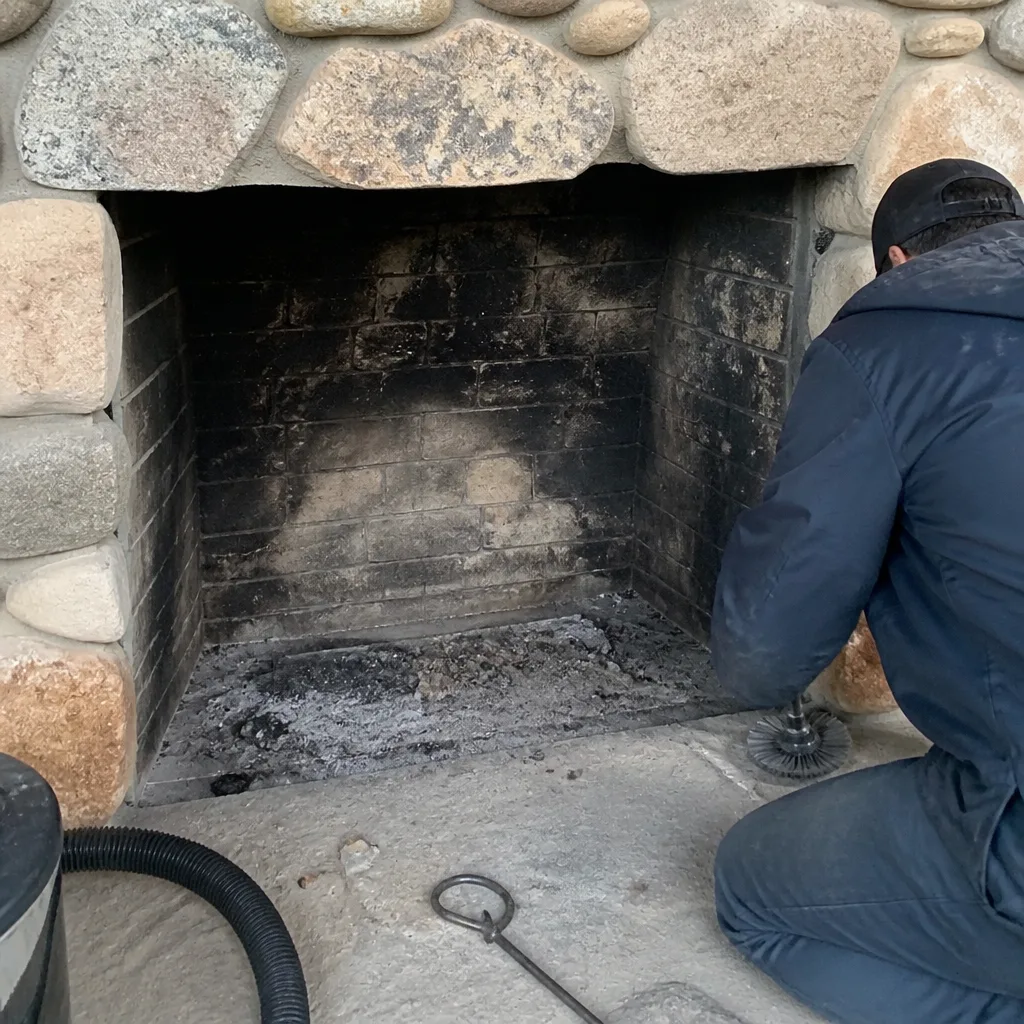
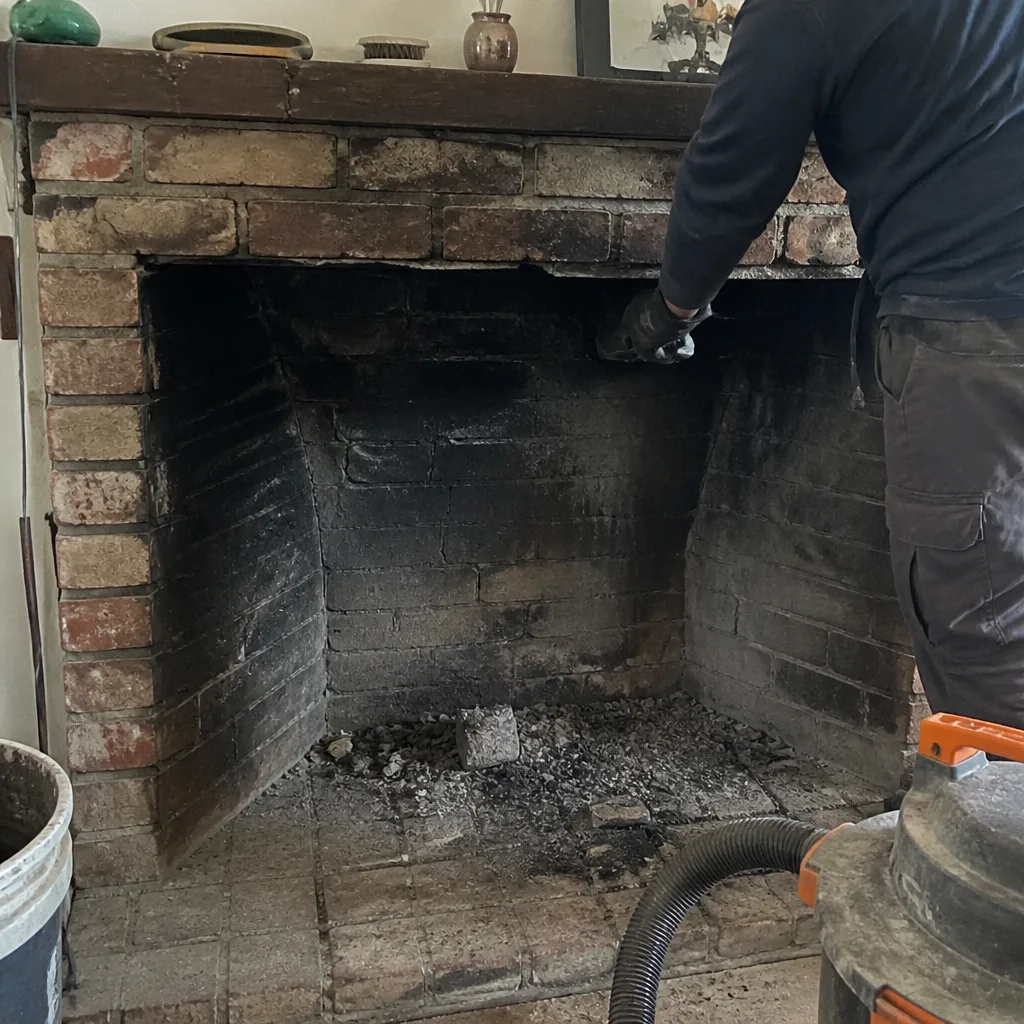 Before
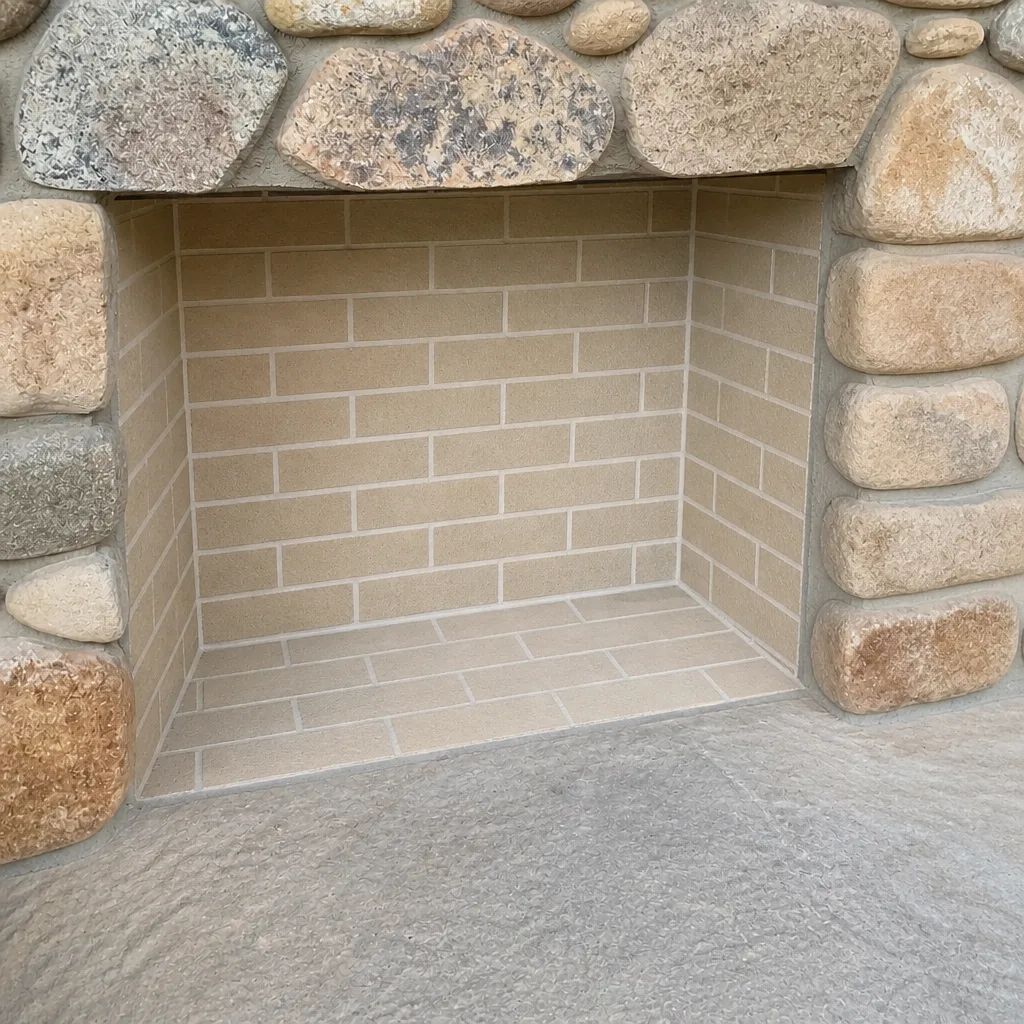
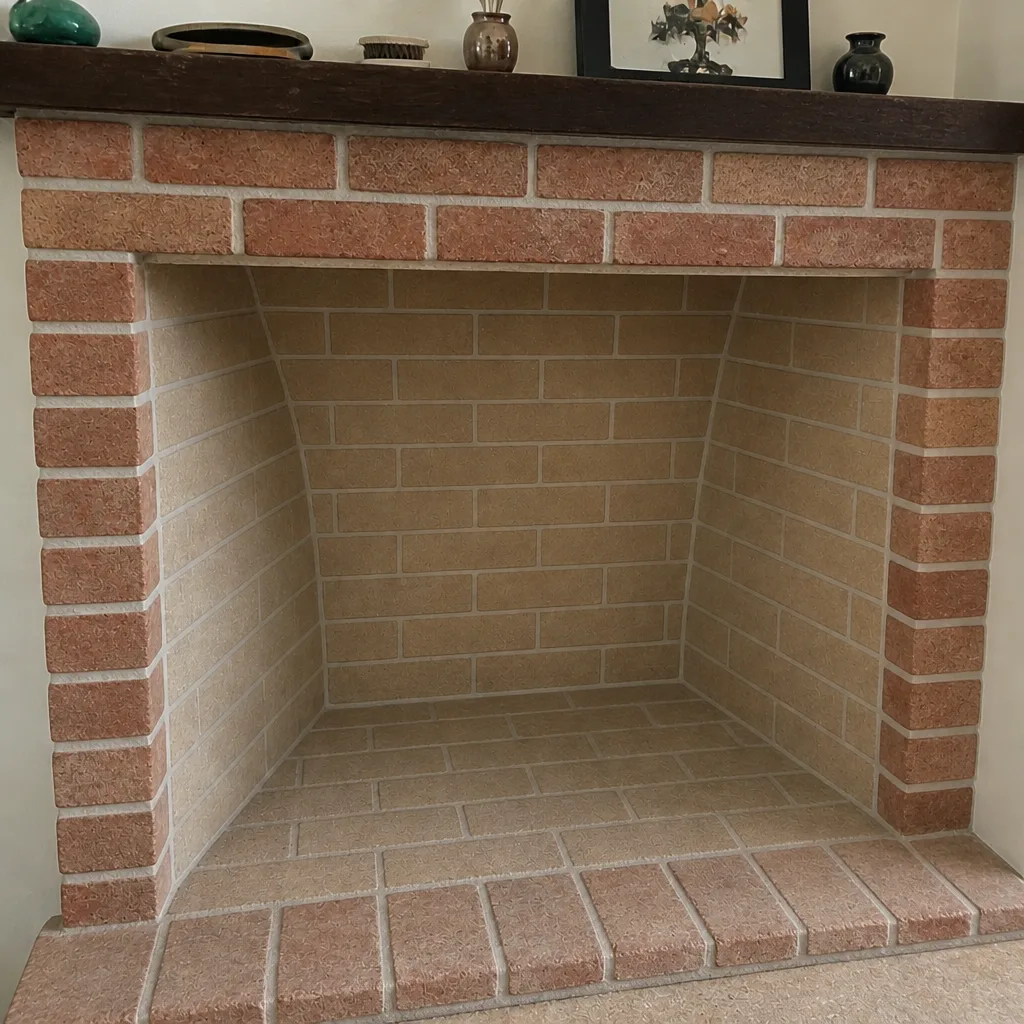 After
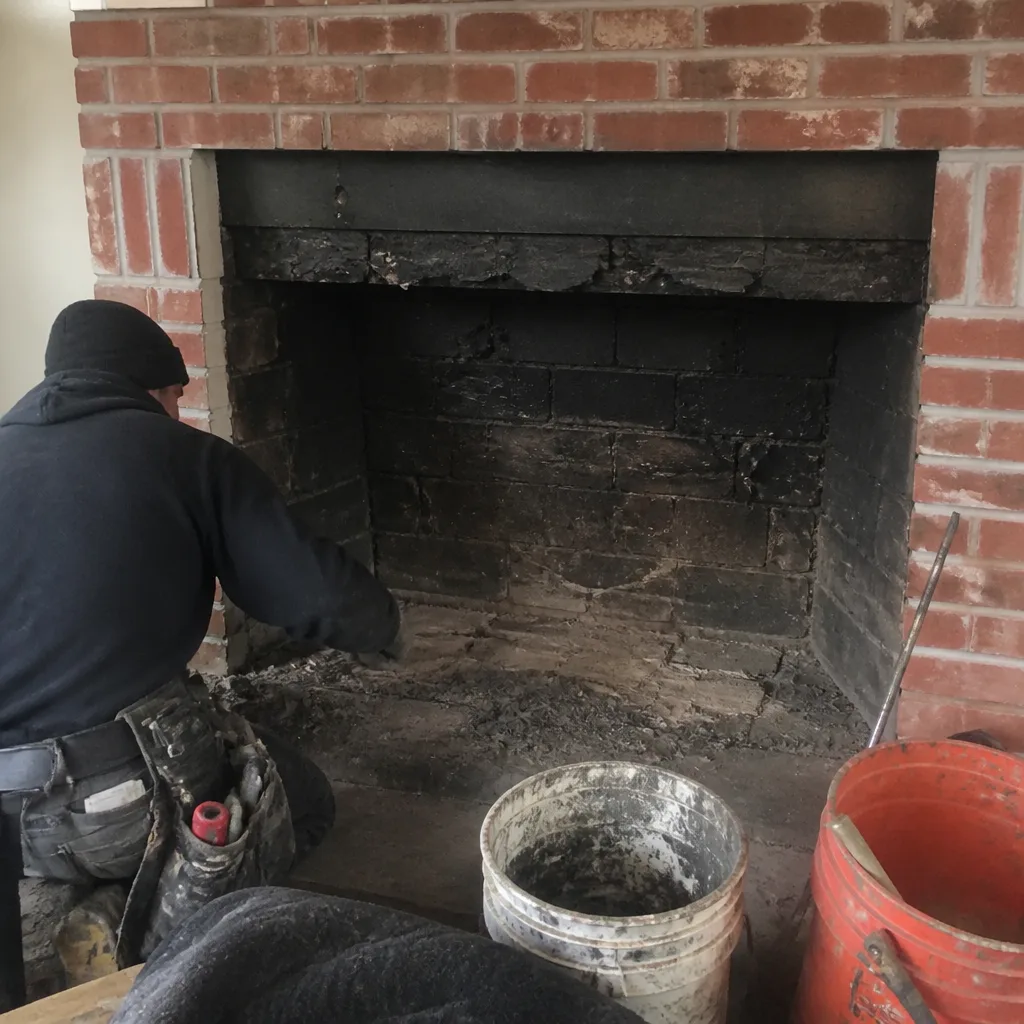 Before
 After
 Before
 After