
Last updated November 22, 2026
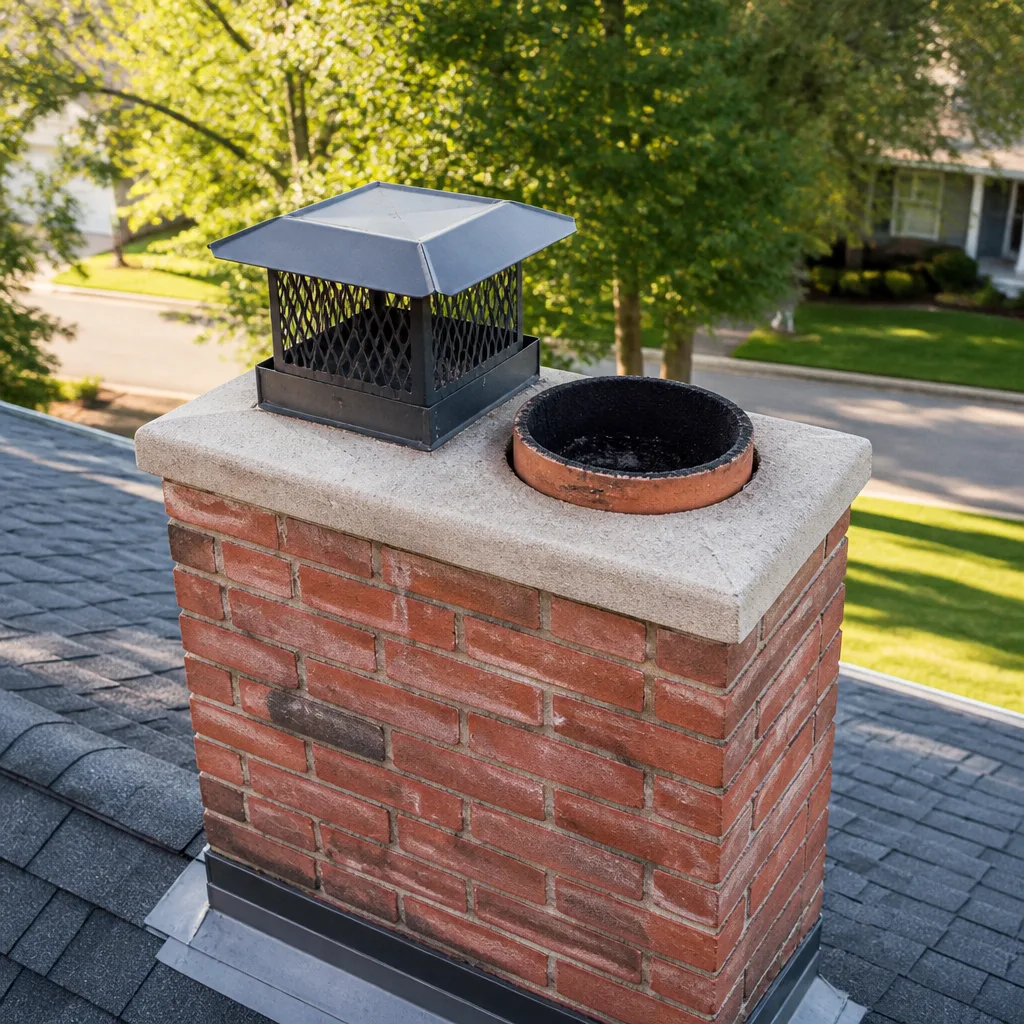 Sweep & inspection
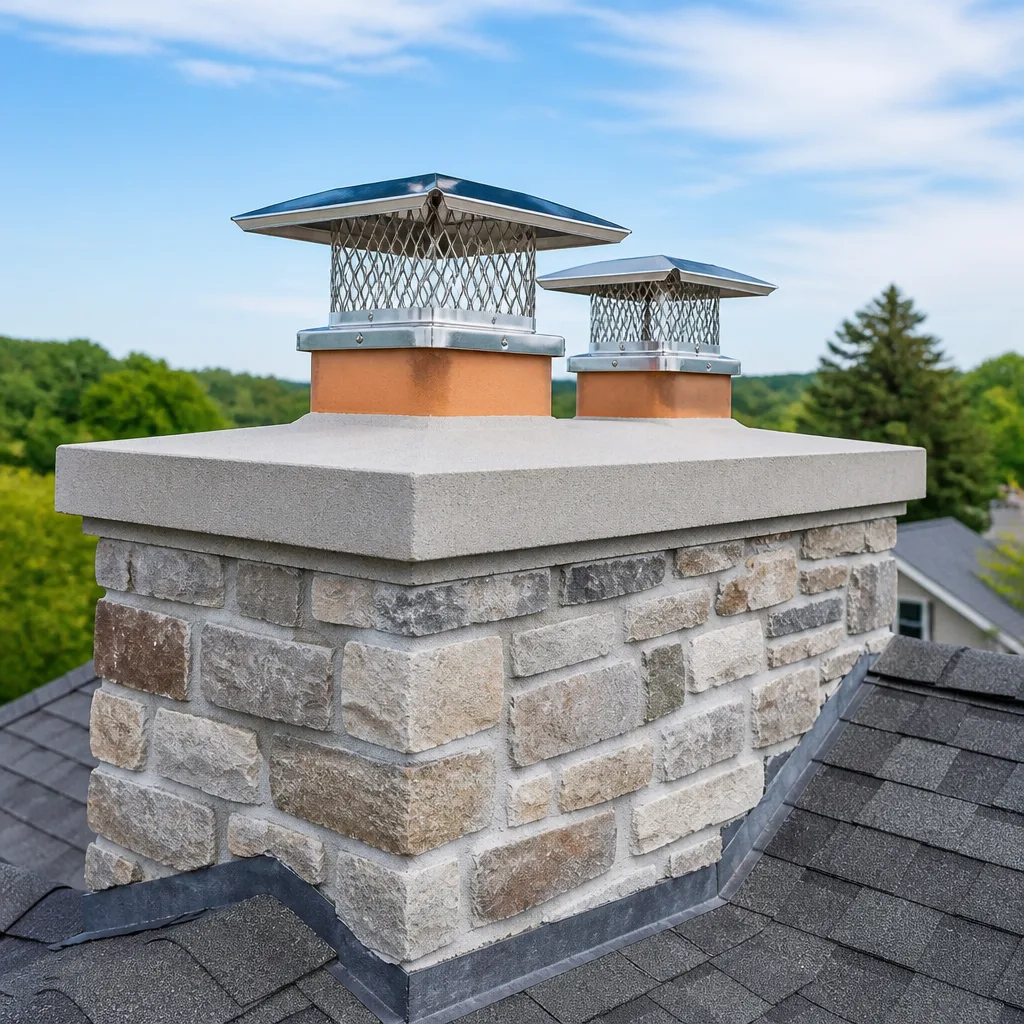 Caps & crowns
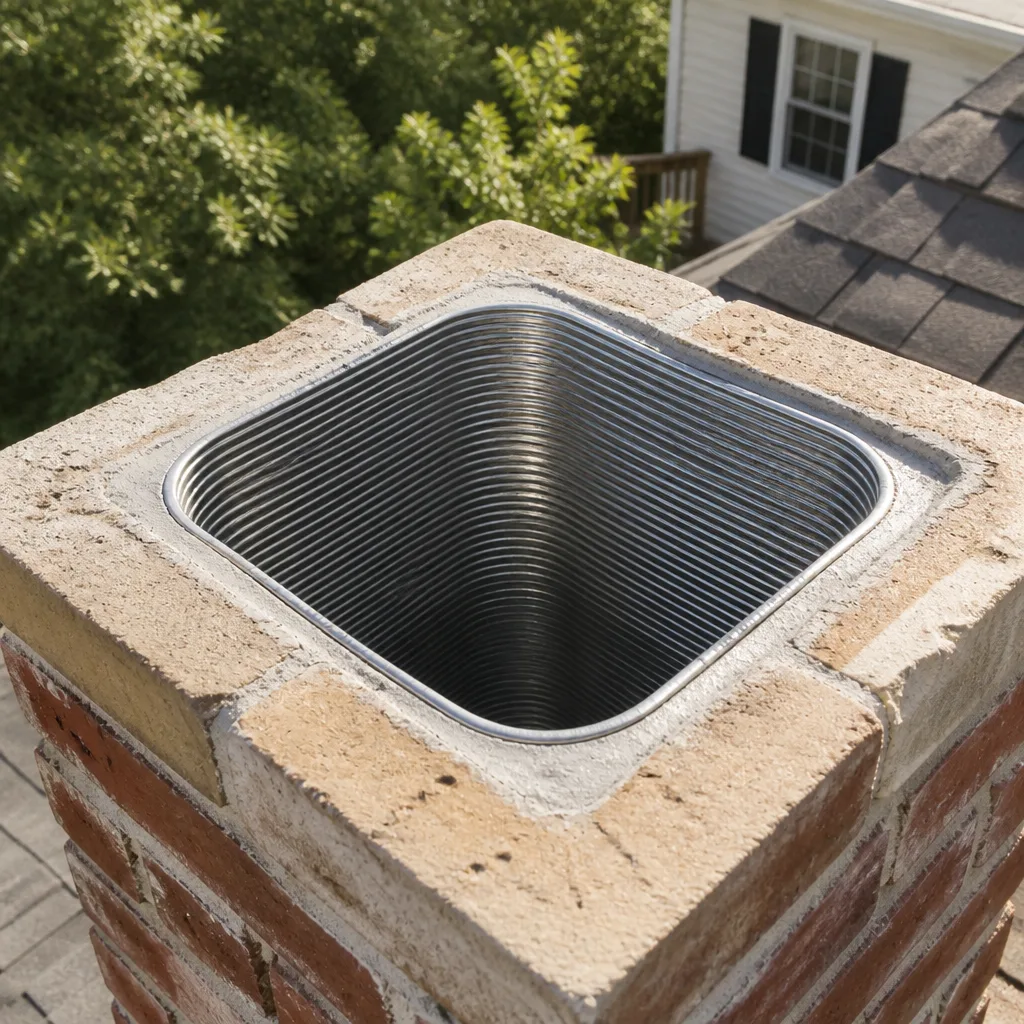 Flue relining
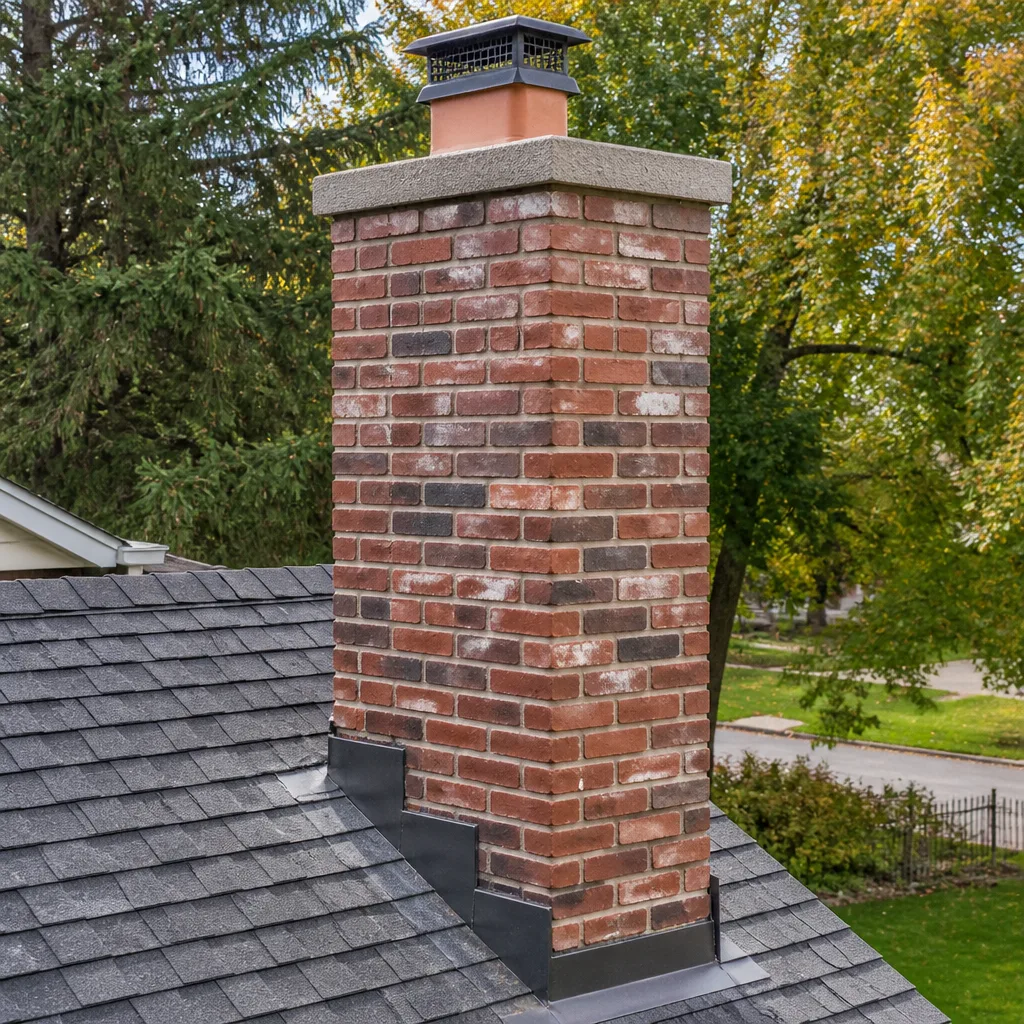 Masonry repair
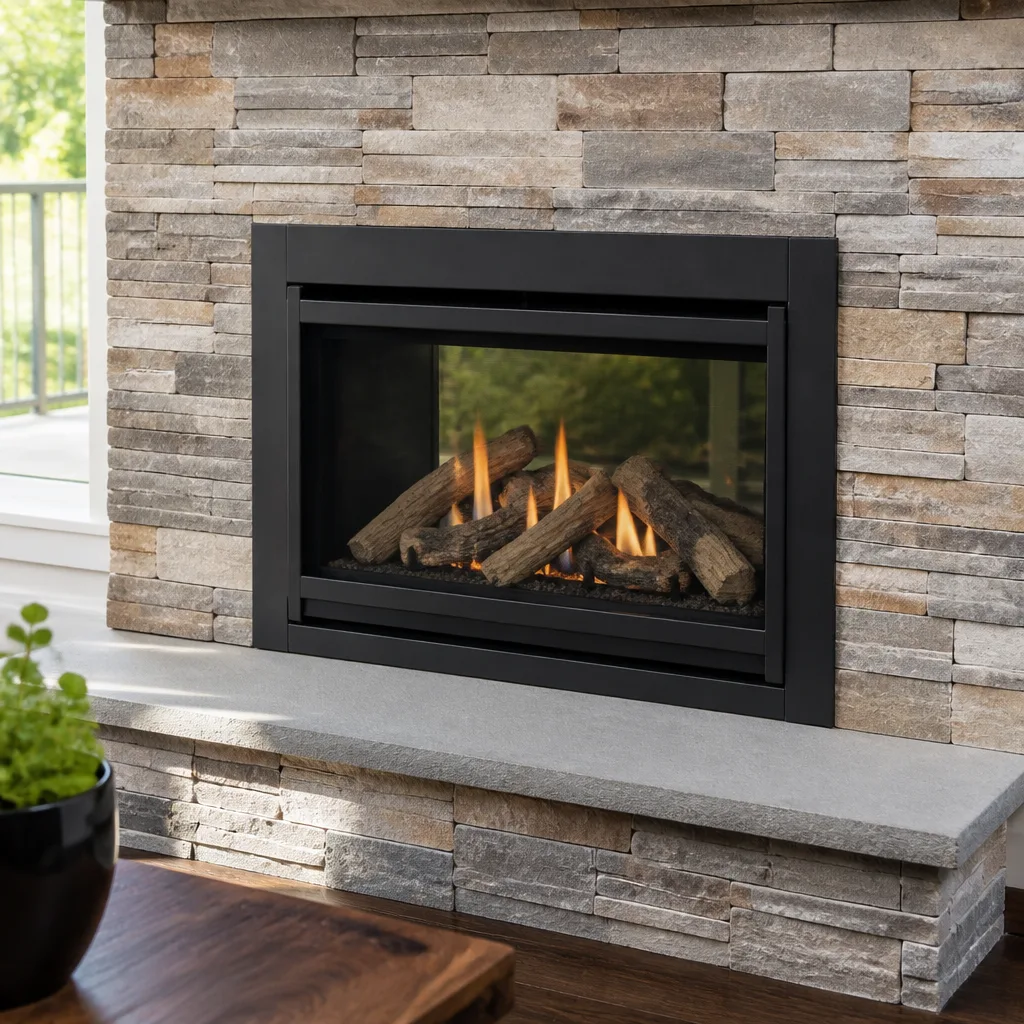 Gas fireplace service
Level 1 sweep and inspection to the NFPA 211 annual standard - flue, crown, cap, and flashing checked and photographed
Chimney sweep logs do not sweep chimneys. They loosen some creosote - which then falls where a brush and vacuum still have to collect it.
Chimney Cleaning Permits, Codes & Inspections in Venice, CA: What You Need to Know
Here’s the part of chimney work that catches homeowners off guard: routine cleaning and inspection almost never need a permit, but the moment the job shifts to a liner replacement, a firebox rebuild, or a new chase cover, California building codes and Los Angeles Fire Department requirements switch on. And a liner installed without the right permit isn’t just a paperwork problem – it can put a homeowner’s insurance coverage for a fire claim in question down the road. Most contractors don’t volunteer this. This guide walks the permit line section by section, from what a routine sweep skips to how to verify a structural permit through the city, what Title 24 means for a damper swap, and how to resolve unpermitted work before a sale. If you own a wood-burning or gas fireplace, this is the map.
Quick Answer
A standard chimney sweep and a Level 1 or Level 2 inspection in Venice, CA don’t require a permit. Structural and mechanical work – liner replacement, firebox and masonry repair, chase cover and crown work, damper replacement – typically does require a building permit through the Los Angeles Department of Building and Safety (LADBS), and must meet LAFD clearance and Title 24 energy requirements. The permit line sits at the boundary between maintenance and construction, and it’s the contractor’s job to know which side a job falls on.
Styles & brands we work with
- Sweep & inspection
- Caps & crowns
- Flue relining
- Masonry repair
- Gas fireplace service
Table of Contents
- Where Exactly Is the Permit Line for Chimney Work in Venice?
- LAFD Clearance Requirements and Venice’s Housing Stock
- Title 24 and the Damper Question Nobody Asks About
- How to Verify a Contractor Pulled the Correct Permit
- Chimney Inspections: Levels 1, 2, and 3 Explained
- What If a Previous Owner Did Unpermitted Chimney Work?
- Red Tags, Stop-Work Orders, and What They Mean
- Venice-Specific Considerations for Chimney Owners
Where Exactly Is the Permit Line for Chimney Work in Venice?
The permit line separates maintenance from construction. Everything on the maintenance side can be done on a standard service call. Everything on the construction side needs a permit pulled through LADBS before work begins. The confusion comes from the middle ground: a job that begins as cleaning can reveal a cracked flue tile or a deteriorated firebox that pushes it across the line.
Here’s how we sort it in the field:
- No permit typically required: chimney sweeping, Level 1 inspection, Level 2 camera inspection, cap replacement (like-for-like swap in some cases), minor mortar repointing on the smoke chamber, bird-screen replacement.
- Permit almost always required: full liner replacement (DuraFlex or otherwise), firebox rebuild, masonry repair to the chimney stack, crown replacement with structural changes, chase cover installation on a factory-built fireplace, damper replacement (Title 24 is the reason – more below).
The key word is “structural.” If the work changes how the chimney contains fire or how it carries exhaust, assume a permit is in play. A stainless liner swap changes the flue itself – that’s a permitted job. A cap swap that uses the existing chase doesn’t. Knowing the difference keeps a small repair from becoming an unpermitted alteration, and it keeps a permitted job from getting rubber-stamped as maintenance.
For homeowners who want a plain answer from a specialist rather than a general contractor, we scope the job first, then tell you which side of the line it falls on before we touch anything. From annual sweep to full chimney repair – one specialist, complete care.
LAFD Clearance Requirements and Venice’s Housing Stock
Venice’s residential lots are tight, and the housing stock is old – Craftsman bungalows, 1920s Spanish-revival cottages, and mid-century rebuilds sit close together on narrow parcels. That density matters for chimney clearance, because the LAFD sets minimum separation distances between a chimney termination and combustible materials, roof surfaces, and neighboring structures. On a wide suburban lot, those clearances are easy to meet. On a Venice parcel where a neighbor’s roofline comes within a few feet of yours, they aren’t.
The clearances the fire code cares about at the chimney termination are roughly:
- Vertical clearance above the roofline at the point of termination.
- Horizontal clearance to any combustible material within a defined distance of the flue outlet.
- Separation from adjacent walls, dormers, and neighboring structures that could ignite if the flue exhausts embers.
We don’t quote exact distances here because they depend on the appliance type, flue diameter, and roof assembly – a wood-burning masonry fireplace and a gas direct-vent insert have different rules. What we do say is this: in Venice, a chimney cap or crown that pushes the termination closer to a neighbor’s roof or a nearby tree canopy is a real clearance issue, not a theoretical one. That’s part of why we treat chimney cap & crown work as a preventive service rather than an accessory – the cap protects everything below it, and its placement affects how the flue vents relative to nearby combustibles.
If you’re looking at a cap replacement or a crown rebuild and you’re unsure whether the current termination meets clearance, that’s the conversation to have before any material is ordered.
Title 24 and the Damper Question Nobody Asks About
This is the part almost no chimney company brings up. California’s Title 24 energy code applies to what happens at the top of the firebox, not just to HVAC and windows. A damper that leaks – top-sealing or throat – lets conditioned air escape up the flue when the fireplace isn’t in use. Replace it with the wrong part and you’ve just undone a Title 24 compliance point on the whole assembly.
What that means in practice:
- A damper replacement isn’t a “swap the metal flap” job – it’s a code-relevant alteration that needs the correct top-sealing or gasketed damper for the appliance type.
- A chase cover upgrade on a prefab fireplace (the metal lid that caps the chase) has the same issue: an unsealed or improperly vented cover can undo envelope performance and fail an inspection.
- If a home was built or substantially remodeled under a recent Title 24 cycle, the damper and chase assembly may be part of the documented compliance package. Altering it without a paper trail can cause headaches at resale.
We bring this up because the client rarely does. When we quote a damper or chase cover job, we name the code connection up front, so the homeowner knows we’re not just selling a part – we’re making sure the fireplace stays compliant with the energy code that governs the rest of the house. In a Venice bungalow where a fireplace is decorative half the year and functional the other half, a properly sealing damper also does real work on the gas bill.
How to Verify a Contractor Pulled the Correct Permit
You don’t have to take a contractor’s word that a permit was pulled. Los Angeles makes the record public through LADBS, and running the lookup takes five minutes. Here’s the process step by step:
- Get the address and scope in writing. Before work begins, ask for a written scope that names the permit type and the permit number if one has already been issued.
- Go to the LADBS online permit search. Enter the property address. Any active or issued permit on the property will show up, including the scope, the contractor of record, and the status.
- Check the scope matches the work. A permit for “fireplace alteration” doesn’t cover a full liner replacement. If the description is vague or wrong, ask for a corrected permit before work proceeds.
- Check that the contractor on the permit is the contractor doing the work. If the name doesn’t match, find out why.
- Request the final inspection sign-off when the job is done. A permit that’s never closed out is still an open item at resale.
If a contractor tells you permits aren’t needed for a liner replacement or a firebox rebuild, ask them to put that in writing. If they won’t, that’s the answer you needed. For structural work, the permit is the contractor’s responsibility, not yours – but verifying it is the homeowner’s right, and doing so protects everyone.
This is also where a standalone inspection proves its worth. When you book an inspection as a standalone service – no repair attached – you get the flue’s actual condition documented, which tells you what permits the next job will need before you commit to any contractor.
Chimney Inspections: Levels 1, 2, and 3 Explained
Not all inspections are the same, and the level you need depends on what happened and what you’re planning. Here’s the plain breakdown:
- Level 1: A visual inspection of the readily accessible portions of the chimney and fireplace. This is what comes with an annual sweep. It’s appropriate when the appliance and connection haven’t changed.
- Level 2: Everything in a Level 1, plus a video camera inspection of the flue interior, the smoke chamber, and the firebox. Required whenever you’re changing appliance type, adding an insert, buying or selling the home, or after a chimney fire or a seismic event. This is where a cracked flue tile shows up before it becomes a liner job.
- Level 3: Everything in a Level 2, plus removal of components – a crown, a wall section, portions of the chase – to access areas otherwise hidden. Reserved for a suspected hazard that a Level 2 can’t resolve.
Most Venice homeowners only need a Level 1 in a normal year and a Level 2 at a transition point: buying, selling, adding a stove insert, or moving in a new appliance. That logic works because it matches what the standards recognize. It’s also why we offer chimney inspection as a standalone service – the inspection is the first step, not a sales pitch. If the flue’s fine, we tell you so and you can decide what to do with that. If it isn’t, the video footage and the photo report make the case for you, not for us.
What If a Previous Owner Did Unpermitted Chimney Work?
This is more common in Venice than homeowners expect. Older bungalows get sold a few times, and somewhere along the line a chimney cap was welded on, a firebox was re-lined, or a liner was dropped in without a permit. California’s seller disclosure requirements make material unpermitted work something you either disclose or remedy – and a chimney is material. If the liner or firebox is unpermitted and undisclosed, the buyer’s inspector can flag it, which stalls a close of escrow at the worst possible moment.
Here’s the path to resolve it before you sell (or after you find it as a buyer):
- Get a Level 2 inspection. Document the flue condition with video and photos. That’s your factual starting point.
- Assess whether the work is code-compliant as installed. Unpermitted isn’t always unsafe – some unpermitted installations still meet the standard. A HeatShield ceramic resurfacing, for instance, can restore a flue even where a previous liner job was incomplete. The difference is whether you can document what’s inside.
- Determine the permit path. Some unpermitted work can be legalized through a permit pulled now; some requires redoing it. LADBS can tell you which path applies to the specific alteration.
- Complete the permitted work and get final sign-off. File the permit, do the work, close it out. The document trail is what buyers, lenders, and insurers will look for.
- Disclose and document. Any work done, permitted or not, should be disclosed – and the permit close-out is the cleanest proof.
Ceramic resurfacing with HeatShield can be a legitimate repair pathway in situations like this because it restores the flue’s interior surface without the cost of a full liner replacement. It isn’t right for every flue, and we say so when a liner is the actual answer. The point is that unpermitted work doesn’t automatically mean a full rebuild – it means the flue needs to be documented first.
Red Tags, Stop-Work Orders, and What They Mean
If an LADBS inspector visits and finds work being done without a permit, the response is a stop-work order. If the LAFD finds a chimney that doesn’t meet fire clearance or shows signs of an unsafe condition, the response can be a red tag on the appliance – meaning the fireplace or stove isn’t cleared to be used until the issue is resolved. Neither one is uncommon in older Venice homes where chimney conditions have aged out of spec without anyone noticing.
What happens when a red tag or stop-work order lands:
- Stop using the appliance. A red tag is a fire-safety finding, not a paperwork annoyance. Burning wood in a red-tagged chimney is exactly the risk the tag exists to prevent.
- Identify the underlying condition. That’s a Level 2 inspection if the finding is interior, or a Level 3 if the problem is behind the crown or chase.
- Pull the correct permit and complete the repair. The permit and the repair are the same job at this point.
- Get the final inspection. The tag comes off when the inspector signs off, not when the work is finished.
The good news: a red tag is resolvable, and in our experience it’s almost always a better outcome than the alternative. A small spark arrestor failure caught early is a small repair. The same failure caught late is a chimney fire. If you’ve got a red tag in hand, book the inspection first and the repair second.
Venice-Specific Considerations for Chimney Owners
Venice is mild in winter, which changes the risk profile of a chimney here in ways an owner coming from a colder climate won’t anticipate. A fireplace that’s used a handful of times a year produces creosote more slowly than one burning daily, but it still produces it. The mildness also means chimneys sit idle for long stretches – and idle chimneys are the ones where water intrusion, nesting birds, and slow masonry deterioration go unnoticed between uses. A cap that’s been leaking for two seasons is a chimney repair job, not a cap replacement, by the time anyone looks.
Venice’s older housing stock compounds that:
- Craftsman and bungalow chimneys were often built with single-wythe masonry that has had decades to crack and spall. A crown that’s cracked and letting water behind the stack does more damage than most homeowners realize, and the fix isn’t cosmetic.
- Seismic exposure is real in Venice, and masonry chimneys are heavy. A chimney that’s been through decades of minor settling can have cracks in the mortar joints and clay tile liners that only a Level 2 camera inspection catches.
- Additions and remodels are common in Venice – a kitchen bump-out or a second story often moves the roofline relative to the chimney and can compromise the clearance the original chimney met.
- Prefab fireplace chases installed in mid-century rebuilds often have factory chases with sealed covers that need to stay sealed. Installing non-factory parts on them can create a Title 24 or clearance issue.
We work with the trade-standard materials that meet these conditions – DuraFlex flexible liner systems for relining aging flues, HeatShield for ceramic resurfacing, Copperfield and Gelco for the component work around them – because the trade uses them for a reason. From annual chimney sweep to the structural repair above it, the scope is one specialty, and it stays that way. When we scope a job in Venice, the permit question and the material choice get worked out together, because on an older chimney they’re the same decision.
Common Mistakes to Avoid
- Assuming cleaning is the same as inspection. A sweep clears the flue; an inspection evaluates it. The permit and safety findings come out of the inspection, not the brush. Book them as separate steps.
- Letting a general contractor handle chimney work. Structural chimney work needs someone who pulls chimney permits routinely and knows which jobs trigger one. A general contractor learning on your chimney is an expensive way to find out the difference.
- Skipping the Title 24 conversation on damper replacement. A damper swap that meets code for the appliance type also needs to meet Title 24 for the envelope. Ask about it before work begins, not after.
- Ignoring a red tag or a stop-work order. Both mean stop using the appliance. Burning in a red-tagged chimney is a fire-safety risk, not a way to test whether the tag was necessary.
- Buying or selling a Venice bungalow without a Level 2 inspection. Unpermitted liner work and aging masonry are common enough in the older housing stock that skipping the inspection is a gamble on what the buyer’s inspector will find.
- Replacing a crown without checking clearance. A new crown that alters the chimney termination can throw off LAFD clearance on a narrow Venice lot. The clearance check comes before the material order.
- Believing “permits aren’t needed” for a liner replacement. They almost always are in Los Angeles. If a contractor won’t put the claim in writing, that’s a red flag worth listening to.
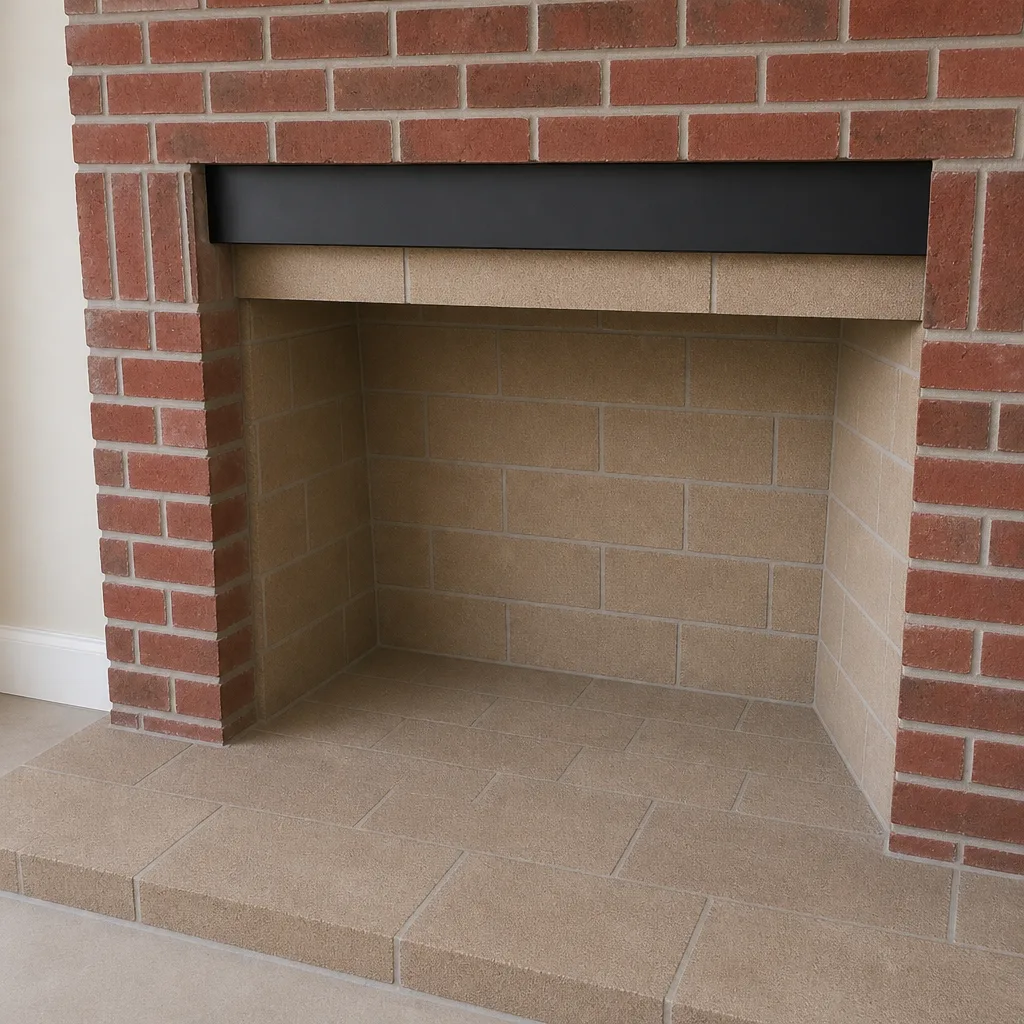
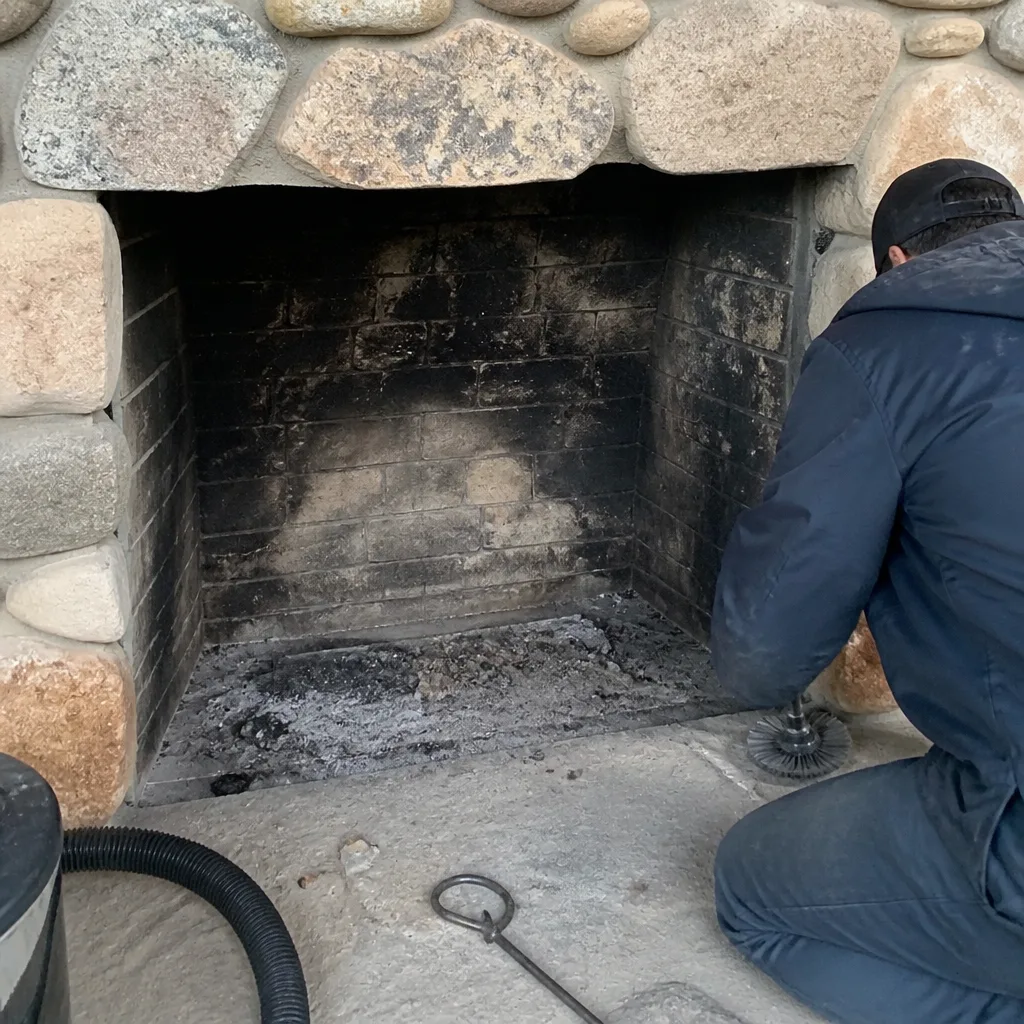
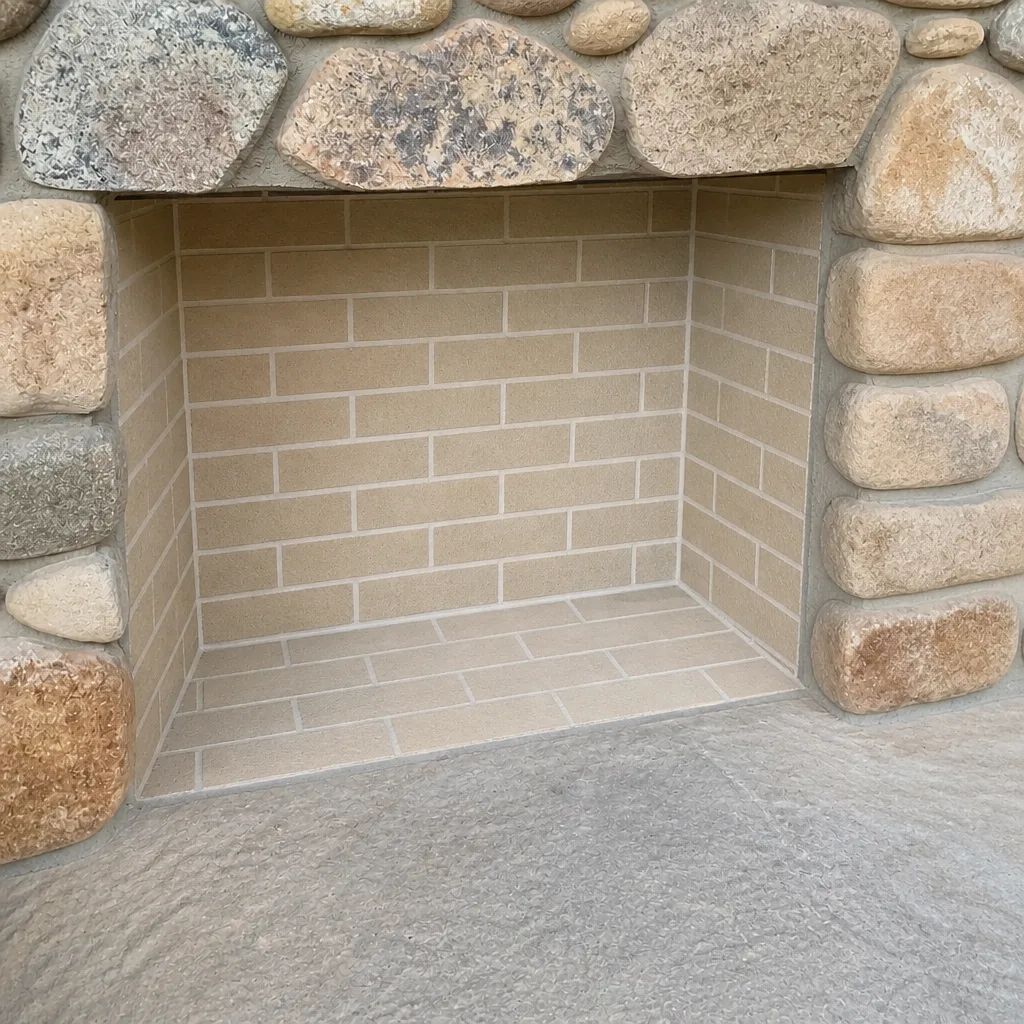
See the difference
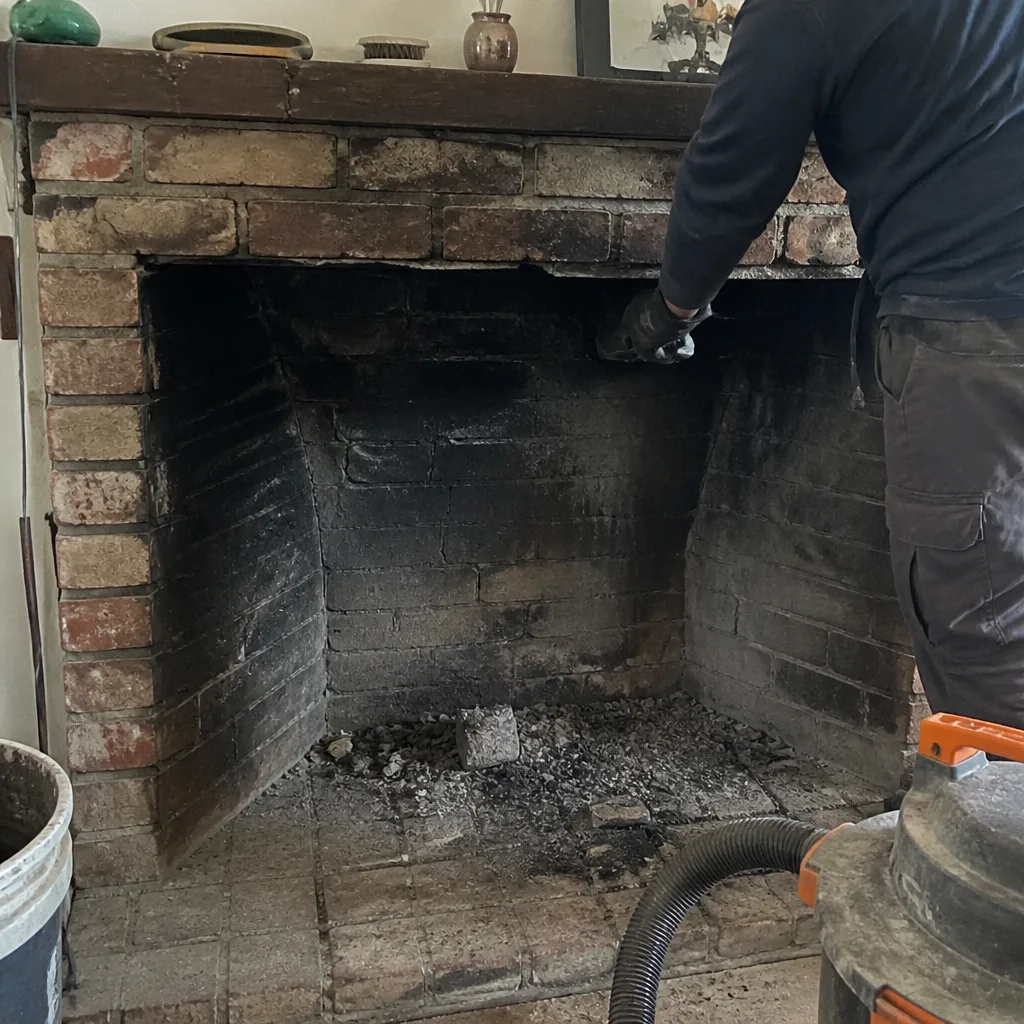 Before
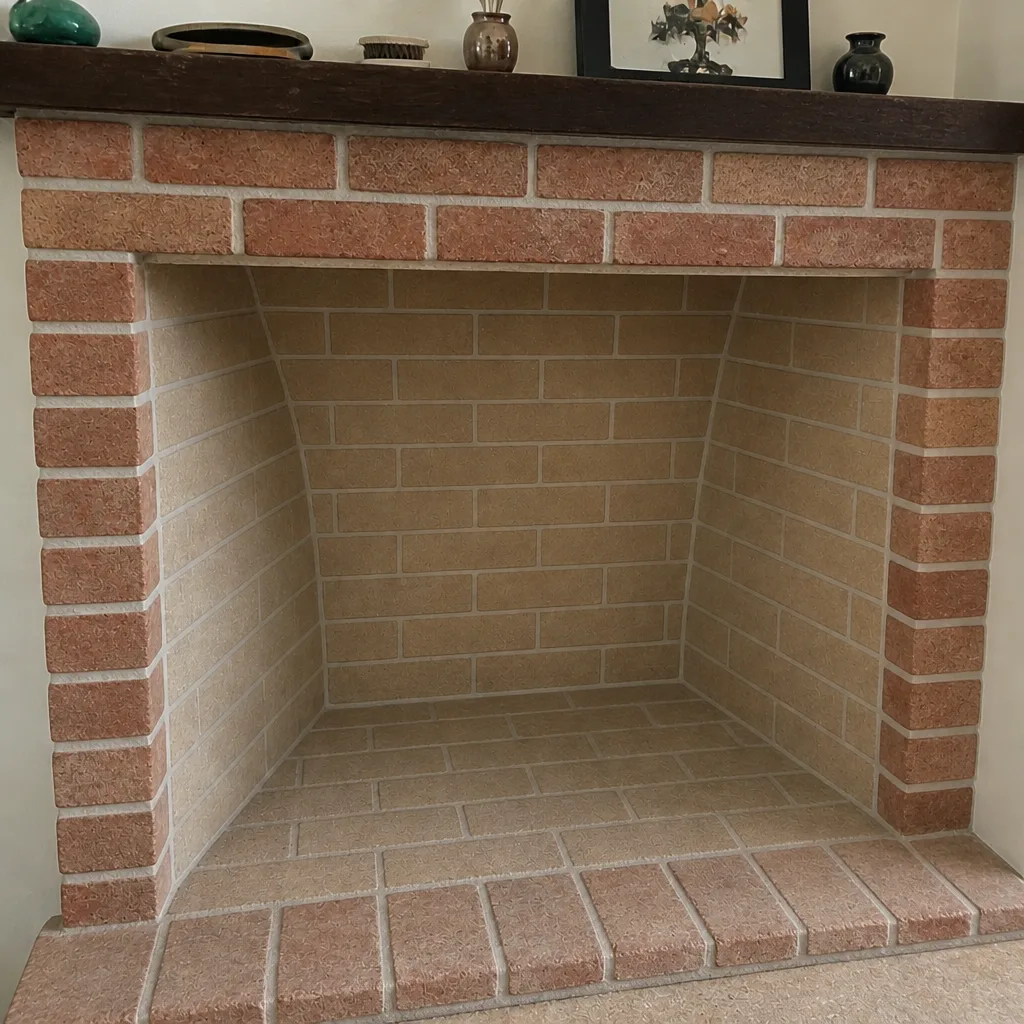 After
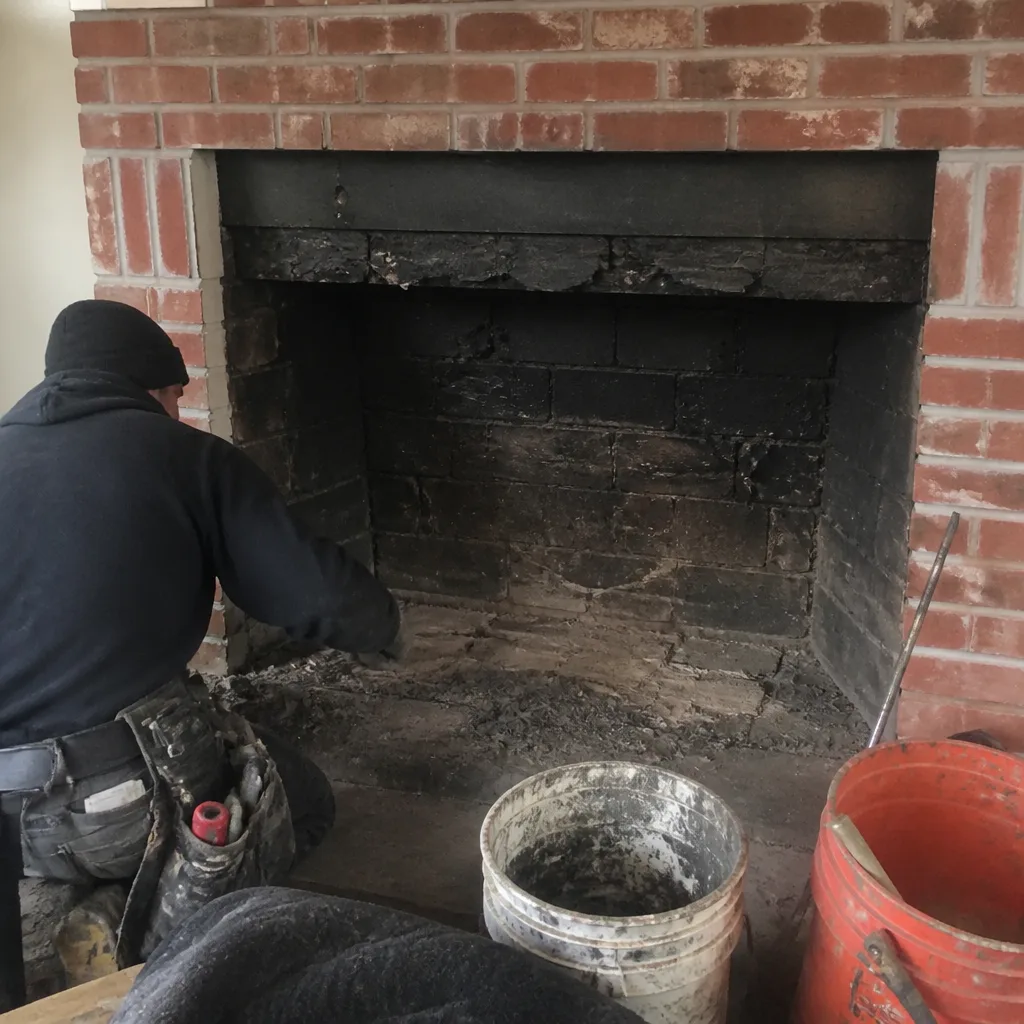 Before
 After
 Before
 After
When to Call a Professional
Call a chimney specialist when the work crosses from maintenance into structural, when a stop-work order or red tag has been issued, when you’re buying or selling a Venice home with an older fireplace, or when you’re unsure whether the permit question applies to the job you’re considering. Also call when an inspection is the standalone service you actually need – because a chimney inspection is the first step, not a sales pitch, and no repair work has to come with it. Our technicians have up to 13 years of experience, and we offer free estimates in Venice for the permitted structural work as well as the routine sweep. Call (833) 725-4278 to book an inspection or scope a job that starts with a permit question.
Frequently Asked Questions
No. A standard chimney cleaning and a Level 1 or Level 2 inspection in Venice don’t require a permit from the Los Angeles Department of Building and Safety. The permit requirement applies to structural work – liner replacement, firebox repair, chase cover and crown work, and damper replacement – not to cleaning. If you’re not sure which category your job is in, the inspection is the step that clarifies it. Call (833) 725-4278 for an exact quote – estimates are free.
Yes, a chimney liner replacement typically requires a building permit through LADBS. The liner is part of the flue’s containment system, and changing it is a construction alteration, not a maintenance item. A liner installed without a permit can complicate an insurance claim if there’s a subsequent fire, so the permit isn’t paperwork for its own sake. Call (833) 725-4278 to scope a liner job before work begins.
A standard sweep in Venice is quoted per job by a written estimate, with the price confirmed before we book – we don’t publish a flat local rate because the job varies by access, appliance type, and condition. The estimate is free, and a sweep that turns up a structural finding gets scoped for the permit question before anything else. Call (833) 725-4278 for an exact quote – estimates are free.
Use the LADBS online permit search at the property address. Any issued permit shows up with its scope, the contractor of record, and the status. Check that the scope matches the work and that the contractor on the permit is the contractor doing the job. Request the final inspection sign-off when the work is finished, because an open permit is still an open item at resale.
Start with a Level 2 inspection to document the flue’s actual condition with video and photos. From there, determine whether the existing installation meets code – some unpermitted work is safe as installed – and whether LADBS will allow it to be legalized through a permit pulled now. California seller disclosure requirements make material unpermitted work something to disclose or remedy. Call (833) 725-4278 to book the inspection that starts the process.
Yes. A standalone chimney inspection is available as a separate service, with no repair attached. That’s deliberate: the inspection documents the flue’s condition with camera video and a photo report, and you decide what to do from there. If the flue can safely wait, we tell you so, and if it can’t, the evidence makes the case. Call (833) 725-4278 to book an inspection in Venice.
Stop using the appliance, and book the inspection that identifies the underlying condition. A stop-work order from LADBS means the permit issue has to be resolved before work continues; a red tag from LAFD means the fireplace isn’t cleared for use until the safety finding is fixed. The tag comes off when the work is permitted, complete, and final-inspected.
The Bottom Line
Chimney cleaning and inspection in Venice sit on the no-permit side of the line. Structural work – liner replacement, firebox repair, crown and chase cover upgrades, damper replacement – sits on the LADBS-permit side of it, with LAFD clearance and Title 24 requirements layered in on top. The single most useful habit a homeowner can build is to ask, before the job starts, which side of that line it falls on, and to check the LADBS permit record for themselves. A tile roof, an older Craftsman chimney, and a narrow Venice lot make that question more important here than in most places. When you’re ready for a specialist who scopes the permit question first and handles the full scope of Chimney Sweep Venice, we’re one call away.
Contact
If you need a sweep, an inspection, or a straight answer on whether a chimney job needs a permit, call Chimney Sweep Venice at (833) 725-4278. We offer free estimates in Venice, we’ll scope the permit question before any material is ordered, and we’ll tell you plainly when work can safely wait. From annual sweep to full chimney repair – one specialist, complete care.
Written by the team at Chimney Sweep Venice.