
Last updated November 22, 2026
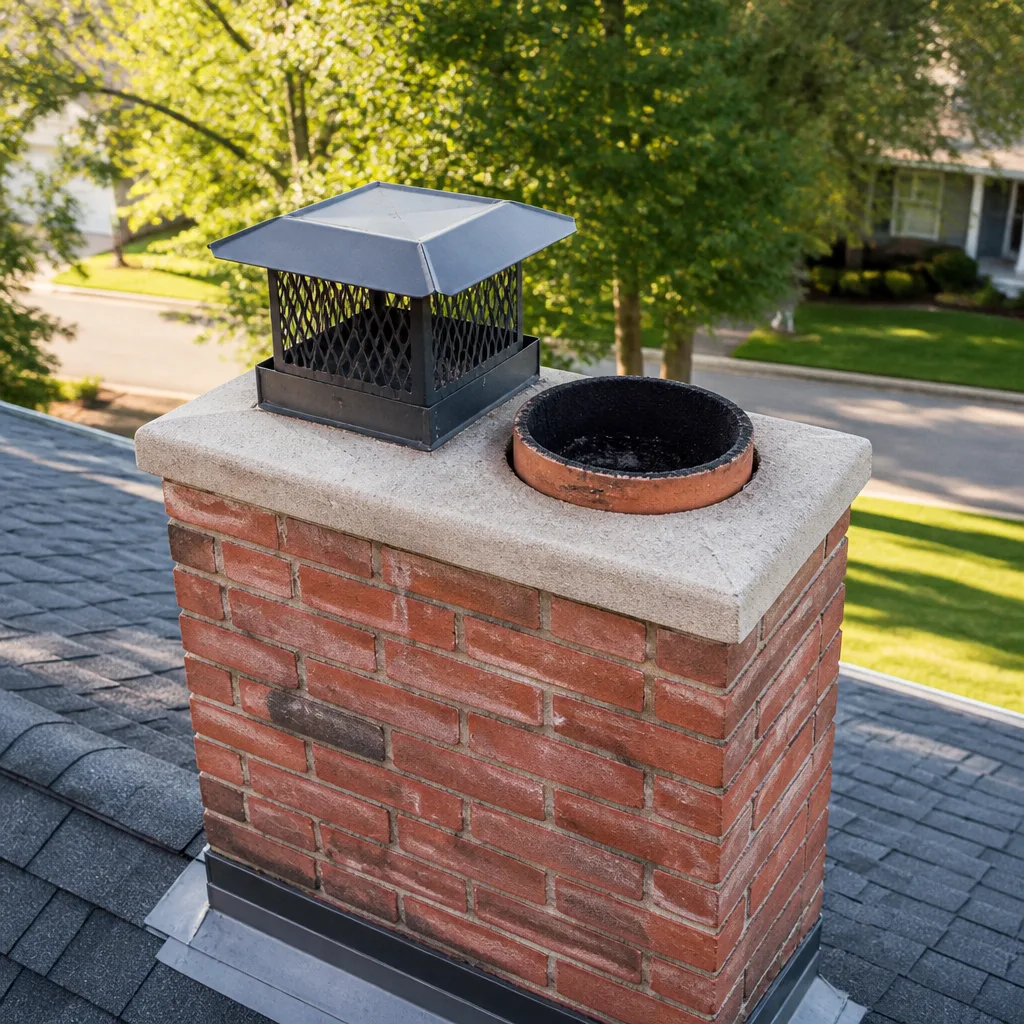 Sweep & inspection
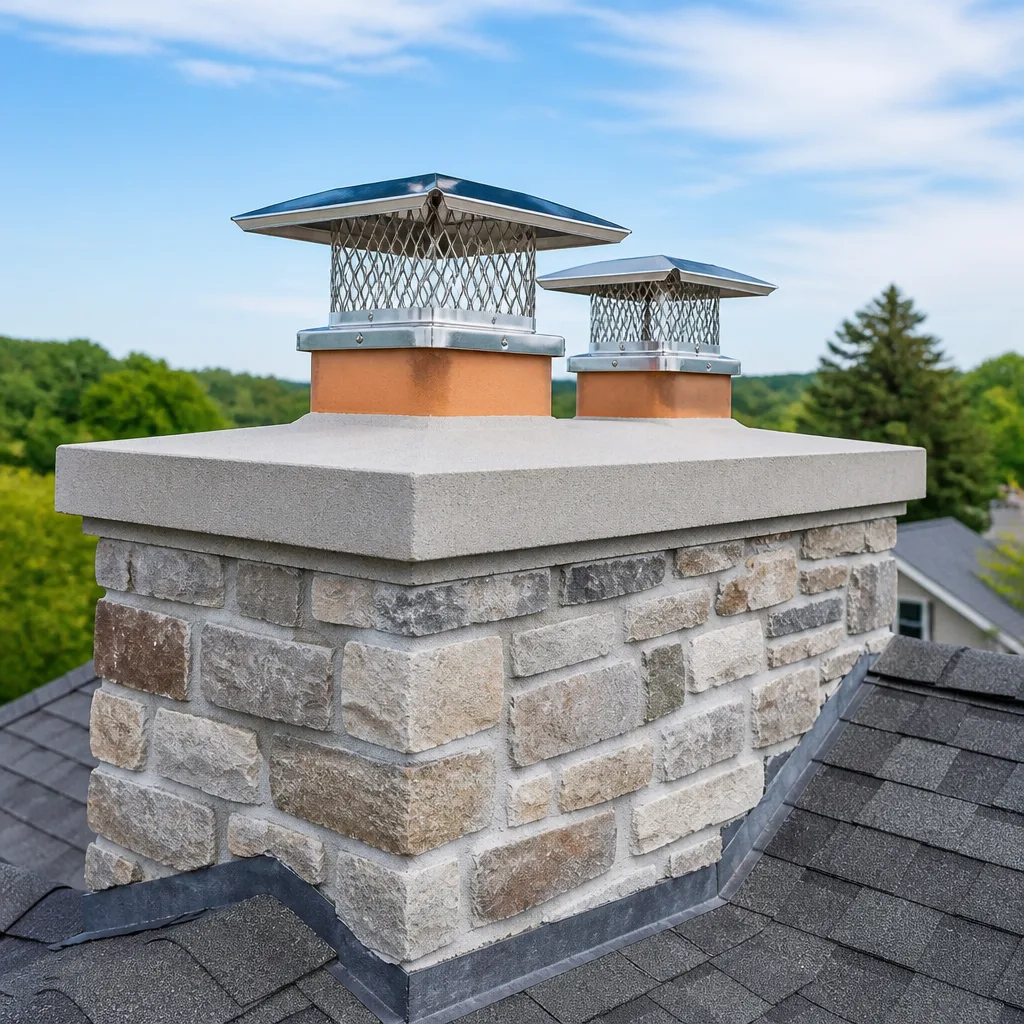 Caps & crowns
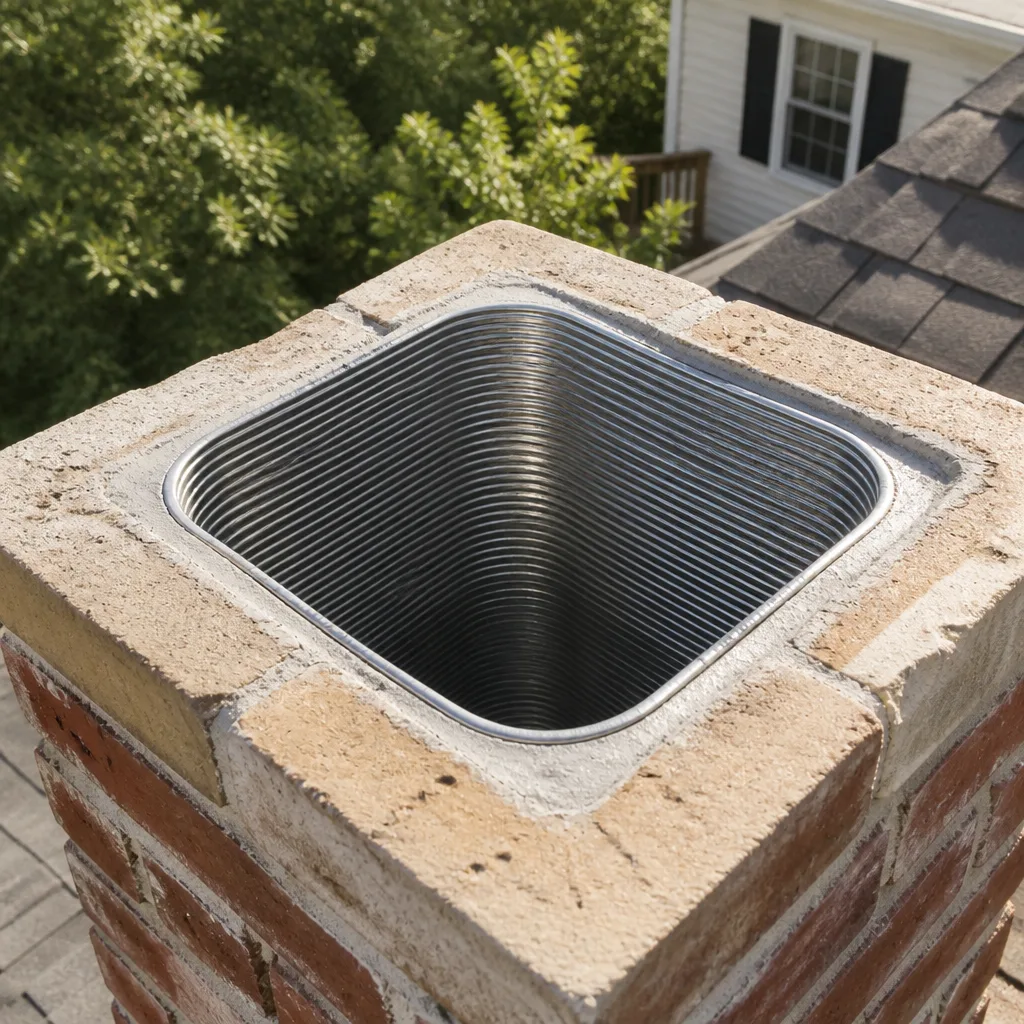 Flue relining
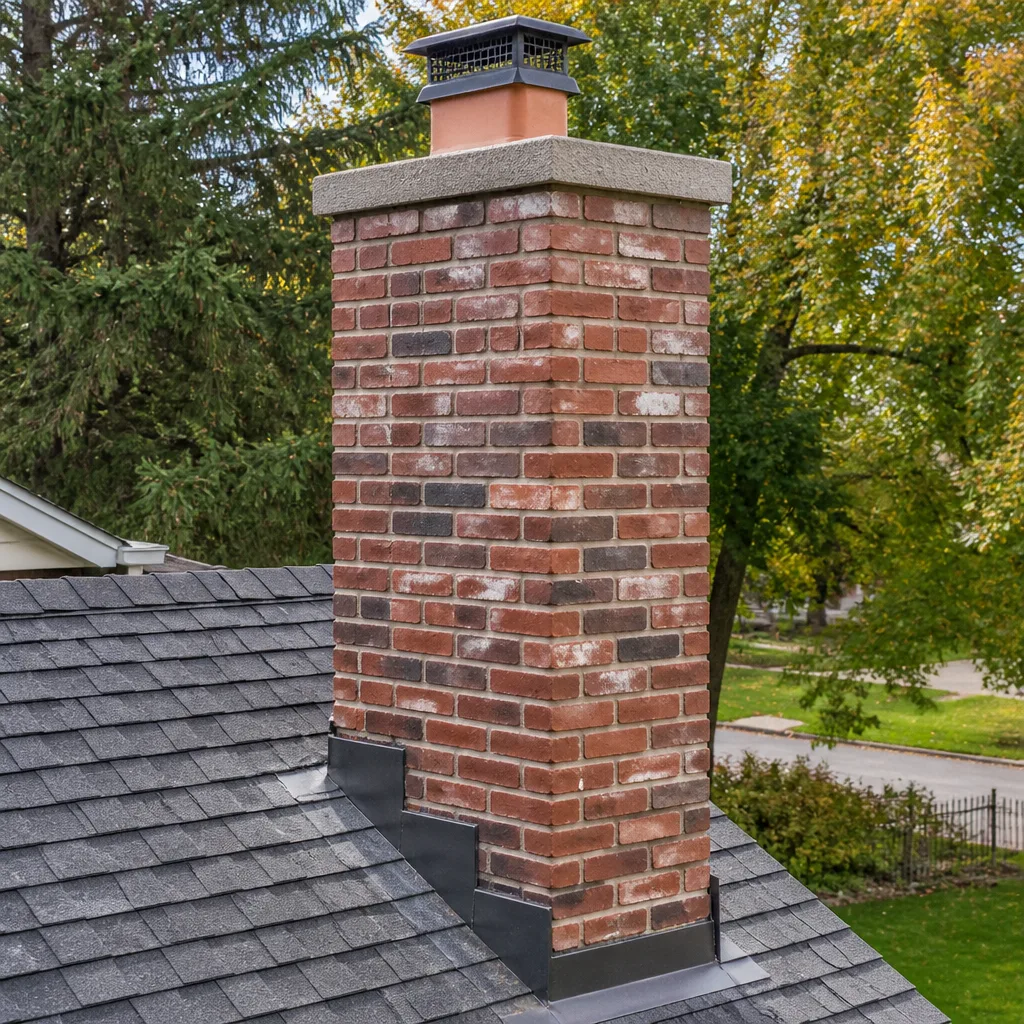 Masonry repair
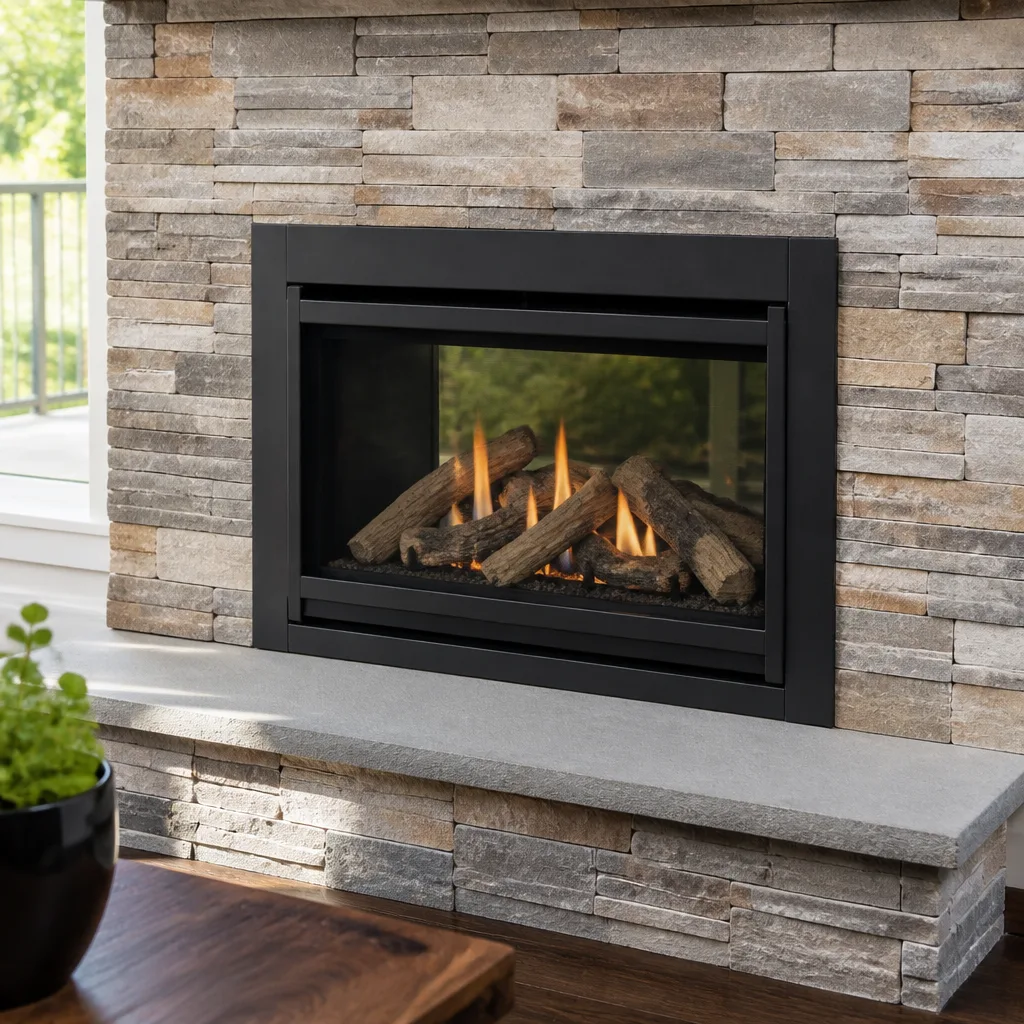 Gas fireplace service
Level 1 sweep and inspection to the NFPA 211 annual standard - flue, crown, cap, and flashing checked and photographed
Chimney sweep logs do not sweep chimneys. They loosen some creosote - which then falls where a brush and vacuum still have to collect it.
Chimney Cleaning Warning Signs: A Venice Homeowner’s Reference Guide
Most chimney warning signs get described in ways homeowners can’t actually use. “Look for creosote buildup” tells you nothing if you don’t know what heavy creosote looks like or where to look. “Watch for moisture damage” is meaningless from the sidewalk. So this guide takes a different approach: it translates each red flag into what it looks, smells, and sounds like in a Venice home, room by room and roofline by roofline, so you can tell the difference between a sign that can wait for a scheduled appointment and one that means stop using the fireplace tonight. Venice’s mild, humid winters and older housing stock create a few chimney problems that show up here more than in drier places, and we’ll flag those as we go.
Quick Answer
The warning signs that mean “stop using the fireplace and get an inspection” are: a strong chemical or tar smell that gets worse when the fire is lit, white chalky staining on the outside of the chimney, visible gaps or crumbling mortar inside the firebox, and smoke spilling into the room instead of going up. Signs that can wait for a routine appointment include light soot dust around the firebox, a slightly smoky odor when the fireplace is cold, and a few bent cap screens. When in doubt, an inspection settles it, and you don’t have to take anyone’s word for what’s inside your flue.
Styles & brands we work with
- Sweep & inspection
- Caps & crowns
- Flue relining
- Masonry repair
- Gas fireplace service
Table of Contents
- What Your Fireplace Smell Is Telling You
- Visual Signs at the Firebox That Point to Liner Damage
- Draft and Performance Signs: Cleaning Problem or Structure Problem?
- Exterior Warning Signs You Can Spot from the Ground
- The Triage Framework: What Can Wait and What Can’t
- Warning Signs on a Gas Fireplace
- Common Mistakes to Avoid
- When to Call a Professional
What Your Fireplace Smell Is Telling You
Chimney smells get lumped together as “that fireplace smell,” but in our work we separate them into distinct profiles, because each points to a different cause and a different level of urgency. Learning to tell them apart is the single most useful skill a homeowner can develop.
- Creosote off-gassing. This is a sharp, tarry, sometimes acrid smell, strongest on warm days when the flue is cold and the fireplace is unused. It means creosote has built up inside the flue and is releasing gases. If the smell has grown stronger over a season, the buildup is thick enough to warrant a sweep now rather than later.
- Pyrolysis odor. Wood gases condensing in a cool flue leave a smoky, slightly sweet, charred-wood smell that lingers even when there’s no fire. It often gets mistaken for an old-house smell. When it accompanies visible soot darkening near the damper, it’s a sign the flue is running cold and the deposits are accumulating faster than they should.
- Animal intrusion. A musky, ammonia-like odor, sometimes with scratching or fluttering sounds at the firebox. A bird or squirrel that has gotten past a damaged cap screen is not a chimney-fire problem, but it does mean your cap needs attention and the flue should be cleared before you use the fireplace again.
- Moisture odor. A damp, earthy, basement-like smell. In Venice, where winters are mild and humid, this often points to water getting into the chimney through a cracked crown or failing cap rather than to creosote alone. Moisture and creosote together is a combination worth taking seriously, because damp creosote behaves unpredictably when a fire gets going.
If you can’t place the smell, describe it when you call. A specialist will know what questions to ask, and a standalone inspection settles it without any pressure to do repair work. You can read more about the process on our Chimney Sweep Venice page.
Visual Signs at the Firebox That Point to Liner Damage
Most homeowners look into the firebox and see a dark box. A trained eye sees the liner behind the soot, and several of the marks that look like surface dirt are actually early signs of liner deterioration. Here’s what to look for with a flashlight, standing back from the opening.
- Spalling. Small flakes or chunks of clay tile or masonry falling away from the liner surface. Spalling is the classic sign the clay has lost integrity, usually from moisture or thermal stress. Pitting and flaking are the same signal at an earlier stage.
- White staining. Chalky white streaks on the firebox walls or mortar joints point to water moving through the masonry. Combined with a damp smell, it’s a strong hint the crown or cap above is letting water in.
- Visible gaps between clay tiles. If you can see a joint between liner sections, the joint has opened. Gaps let smoke and hot gases escape into the surrounding masonry, which is exactly the condition a chimney sweep is trained to flag.
- Crumbling mortar joints. Soft, sandy, or recessed mortar around the firebox brick. If a joint crumbles when a scrub brush passes over it, the firebox lining needs professional evaluation.
- Rust or corrosion on a metal liner. Orange or brown streaking on a stainless liner near the top of the firebox suggests moisture is attacking it from above.
None of these signals require you to reach inside or do any work yourself. Note what you see, take a photo, and let an inspection confirm what it means. When a liner is compromised, a ceramic flue resurfacing product like HeatShield can sometimes restore the interior without a full replacement. That is a real cost difference, and it’s why a professional assessment comes before any repair decision.
Draft and Performance Signs: Cleaning Problem or Structure Problem?
When a fire burns poorly, homeowners tend to assume the chimney needs a sweep. Sometimes that’s right. But draft problems in Venice homes have several possible causes, and guessing wrong wastes a sweep. Here’s how to sort them out.
Signs the cleaning is overdue: the fire starts slowly but eventually burns, the smoke smells acrid, and there’s visible sooty buildup near the damper. A blocked or heavily restricted flue simply can’t pull the smoke up efficiently, and a sweep usually restores performance.
Signs the problem is structural or at the cap: smoke pours back into the room on every fire regardless of conditions, the fireplace is hard to light at all, or performance changes dramatically between windy and calm days. These point to a flue that’s undersized, an obstructed cap, an open crown crack letting air in, or a chimney that isn’t tall enough for the house. Cleaning won’t fix these, no matter how thoroughly it’s done.
Signs the problem is the house itself: smoke rollout that happens only when a bathroom fan or kitchen extractor runs, or when a window is closed tight. In a house with a very tight envelope, a fireplace can starve for make-up air. This is a common frustration in older Venice bungalows that have been updated and sealed.
Sorting these apart matters because two of the three problems above will not go away with a sweep. When you call to book a chimney sweep, mention the draft symptoms you’re seeing. That helps the technician plan the visit around diagnosis rather than assuming a routine cleaning.
Exterior Warning Signs You Can Spot from the Ground
You don’t need to climb onto the roof to spot these. Stand on the street, or at the base of the chimney on your own property, and look up. If you can’t see the roofline clearly from a safe spot, that’s fine, the inspection will cover it.
- Crown cracking patterns. The crown is the concrete or masonry slab that caps the top of the chimney and sheds water. Fine hairline cracks are common and often cosmetic. Wide, branching, or jagged cracks, or a crown that has visibly detached from the flue, let water straight into the flue and need attention.
- Efflorescence streaks. The white mineral streaks that run down exterior brick. Efflorescence means water has moved through the masonry and pushed mineral salts to the surface. Light streaking is a caution. Heavy, recurring streaks that won’t wash away indicate an ongoing water path that needs closing.
- Spalling brick or flaking masonry on the exterior. Faces of brick coming off, or mortar joints that look eroded and recessed compared to their neighbors.
- Cap and screen damage. A cap screen that’s torn, bent, or missing sections. This is the entry point for birds and animals, and it’s one of the most common defects we find on Venice chimney exteriors. A proper chimney cap & crown job protects everything below it, and it’s a preventive service a specialist should treat as core work, not an add-on.
- Rust staining or dark streaks. Rust from above usually means a metal component has been getting wet for a while. Dark streaks alongside damp brick suggest water is regularly sitting where it shouldn’t.
Caps and crowns are not decorative features. They are the first line of defense for everything below them, and every interior symptom we’ve covered here traces back to them sooner or later.
The Triage Framework: What Can Wait and What Can’t
The hardest question homeowners ask is simply whether they need to do something today. Here’s the framework we use to sort warning signs into immediate, soon, and routine.
Stop using the fireplace until inspected:
- Smoke spilling into the room on every fire
- Visible gaps, crumbling joints, or spalling inside the firebox
- A strong chemical smell that gets worse when the fireplace is lit
- Any sign of moisture inside the flue alongside a heavy creosote smell
- An animal has been inside the flue, even if it has left
- You cannot remember the last time the chimney was properly inspected
Schedule within the next week or two:
- Light soot staining near the damper
- Smoky odor when the fireplace is cold, but normal burn performance
- A few bent or missing cap screens
- Hairline cracks in the crown
- Minor efflorescence streaks on the exterior
Routine – book with your next seasonal service:
- Fine soot dust settling on the hearth after a burn
- A faint smoky smell that fades quickly
- Light soot on the firebox walls
- Normal minor wear on the cap with an intact screen
The triage framework is a starting point, not a diagnosis. If you’re genuinely unsure, an inspection is what resolves it. Chimney Sweep Venice offers inspection as a standalone service so you can get a professional safety assessment without any commitment to repair work, and our technicians have up to 13 years of experience assessing chimneys in Venice homes.
Warning Signs on a Gas Fireplace
Gas fireplaces don’t produce creosote, so the warning signs work differently. The most serious issues on a gas fireplace are ventilation, carbon monoxide, and component failure, and none of them look like soot. Carbon monoxide has no smell and no visible sign, which is exactly why any gas symptom deserves a professional look.
- A yellow or orange flame where it should be blue. A gas flame that has shifted from blue to yellow can indicate incomplete combustion. It may need a simple adjustment of the burner or air intake, or it may point to a venting problem. Either way, it needs a check before further use.
- Soot on the logs, glass, or firebox. Gas fireplaces shouldn’t leave soot under normal operation. Soot around a gas burner usually points to incomplete combustion.
- A clicking, roaring, or rumbling sound. Normal gas burners are quiet. New noises usually mean a component is failing or the flame is behaving unpredictably.
- Lingering smell of gas or combustion byproducts after the fireplace is off. Smoke or exhaust odor in the room after shutdown is a venting concern, and it means the fireplace should be treated as out of service until it’s inspected.
Gas fireplaces should also have their venting checked as part of the annual service. Our fireplace repair work covers both wood and gas fireplaces, and our technicians work with professional-trade lines like Gelco, Olympia Chimney, and Famco because those are the materials the trade uses.
Common Mistakes to Avoid
- Burning unseasoned or wet wood. Wood that hasn’t dried enough produces more smoke, faster creosote, and a stronger off-gassing smell. If your woodpile sits damp through a wet Venice winter, it will burn poorly and cost you more in the long run.
- Treating a strong smell with an air freshener. Masking creosote off-gassing hides the signal that would tell you to book a sweep. Note the smell, describe it to a professional, and let it be information.
- Skipping the annual inspection because the fire seems fine. A fireplace can look fine and still have a compromised liner. A cap and crown failure often shows up inside the flue long before it shows up in the firebox.
- Climbing onto the roof to look at the crown yourself. Roof work is a job for a trained professional. Spot what you can from the ground and leave the roofline inspection to the technician.
- Waiting until the first cold night to book. The busiest weeks of the year are the ones right before the first cold snap. Venice winters are mild, which makes it easy to treat the check as optional. A sweep booked in the quieter weeks is a calmer process than a call made in a rush.
- Assuming a chimney’s smell is “just what old chimneys smell like.” Persistent smoky or tarry odor is specific information about what’s inside the flue. If you’ve been dismissing it for a season, that’s the strongest argument for scheduling a sweep and inspection together.
- Choosing a sweep based on who can come fastest. What actually matters is whether the technician inspects, shows you what they find, and explains the difference between a sign that can wait and one that can’t. That is the whole purpose of a sweep-and-inspect visit.
When to Call a Professional
Call a professional if you can’t confirm the last inspection date, if any of the “stop using the fireplace” signs apply, or if a smell, sound, or draft change has persisted for a season. Call sooner if smoke is spilling into the room, if the firebox interior shows visible gaps or crumbling mortar, or if you suspect an animal has been inside the flue. A trained eye catches what a homeowner’s flashlight can’t, and a specialist will show you what’s found. Chimney Sweep Venice offers free estimates in Venice, and an inspection is available as a standalone service with no repair work required. Call (833) 725-4278. We answer 24/7. Fast dispatch from 7am to 7pm, Sunday through Friday.
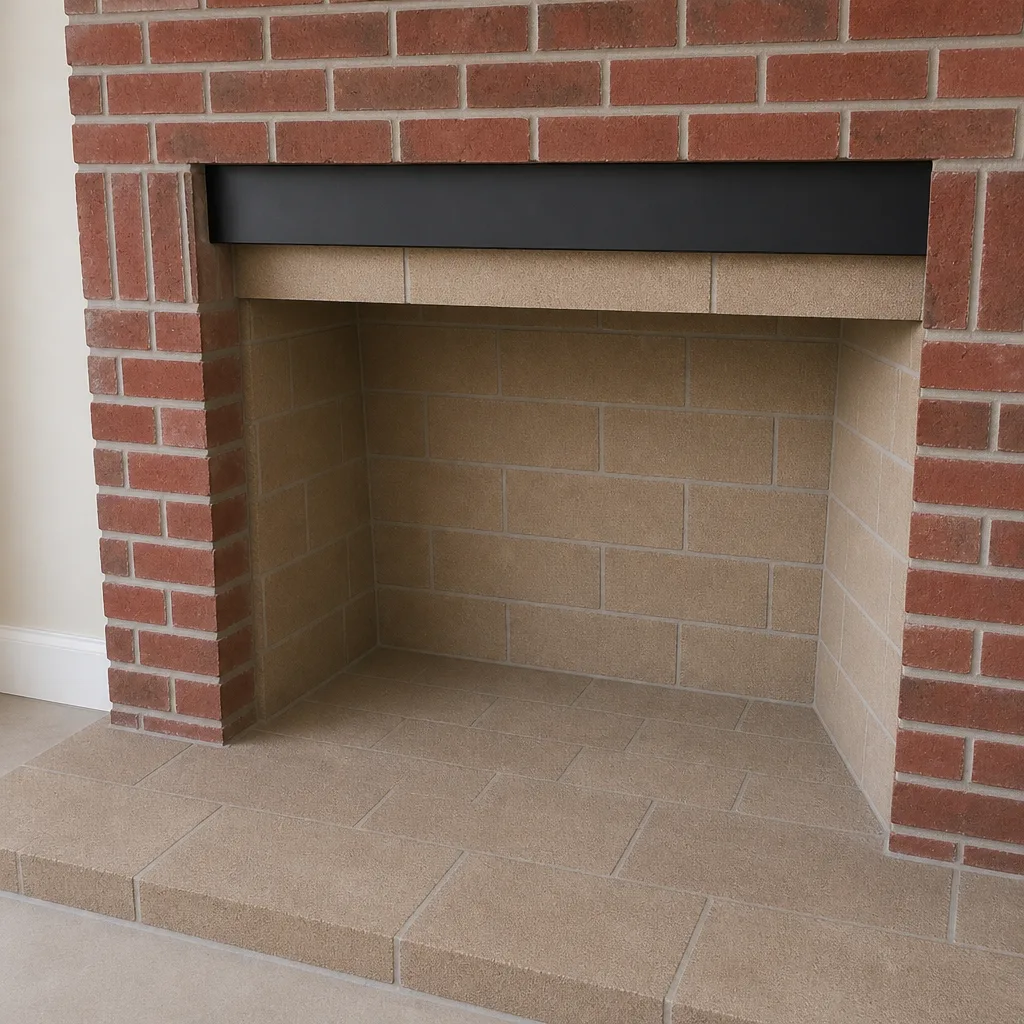
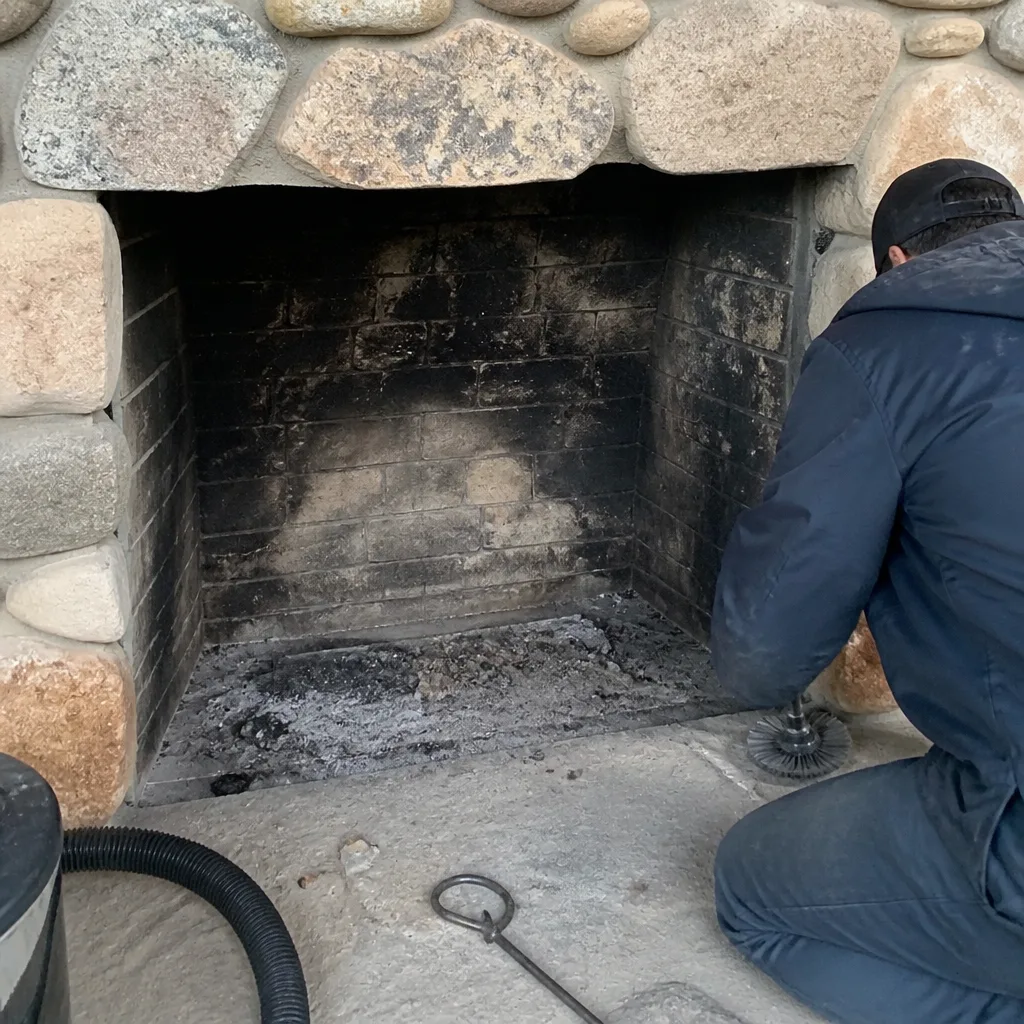
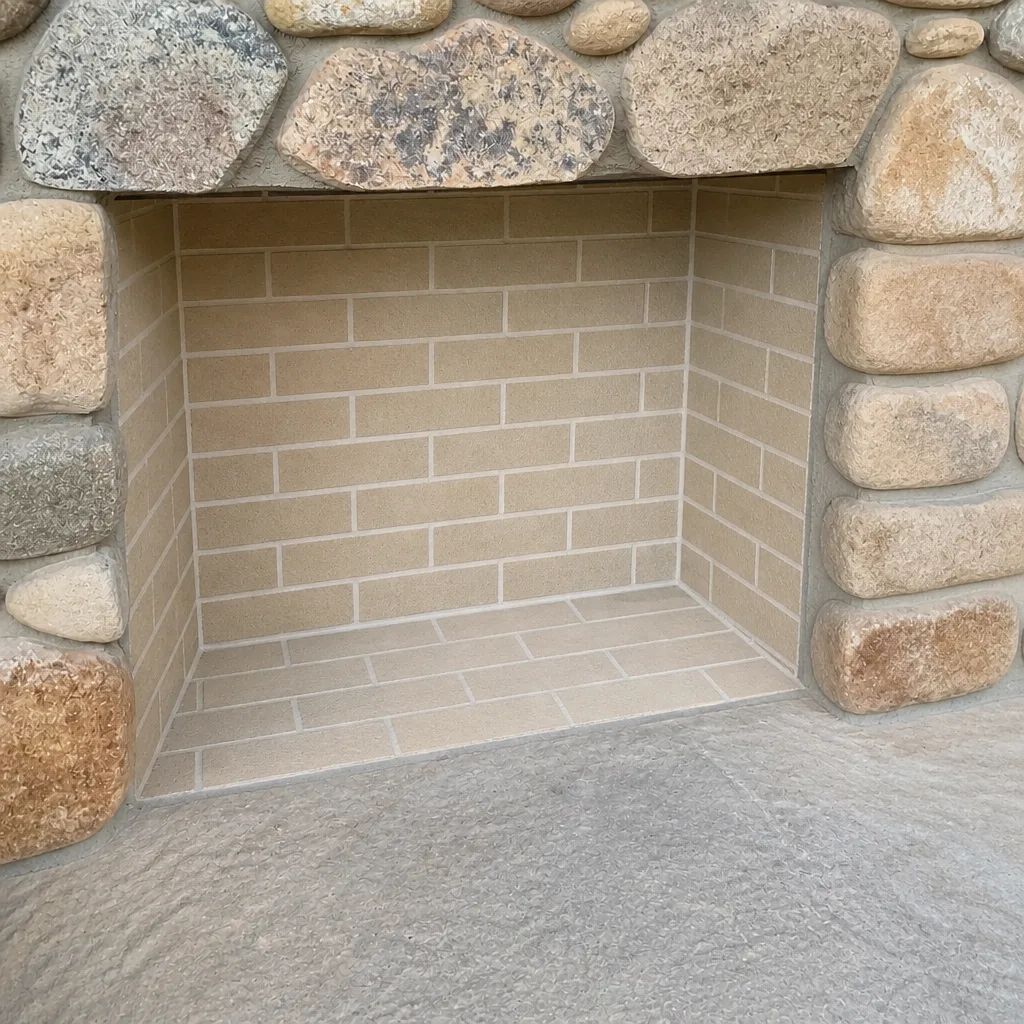
See the difference
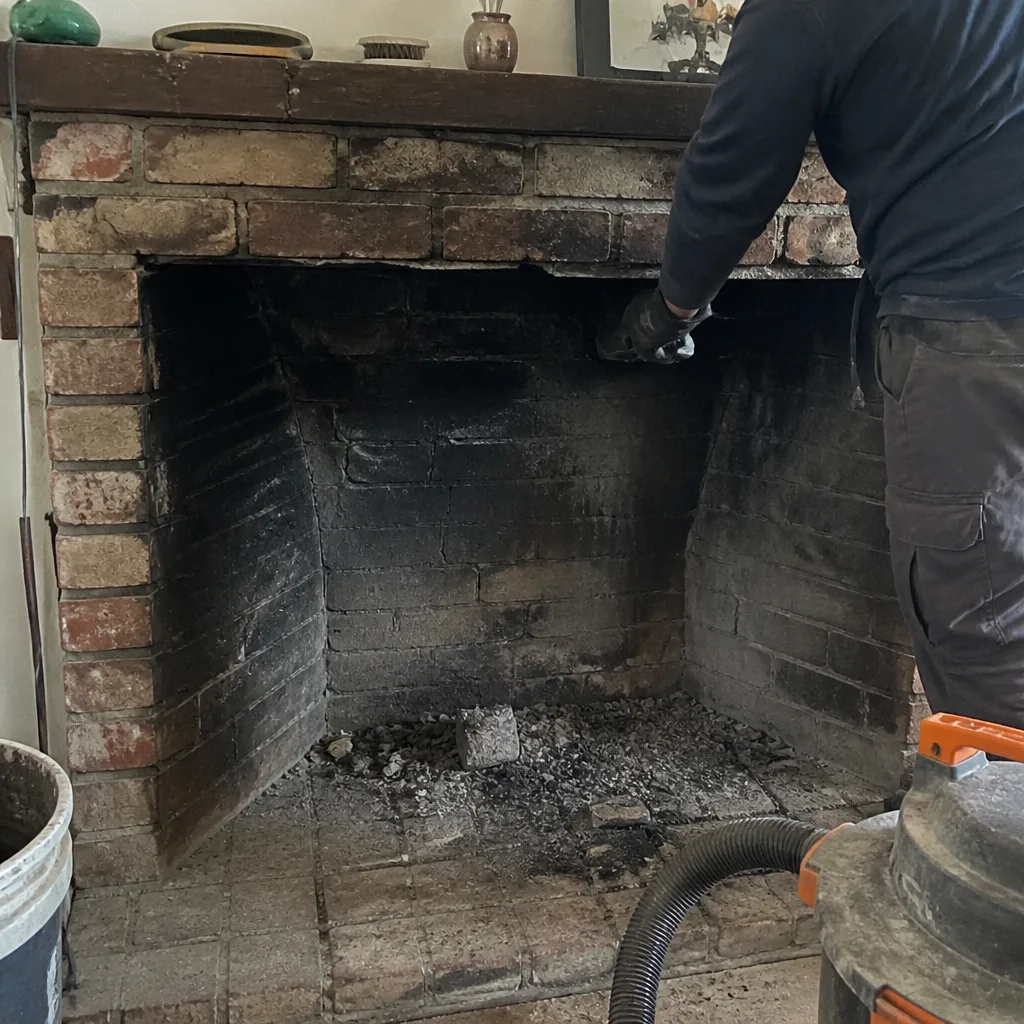 Before
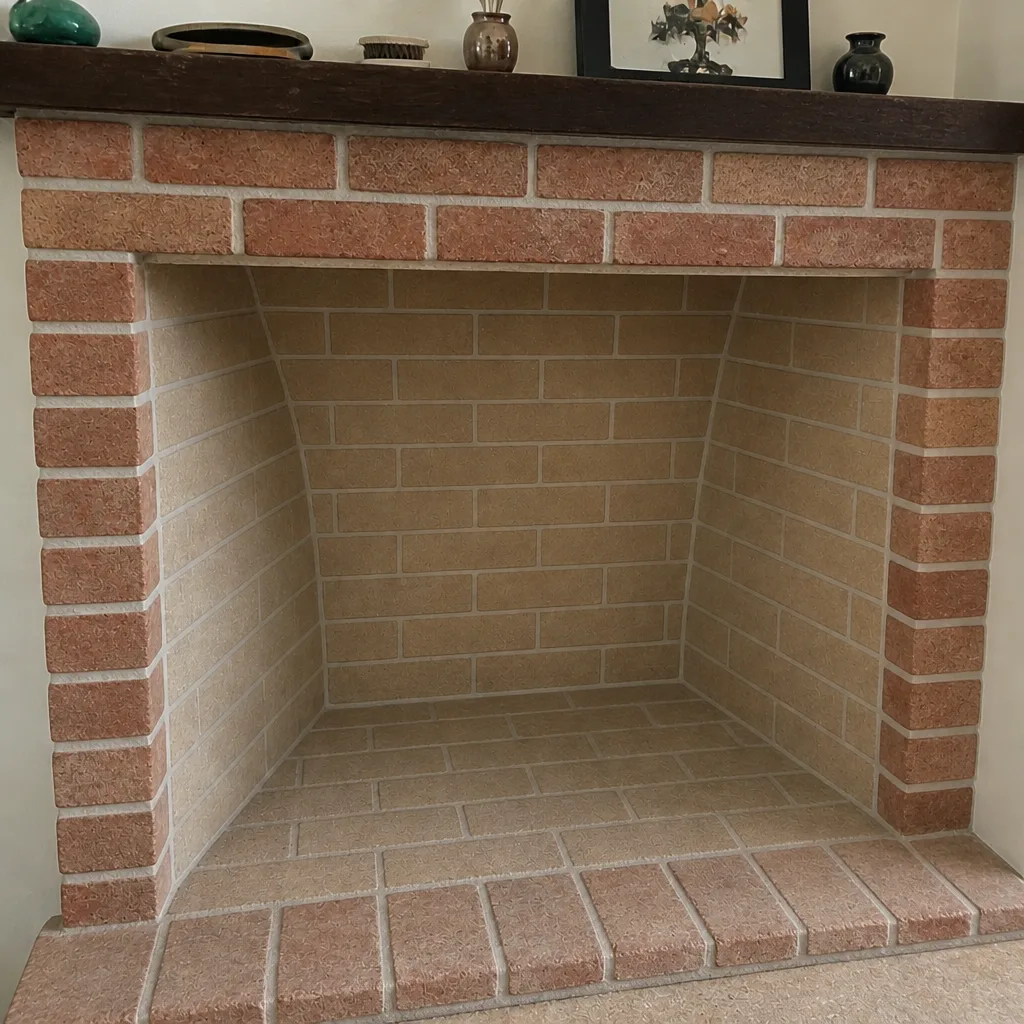 After
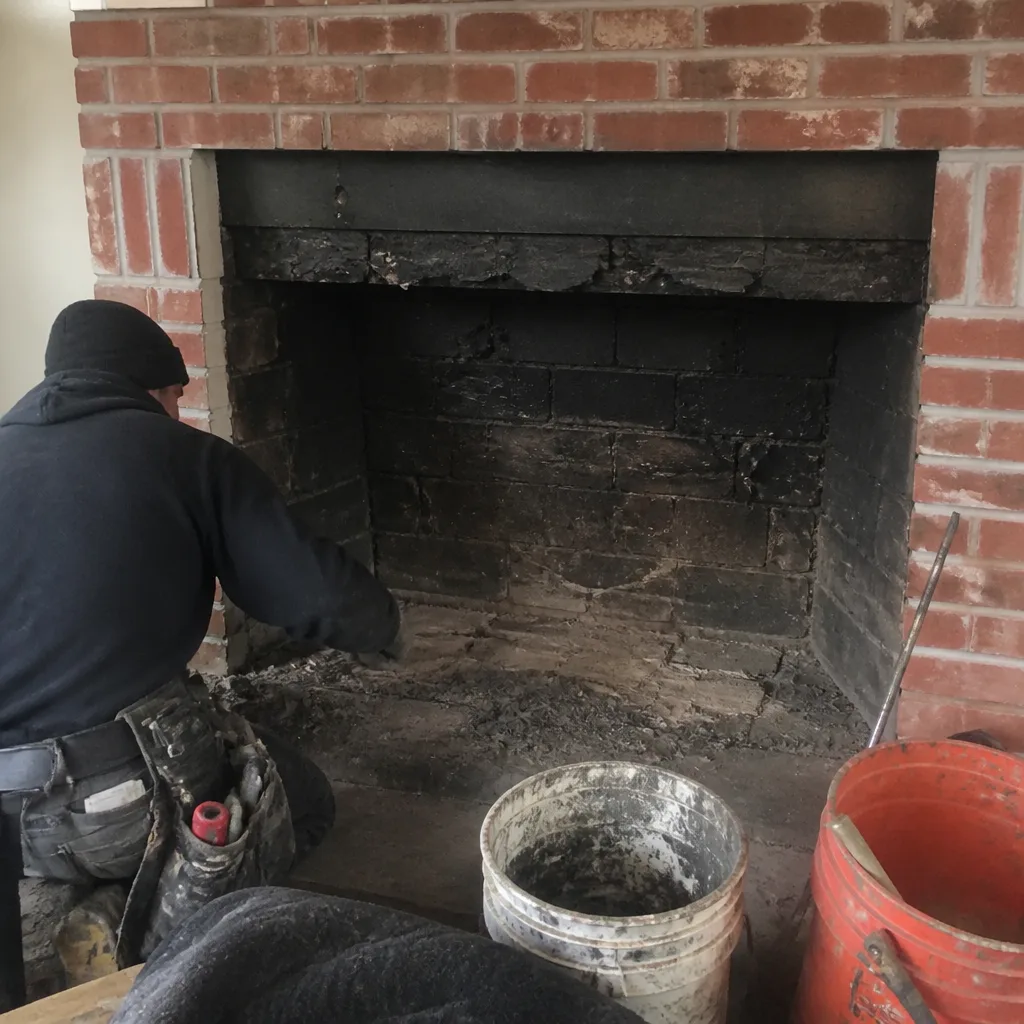 Before
 After
 Before
 After
Frequently Asked Questions
The most common signs we see are a smoky, tarry smell that gets stronger on warm days, soot dust around the firebox opening, and light efflorescence or hairline cracks on the chimney exterior. Spalling, visible gaps, and smoke rollout are less common but far more urgent.
Creosote smells sharp, tarry, and slightly acrid, and it’s strongest when the fireplace is cold. If the smell has grown stronger over a season or you also see soot darkening near the damper, it’s time to book a sweep. A faint smell that fades is a sign to watch, not to act on immediately.
Light white streaks alone are a sign to schedule a service, not to stop using the fireplace. Stop using it if the staining is heavy and recurring, or if it appears alongside a damp smell, a smoking fire, or a visible gap in the firebox. An inspection settles which it is.
For a wood-burning fireplace in regular use, an annual sweep and inspection is the standard. Less frequent heavy use can sometimes stretch that timeline, but if you burn regularly through the winter, an annual check keeps you ahead of the buildup that causes the smells and symptoms above.
Sometimes, yes. When the liner damage is surface-level or moderate, ceramic flue resurfacing with HeatShield can restore the flue interior without the cost of a full liner replacement. When the flue is badly deteriorated, a flexible liner using DuraFlex is the more appropriate repair, but only after the technician has inspected the flue and shown you the condition.
Skipping it means the small signs get less small. A crack in the crown lets water in all season, spalling progresses, and creosote thickens inside the flue. The risk that matters is chimney fire and carbon monoxide getting into the house, and both are preventable with a sweep and inspection. Call (833) 725-4278 for an exact quote – estimates are free.
The Bottom Line
The point of a warning-sign guide is not to make you diagnose your own chimney. It’s to give you enough vocabulary to describe what you’re noticing and to know when it’s urgent. Smells split into four useful categories: creosote, pyrolysis, animal, and moisture. Interior marks at the firebox tell you about liner condition before the exterior shows anything. Draft problems need diagnosis to tell cleaning issues from structural ones. And the crown, cap, and exterior staining are the earliest warnings a homeowner can spot without climbing on the roof. When in doubt, an inspection is the answer, and it’s the one step that turns “I’m not sure” into “I know what to do next.” Call (833) 725-4278. We answer 24/7.
Written by the team at Chimney Sweep Venice.