
Last updated November 22, 2026
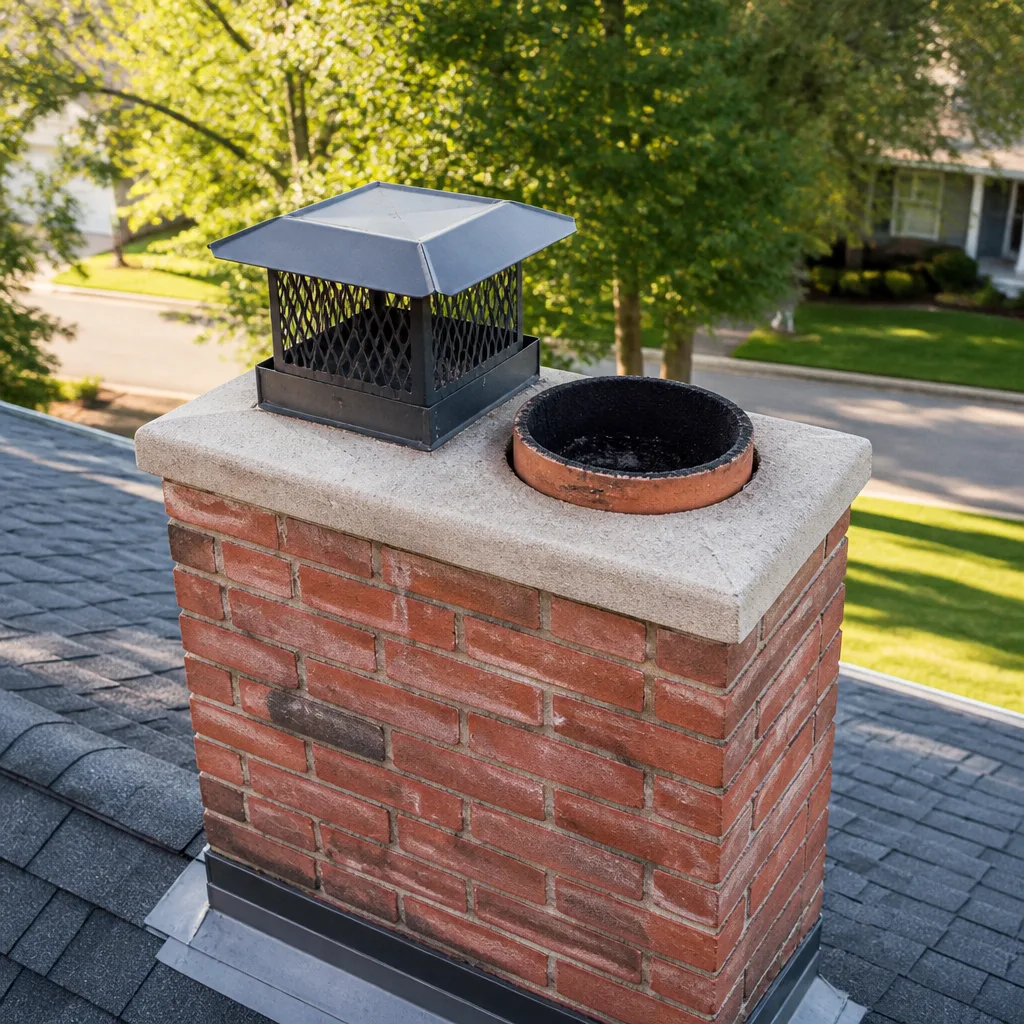 Sweep & inspection
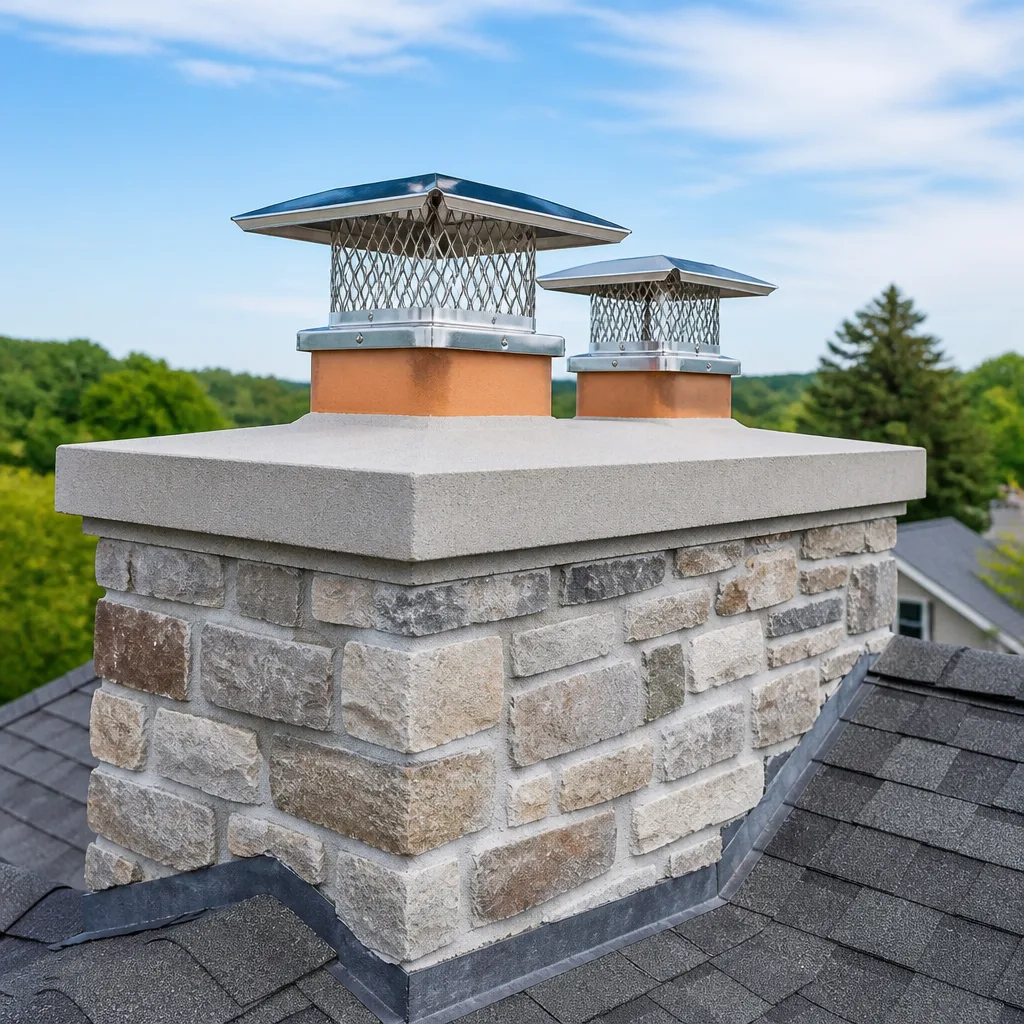 Caps & crowns
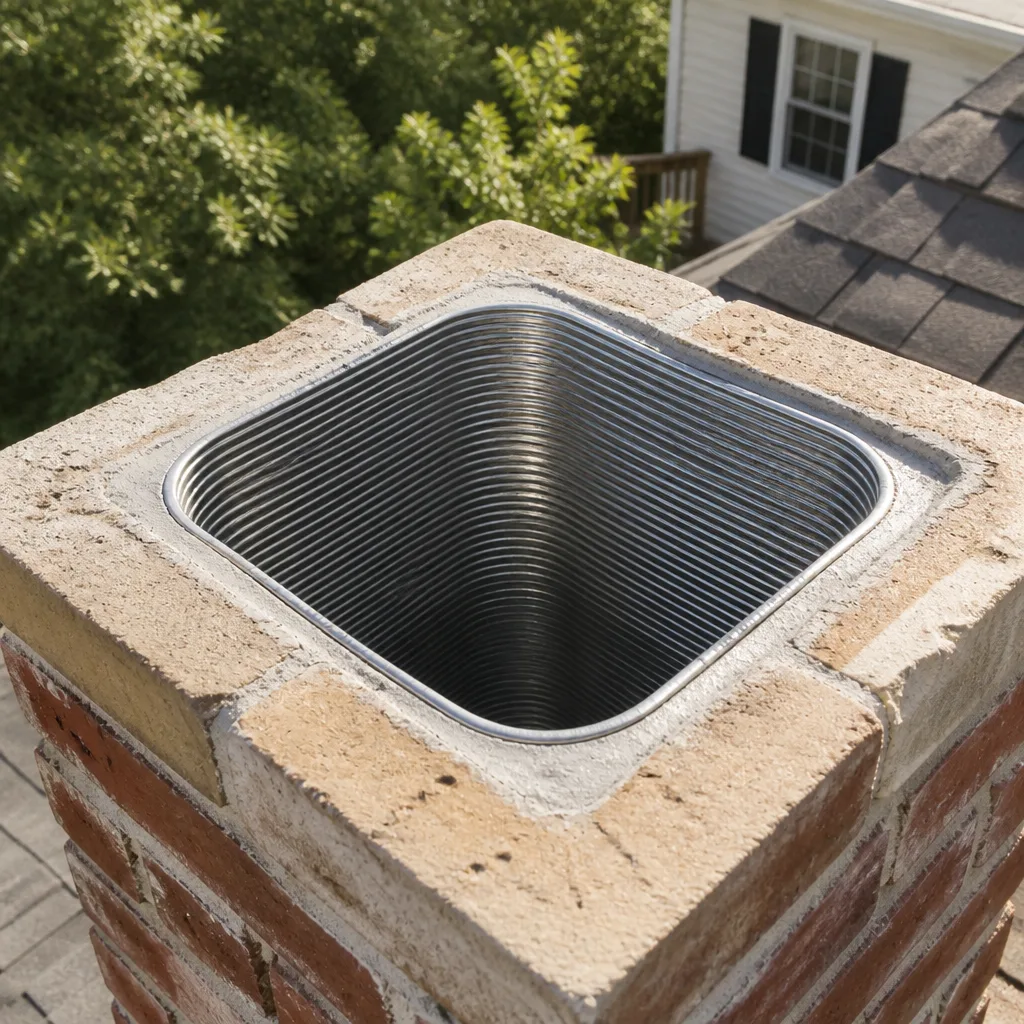 Flue relining
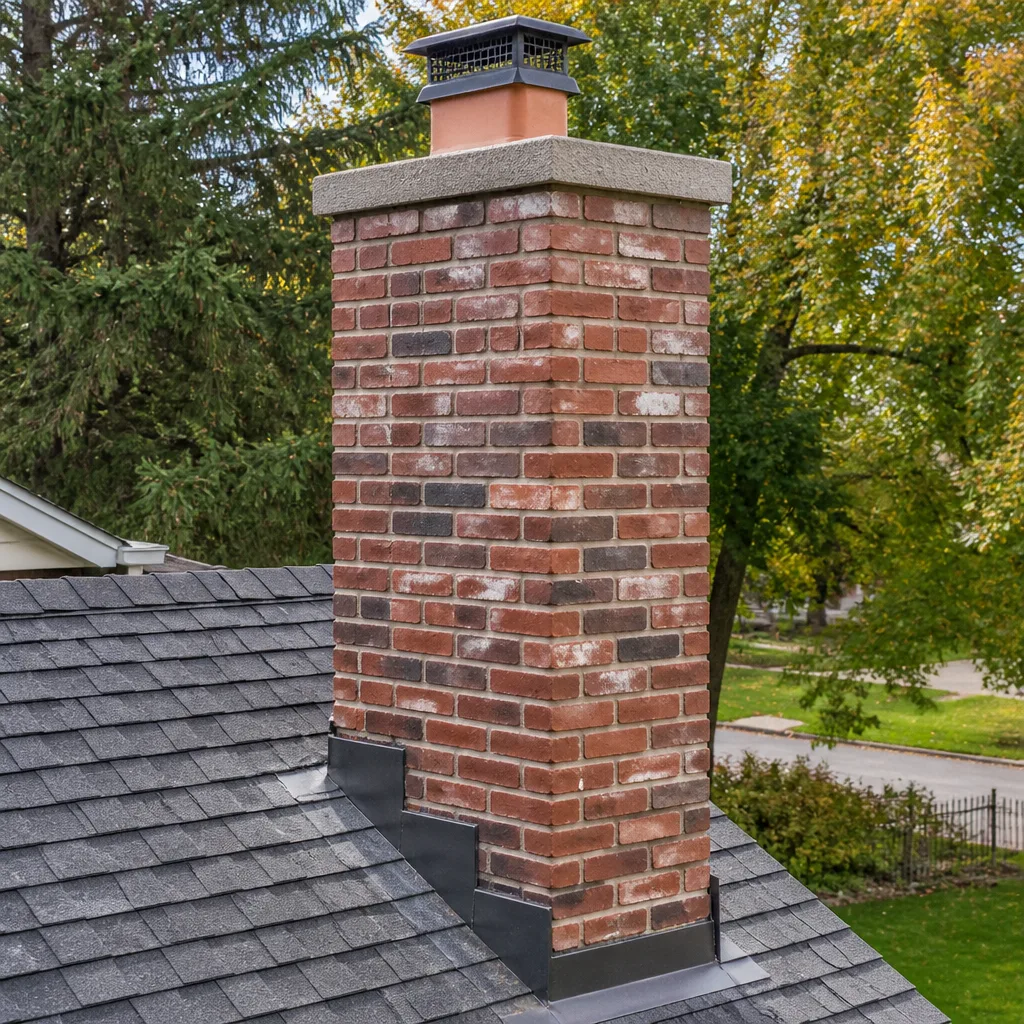 Masonry repair
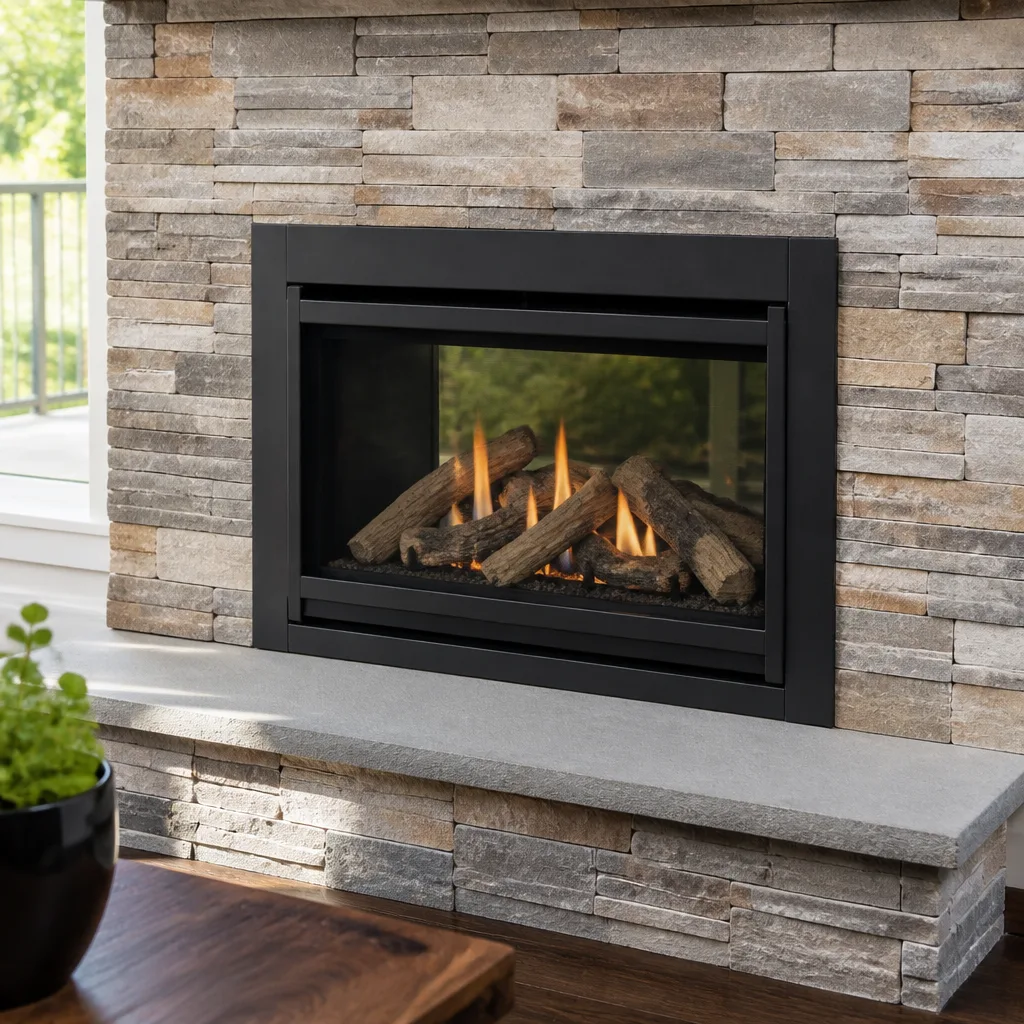 Gas fireplace service
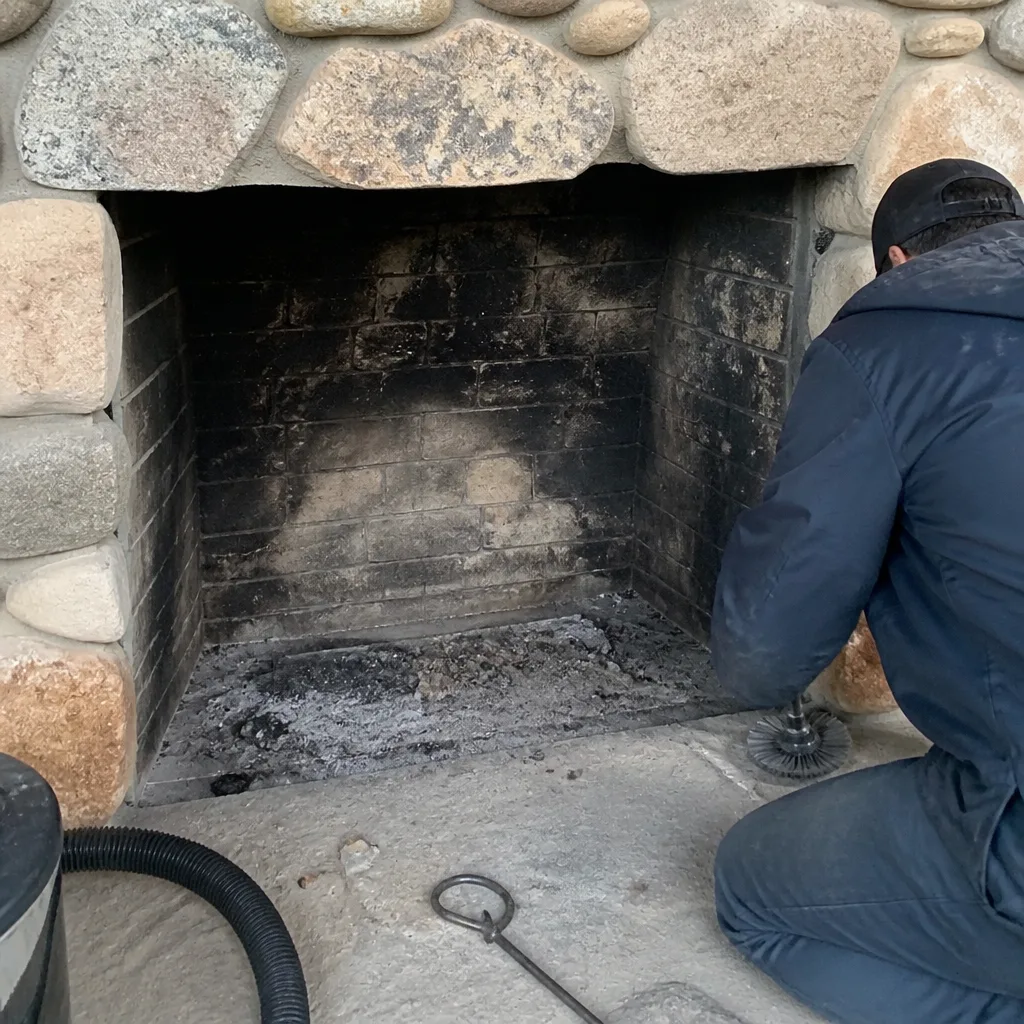
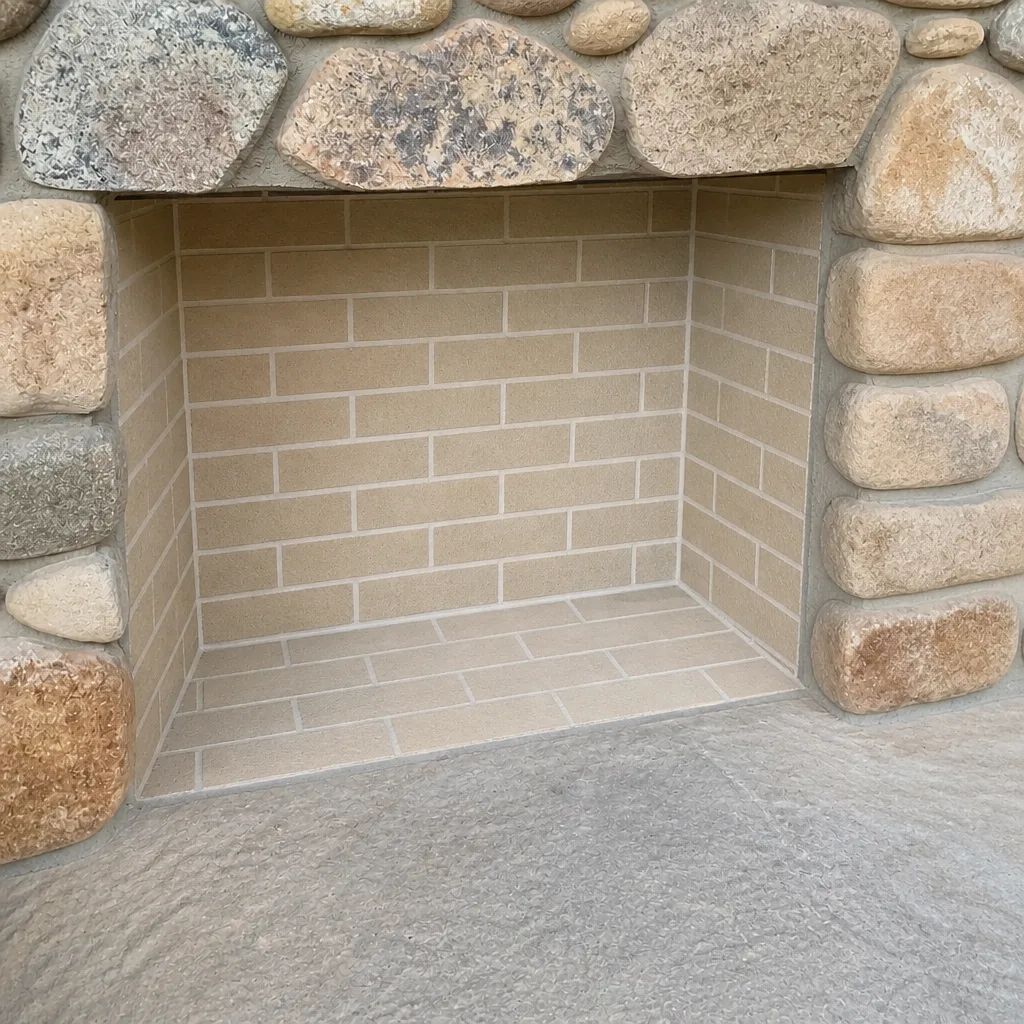
Level 1 sweep and inspection to the NFPA 211 annual standard - flue, crown, cap, and flashing checked and photographed
Chimney sweep logs do not sweep chimneys. They loosen some creosote - which then falls where a brush and vacuum still have to collect it.
DIY vs Professional Chimney Cleaning: The Venice Homeowner’s Decision Guide
The chimney brush kit will remove loose soot. What it cannot do is tell you whether the flue tile it just scraped has a hairline fracture running through it, and in a Venice home where the liner may be original clay tile from the 1920s, that distinction is the entire reason the cleaning matters. Most homeowners assume a sweep is about appearance and smell. It’s really about finding the weak point in a structure that carries 1,000-degree exhaust out of your living room. This guide lays out exactly what you can handle yourself, what genuinely requires professional equipment, and where the math of time, mess, and risk tips in each direction for a Venice house specifically.
Quick Answer
DIY chimney cleaning is reasonable in one narrow case: a lightly used fireplace with a sound, modern liner where you only need to clear the firebox and remove a thin layer of soot. For most Venice homes, especially those built before 1980 with original clay tile liners and lime-based mortar, professional cleaning is the right call because the brush alone can’t verify liner integrity, and aggressive brushing on brittle vintage tile can cause damage that costs far more than the sweep. Professional cleaning in Venice typically runs $250-$350 for a standard sweep and inspection, while a DIY brush kit costs $60-$120 and leaves the safety assessment undone.
Styles & brands we work with
- Sweep & inspection
- Caps & crowns
- Flue relining
- Masonry repair
- Gas fireplace service
Table of Contents
- What a Chimney Cleaning Actually Involves
- What You Can Safely Do Yourself in a Venice Home
- What Requires Professional Equipment You Can’t Buy at the Hardware Store
- The Structural Risks Specific to Pre-1980 Venice Homes
- Cost-Benefit Reality Check: DIY Kit vs Professional Sweep
- When DIY Is Clearly the Right Answer
- Two Scenarios Where DIY Creates Liability
- Common Mistakes to Avoid
- When to Call a Professional
What a Chimney Cleaning Actually Involves
A chimney sweep is not a single action. It’s a sequence of assessments, each one determining whether the next step is safe to perform. When a technician arrives at a Venice home, the visit follows roughly this order:
- Inspect the firebox and damper for debris, animal nests, and prior damage.
- Check the smoke chamber and smoke shelf for creosote glazing and soot buildup.
- Run a video inspection of the flue to check for cracks, gaps, and offset tile joints.
- Brush or rotary-clean the flue, matching the method to the creosote stage found.
- Re-inspect after cleaning to confirm the liner is intact and the flue is clear.
- Clear the cap screen, check the crown, and note any exterior issues from the roofline.
That third step is the one homeowners most often overlook when deciding whether to do it themselves. Cleaning without seeing is like mopping a floor in the dark. You might get the soot off, but you have no idea what condition the flue was in before or after. In Venice, where neighborhoods like Oakwood, Abbot Kinney, and the walk streets carry a lot of 1910s-1930s housing stock, that pre-cleaning inspection is where most of the real information lives.
Professional technicians at Chimney Sweep Venice treat the sweep as the foundation of a safe fireplace, not the whole story. The brush removes the buildup; the inspection tells you whether the flue that held the fire is still sound. One without the other leaves half the question unanswered.
What You Can Safely Do Yourself in a Venice Home
Some chimney maintenance is genuinely within reach for a careful homeowner, as long as it’s limited to the zones you can see and reach without climbing. Here’s what’s appropriate to handle yourself, and what tools each task requires.
1. Firebox debris removal
Clearing old ash, soot, and leftover wood from the firebox is straightforward. You’ll need a heavy-duty shop vacuum rated for fine ash (a standard household vacuum will clog and can overheat), a stiff-bristled hand brush, and a dust mask rated N95 or better. Wear gloves and move slowly so you don’t kick up a cloud. Empty the ash into a metal container with a lid, and store it outside the house for a few days before disposal, since embers can stay hot much longer than people expect.
2. Cap screen clearing
If you can safely reach your cap from a stable ladder or through a window roofline, clearing leaves and twigs from the spark screen is a reasonable seasonal task. In Venice, ficus and eucalyptus debris is a common contributor to screen blockage. You’ll need a sturdy ladder, a wire brush, gloves, and eye protection. If the roof slope, height, or surface makes you hesitate even slightly, don’t do it yourself. Roof falls are the most serious risk in this category and the one most likely to cause injury, not the chimney itself.
3. Exterior visual inspection
From the ground, you can check for obvious signs: a tilted cap, visible crown cracks, or staining on the chimney’s exterior brick. Binoculars help. If you see mortar crumbling between bricks or water streaks running down the flue, write down what you see and get a professional assessment.
Everything above is surface-level prevention. What follows is the part that requires equipment and expertise you can’t reasonably acquire for a single cleaning.
What Requires Professional Equipment You Can’t Buy at the Hardware Store
There’s a gap between the tools sold to consumers and the tools used in the trade, and that gap is where most DIY decisions should be reconsidered. Four types of work fall clearly on the professional side.
- Rotary power cleaning for Stage 2 and Stage 3 creosote. Glazed, tar-like Stage 3 creosote cannot be removed by manual brushing. It has to be broken down with rotating whip heads or chains on a flexible rod. Duct-taped brush additions aren’t safe substitutes.
- Video inspection for liner integrity. Camera-equipped flue inspection gives the technician a real view of cracks, missing mortar joints, and gaps in the flue tile that no flashlight can reveal. It’s how a professional knows whether a sweep is safe to perform at all.
- Pressure and draft testing. A fireplace that drafts poorly or smokes into the room may have a flue sizing issue, a negative-pressure problem, or a hidden obstruction. Differential pressure gauges and smoke tests are how that’s diagnosed.
- Certified liner assessment and repair pathways. When a liner has failed, matching the right repair method, whether ceramic resurfacing or full relining with products like DuraFlex, is an expertise built through training and product exposure. HeatShield ceramic resurfacing, for instance, can restore a damaged flue without the cost of full replacement, but only when the damage profile fits what the method was designed for.
In our experience, homeowners who try to solve advanced creosote or liner problems with consumer tools end up either damaging the liner further or concluding the chimney is fine when it isn’t. Either outcome creates more cost than the professional sweep they were avoiding.
The Structural Risks Specific to Pre-1980 Venice Homes
Venice has a housing stock that complicates DIY cleaning in ways a generic tutorial won’t address. Three structural factors matter most.
Original clay tile liner fragility
Many pre-1980 homes in Venice were built with clay tile flue liners that have now seen decades of heating and cooling cycles. These tiles are brittle. Even a properly sized brush, if used with too much force or the wrong diameter, can cause a tile to crack or a joint to separate. Once that happens, exhaust gases can leak into wall cavities or attic spaces, which is a serious carbon monoxide problem that shows up later. A professional uses brush sizes matched to your flue interior and stops when resistance suggests risk.
Lime-based mortar weakness
Older mortar in pre-war chimneys is typically lime-based, softer than the portland-cement mortar used today. Brushing and rotary cleaning dislodge mortar at the tile joints under the wrong conditions. What looks like a successful DIY clean can leave a flue with widened joints that leak. A trained eye knows when to back off and when to plan a HeatShield resurfacing.
Asbestos-era insulation in chase configurations
Chases built or modified in certain eras may contain insulation materials that should never be disturbed by a homeowner. A professional inspecting a chimney identifies those situations before any cleaning begins and handles the work safely.
None of this is a reason to panic. It’s a reason to treat a Venice chimney cleaning as a safety assessment, not just a chore. The team at Chimney Sweep Venice uses DuraFlex liner systems and recognized product lines for exactly this reason: what’s sold at the hardware store isn’t designed for the material conditions of your specific flue.
Cost-Benefit Reality Check: DIY Kit vs Professional Sweep
The cost comparison is real, but it’s not just dollars. Below is how the two paths typically break down for a Venice homeowner.
- DIY brush kit: $60-$120 for a basic brush and rods. Add a shop vacuum and N95 masks if you don’t have them.
- Professional cleaning: Typically $250-$350 for a standard sweep and inspection in the Venice market. Written estimate confirms the final price before any work begins.
- Labor difference: A DIY job on a two-story house with a steep roofline can consume 3-5 hours of climbing, roof access, and cleanup. A professional sweep usually runs 45-90 minutes.
- Mess difference: Professional cleaning uses drop cloths, containment, and HEPA vacuums that keep soot out of the room. DIY soot travels further than most homeowners expect, and it stains upholstery, walls, and carpet.
- Information difference: A professional sweep ends with a documented inspection, including photo evidence you can review. A DIY clean ends with an empty firebox and no answer to the liner question.
Map this against risk. If a DIY cleaning cracks a liner tile on a 1930s house in Venice, the resulting repair can run into the thousands. The $250-$350 sweep is not an expense on top of the safety check; it’s the safety check.
For comparison, here’s where a professional sweep fits in the market against related chimney services:
- Standard chimney sweep and inspection: typically $250-$350
- Chimney cap and crown installation: priced per job by written estimate
- HeatShield ceramic flue resurfacing: priced per job after inspection
- Full liner replacement with DuraFlex: priced per job after inspection
Those last three are estimates, not commitments. The written estimate always sets the final price.
When DIY Is Clearly the Right Answer
There is one honest case for doing it yourself. If all of the following are true, a light DIY pass makes sense:
- Your fireplace sees light, occasional use (roughly a cord of wood or less per year).
- Your liner is verified sound, either by a recent professional inspection or by known-new installation.
- You only need to clear surface soot, ash, and light debris from the firebox and visible flue.
- Your chimney has an accessible, straight run with an approved brush set that matches your flue size.
Even then, treat it as interim maintenance between annual professional check-ups, not a replacement for them. The homeowner who does a light brush-out every few months and books a professional sweep once a year is doing exactly the right thing.
Related guide: chimney sweep basics, including how often to schedule based on use.
Two Scenarios Where DIY Creates Liability
Scenario one: hidden liner damage cleaned but missed
A homeowner in a pre-war Venice house brushes the flue on a home they’ve owned for a decade. The brush passes smoothly, and everything looks fine. What brushing cannot detect is a hairline crack at a tile joint that formed during the last heating season. The next fire pushes smoke through that crack into a chase, and nobody notices until someone in the house gets headaches or a CO alarm sounds. The damage was there before the cleaning; the cleaning gave everyone false confidence it wasn’t.
Scenario two: aggressive cleaning on brittle tile
A homeowner buys a stiffer brush than the liner requires, works a stubborn creosote patch by hand, and dislodges a tile joint. In a chimney with lime-based mortar, this is easier to do than it sounds. The repair pathway, whether ceramic resurfacing or full relining with a DuraFlex system, ends up costing more than the professional sweep that would have caught the condition first and used a method matched to the liner. That’s a preventable liability. The professional route isn’t just about labor; it’s about knowing what not to do to a specific flue.
If you’re weighing repair options, review the fireplace repair guide before making a decision.
Common Mistakes to Avoid
- Buying a brush without measuring the flue. A brush that’s too large binds and cracks tile; one that’s too small doesn’t clean. Measure first, then match the brush size to your flue interior.
- Using a shop vac graded for wet pickup on soot. Soot is a fine dust; the wrong vacuum clogs, overheats, and can throw the exhaust back into the room. Use one rated for fine-particulate ash.
- Assuming clean means safe. A chimney can be spotless inside and still have a cracked crown letting water into the flue structure. Cleaning and inspection are two different jobs.
- Skipping the roof cap check. In Venice, leaves, twigs, and birds find their way into uncapped or damaged screens regularly. A simple cap screen clearing once a season prevents most blockages.
- Cleaning on windy days without containment. Soot and creosote dust drift farther than most homeowners expect and stain the room, the patio, and anything nearby. Clear weather with light wind is the right window.
- Ignoring creosote stage signs from inside. If your fires smoke, smell heavy, or you see shiny black glaze inside the firebox, that’s Stage 2 or 3 creosote. A brush won’t resolve it.
- Waiting for a problem to sweep. Annual inspection is the preventive method; a blocked flue is the emergency. Book the chimney cap & crown check at the same time so both ends of the chimney get attention.
When to Call a Professional
Call a professional when any of the following is true: you smell strong smoke in the room when the fireplace is not in use, your fire smokes back into the room, you see glazed creosote inside the firebox, your liner is original clay tile from before 1980, your cap or crown is visibly damaged, or you’ve never had the chimney inspected. Also call if you don’t know how much wood the previous owner burned – you can’t estimate creosote buildup from appearance alone. Chimney Sweep Venice offers free estimates in Venice; call (833) 725-4278. We answer 24/7, and fast dispatch from 7am to 7pm runs Sunday through Friday.
We can work with your insurer when damage is documented and repairable, and the local pro performing the work is licensed and insured as the state requires. Our technicians have up to 13 years of experience, and inspection is available as a standalone service if you only want the safety assessment without any repair work attached.
See the difference
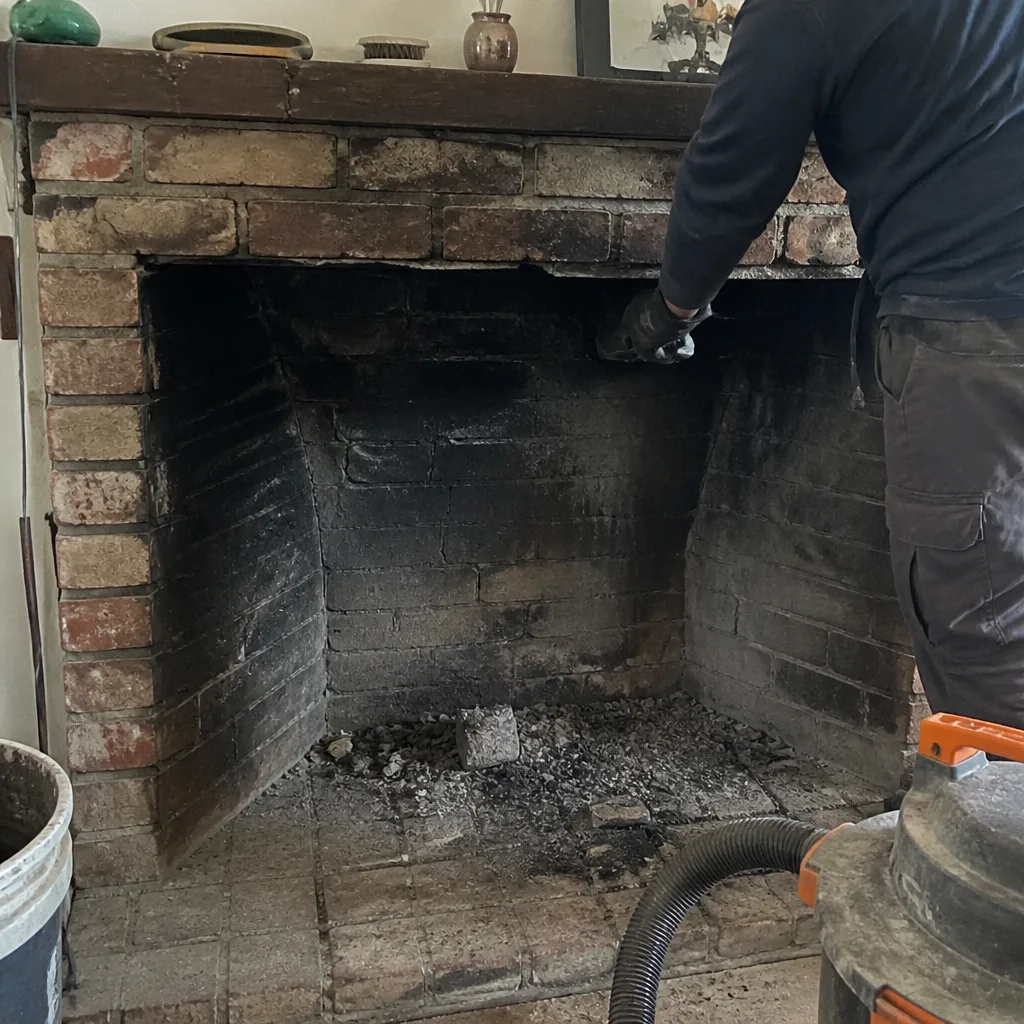 Before
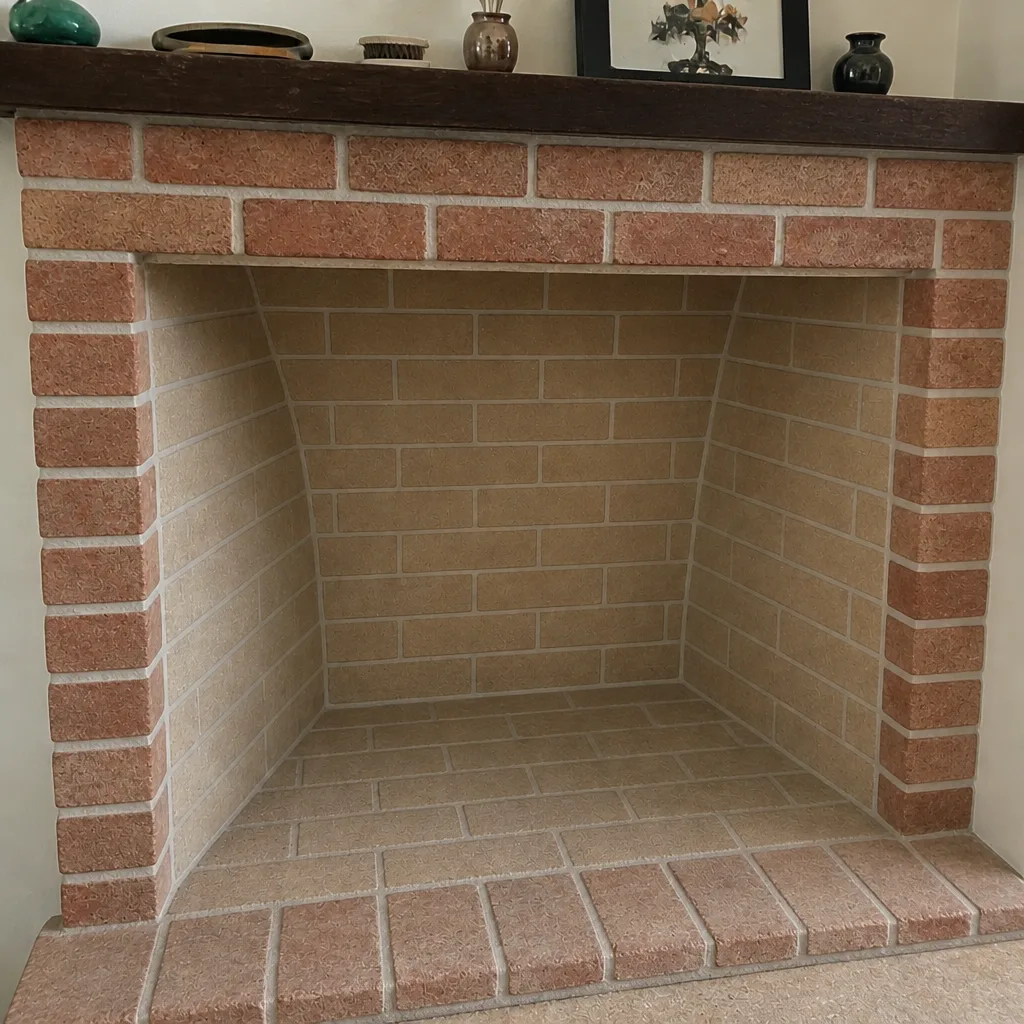 After
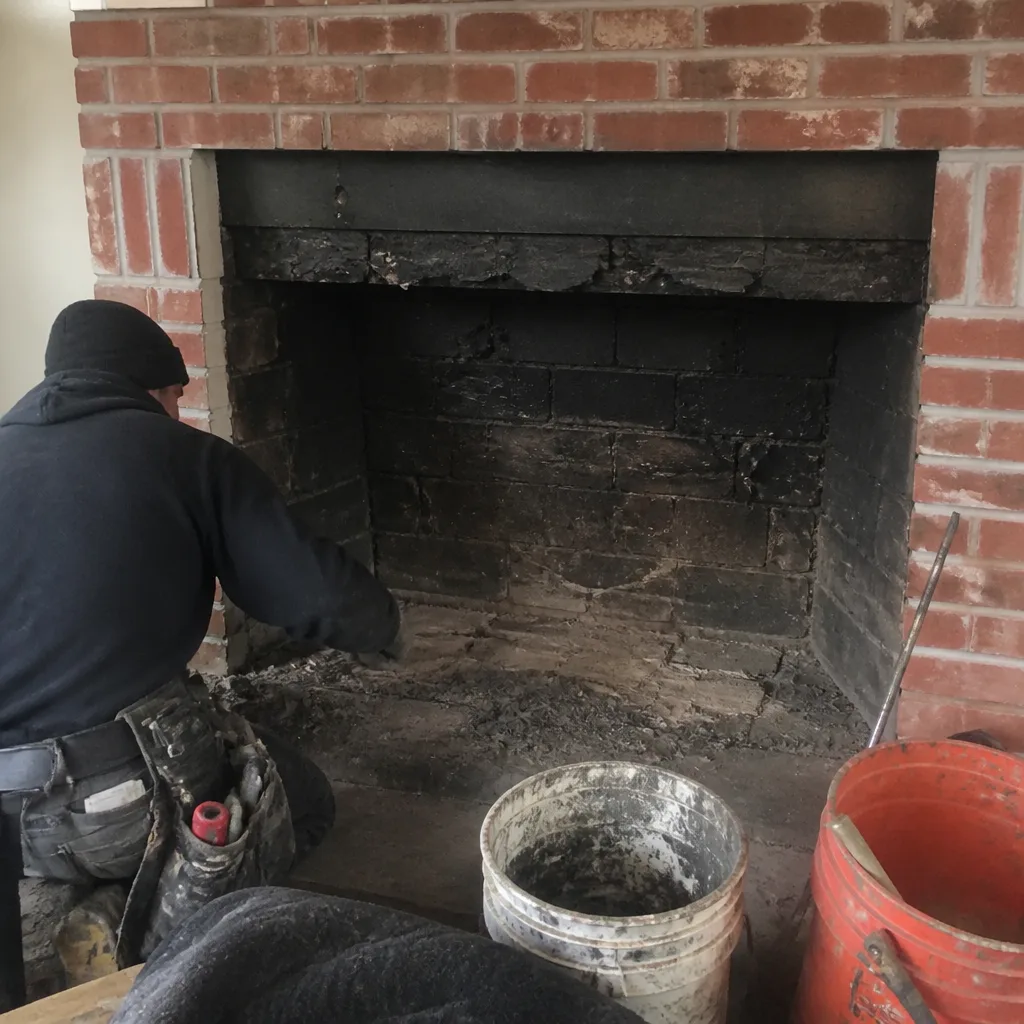 Before
 After
 Before
 After
Frequently Asked Questions
A standard chimney sweep and inspection in the Venice market typically runs $250-$350, priced per job by written estimate. That includes the cleaning, a visual and video inspection, and photo documentation of what was found. Call (833) 725-4278 for an exact quote – estimates are free.
Only if the liner is verified sound, your use is light, and you’re doing basic surface cleaning between annual professional check-ups. On pre-1980 homes with original clay tile liners and lime-based mortar, a DIY brush pass risks cracking tiles or dislodging joints in ways you can’t see afterward. In those cases, professional cleaning is the safer call.
Once per year if you burn wood regularly, or once every two years if use is light. If you burn a full cord or more per season, or notice strong smoke or creosote glaze, schedule more often. Call (833) 725-4278 to book a sweep in Venice.
Creosote accumulates with each fire. Left unchecked, it reaches a stage where it can ignite, and a flue fire inside a deteriorated liner can spread beyond the chimney. Skipping a cleaning also means skipping the inspection that would have caught a cracked liner or a failed crown. Call (833) 725-4278 to schedule the next sweep.
Not every failed liner needs replacement. When the damage pattern fits, HeatShield ceramic resurfacing can restore the flue interior without the cost of a full relining. When the flue is too damaged, a DuraFlex liner system is the industry-standard replacement. The inspection determines which is appropriate; nothing gets recommended without camera evidence you can review yourself.
Yes. Inspection is available as a standalone service. That’s the right choice if you want a professional safety assessment before deciding on any next steps. Call (833) 725-4278 to book the inspection, and you’ll get the findings without any repair work pushed onto the visit.
The Bottom Line
DIY chimney cleaning isn’t inherently irresponsible. It’s conditionally appropriate for a light-use, verified-sound flue. In Venice homes built before 1980 with original clay tile liners and lime-based mortar, the risk-to-reward equation changes because a brush can’t verify what it just cleaned, and it can damage what it can’t see. A $250-$350 professional sweep with inspection documents the condition of your flue, uses methods matched to the liner, and returns photo evidence. That’s the difference between a clean chimney and a known-safe chimney. Annual cleaning and inspection remain the cheapest insurance any fireplace owner can buy, and we’re here when you need us.
Call (833) 725-4278 for your free estimate. We answer 24/7. Fast dispatch from 7am to 7pm, Sunday through Friday. From annual sweep to full chimney repair, one specialist, complete care.
Written by the team at Chimney Sweep Venice.